
Konya Prayer Rug: What It Is, How to Spot a Good One and How to Use It
Quick answer: A Konya prayer rug is a small hand-knotted wool rug woven in Konya province, central Anatolia, with a mihrab (prayer arch) at one end. Most are 2.5 x 4 to 4 x 6 ft (76 x 120 to 120 x 180 cm), with bold geometric designs, warm reds and blues, and natural wool pile. Check the back for knots, even wear and clean edges.
What is a Konya prayer rug?
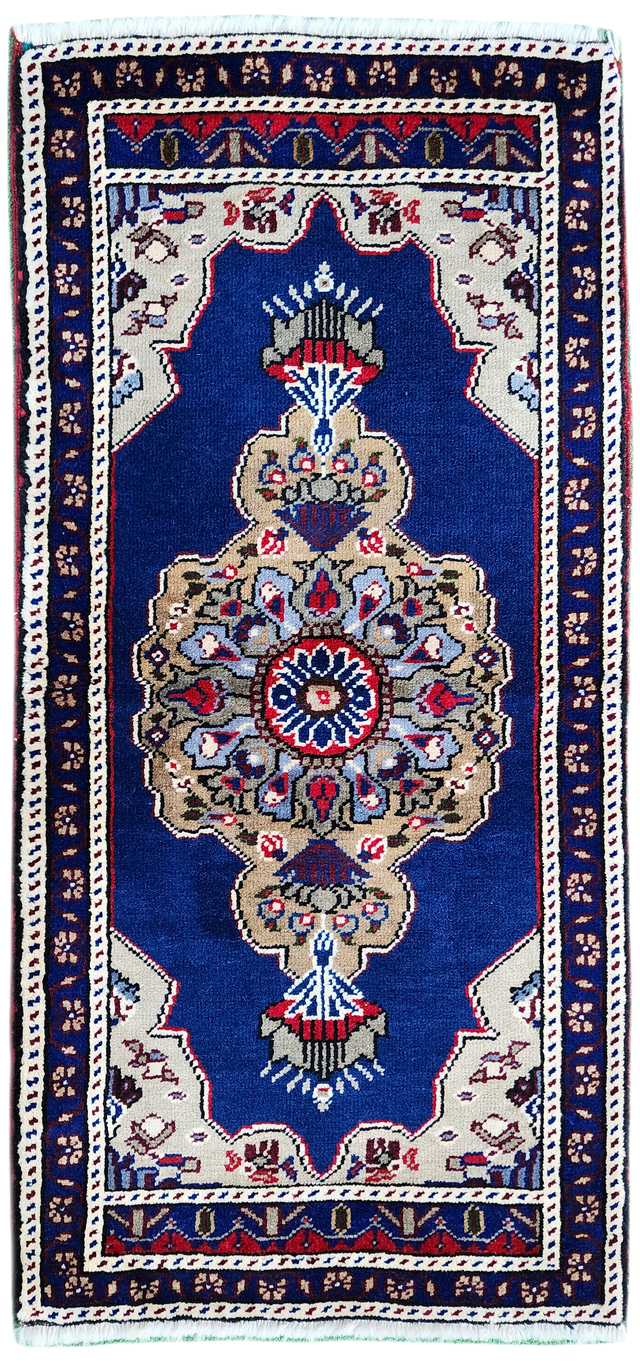
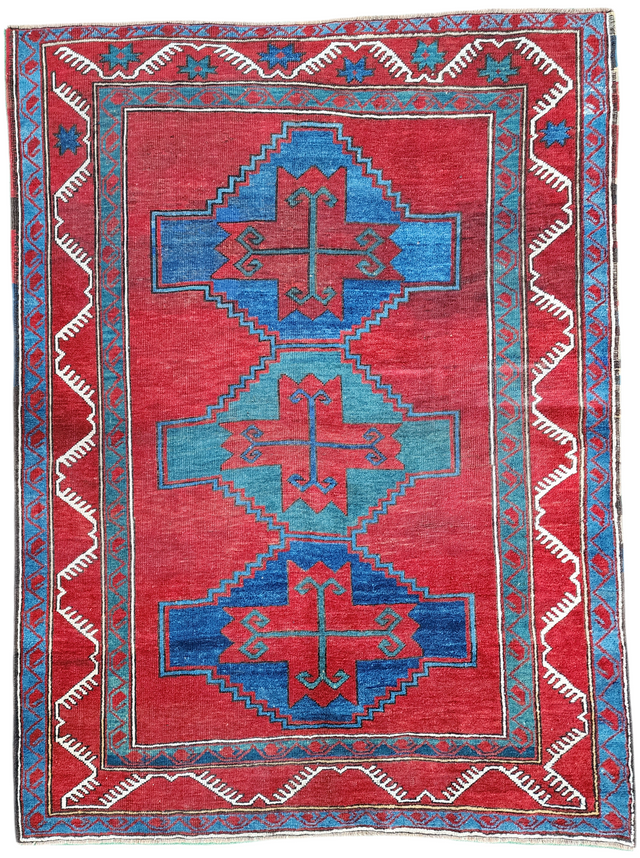
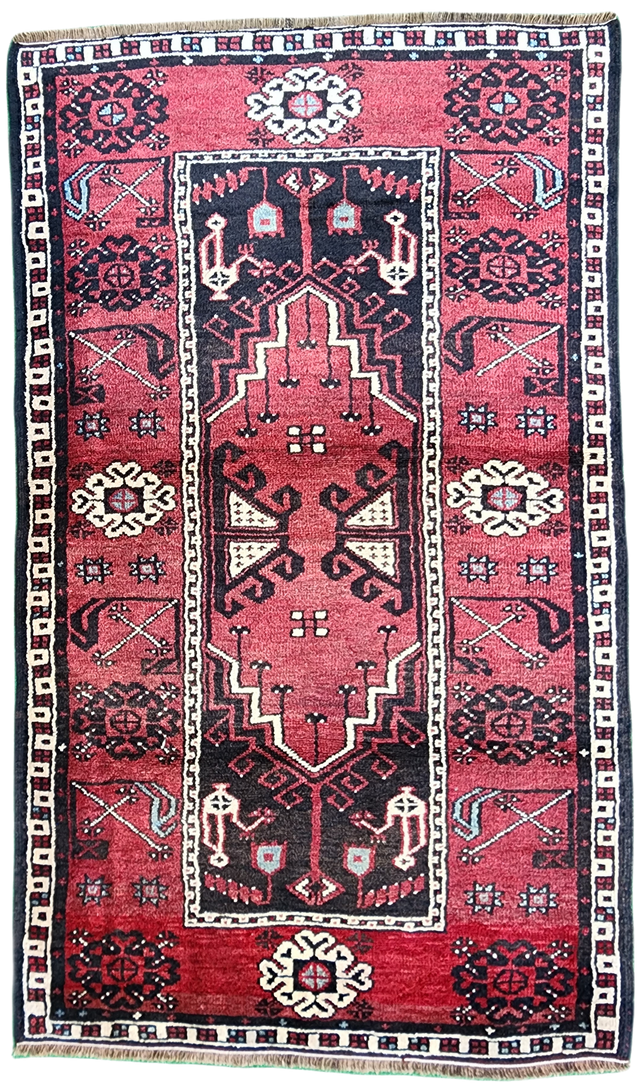
A prayer rug (seccade in Turkish) is a small rug made to kneel on during Muslim prayer. A Konya prayer rug is one woven in Konya province, or in the villages around it on the central Anatolian plateau, and it follows the same basic plan as every prayer rug: a field with a pointed or stepped arch, the mihrab, at one end. That arch is the part that matters. When it is set toward the direction of prayer, the rug does its job.
Konya weavers have worked in wool for generations, and the town sits at the centre of a region known for sturdy, honest rugs and kilims. Prayer rugs from the area tend to be small, usually between 2.5 and 4 feet wide, so one person can pray on them and a household can carry them from room to room.
We handle many of these pieces at our gallery in Sultanahmet, Istanbul. Each one is vintage or antique, handmade in Anatolia, and one of a kind. What follows is what we look at when we judge one, and how to choose and use it.
What does a Konya prayer rug look like?
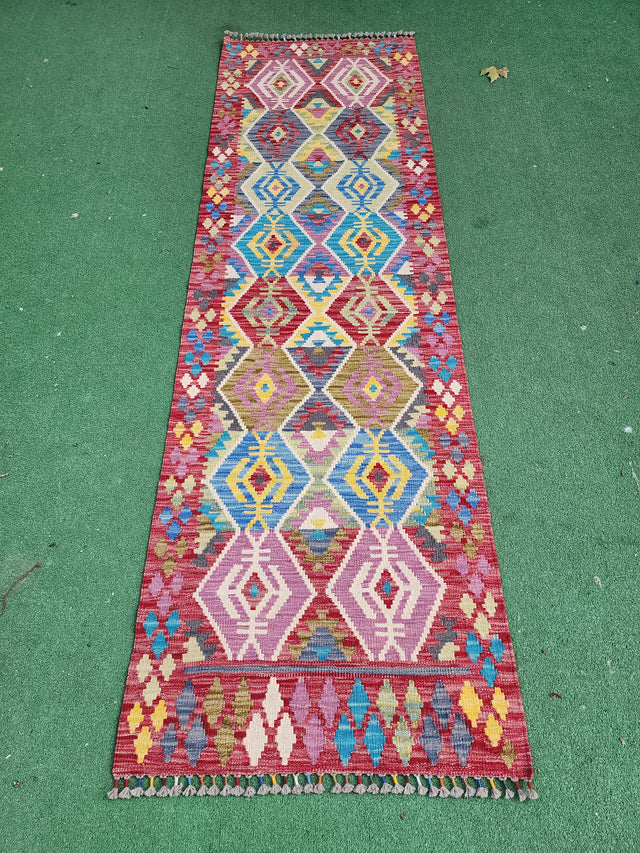
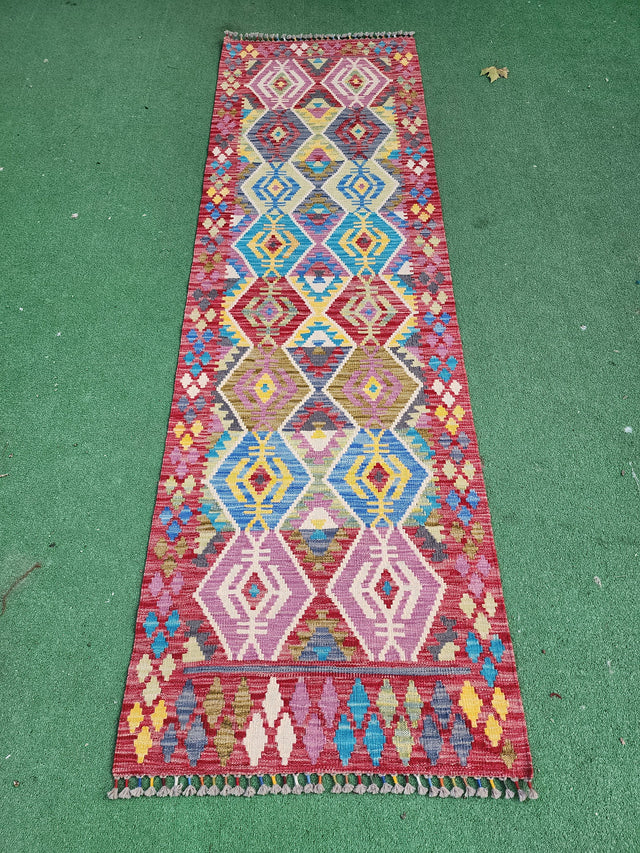
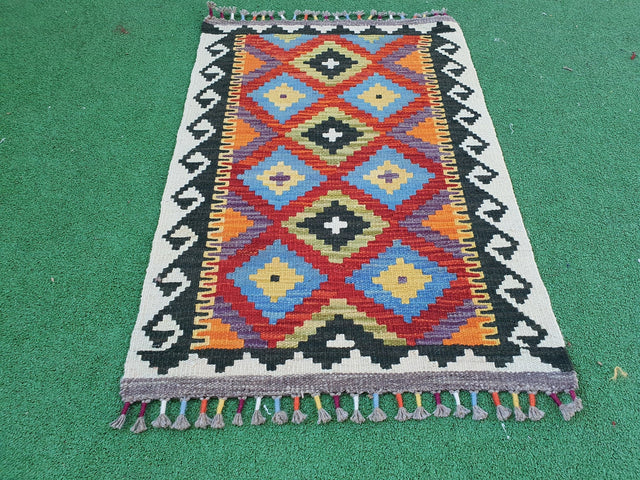
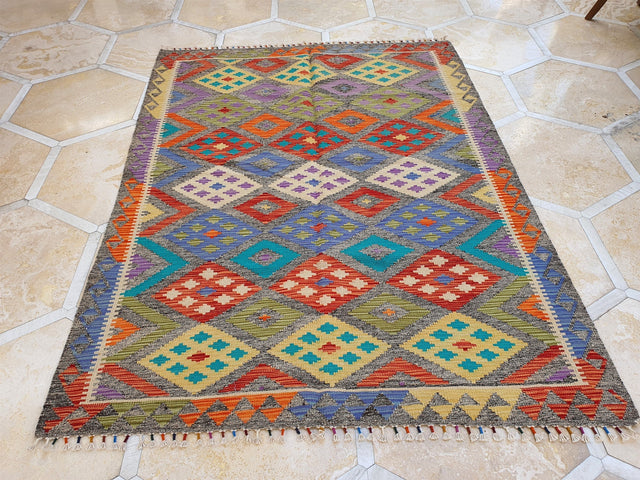
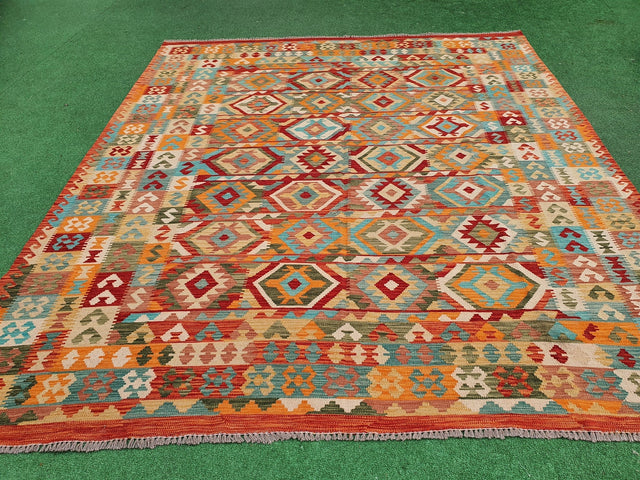
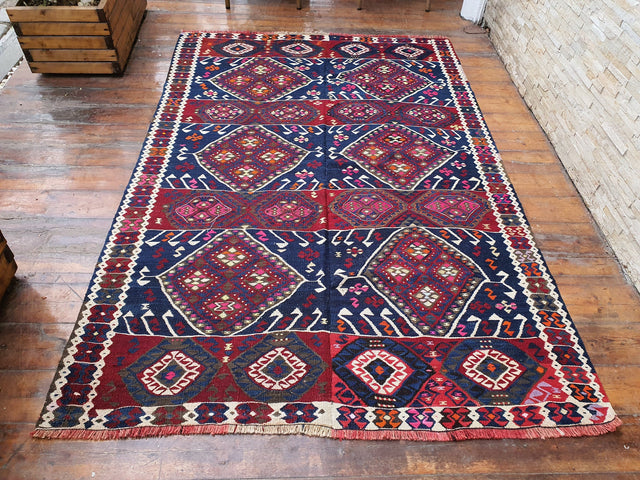
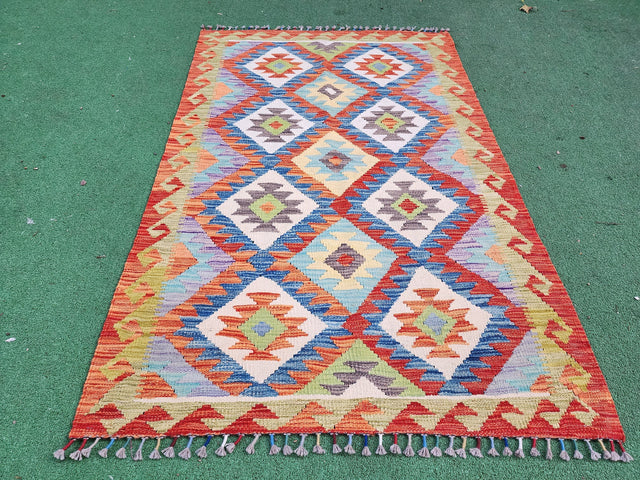
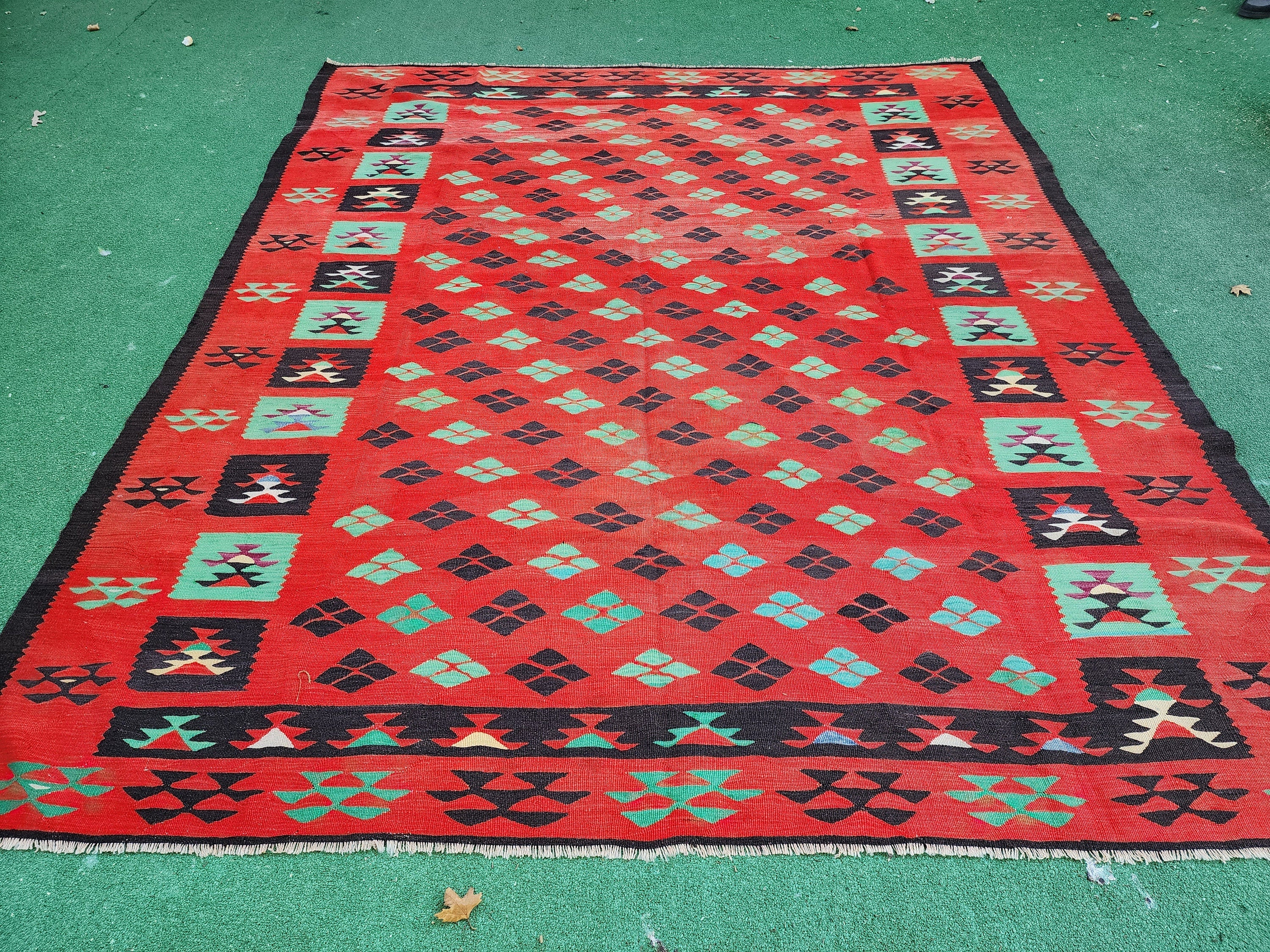
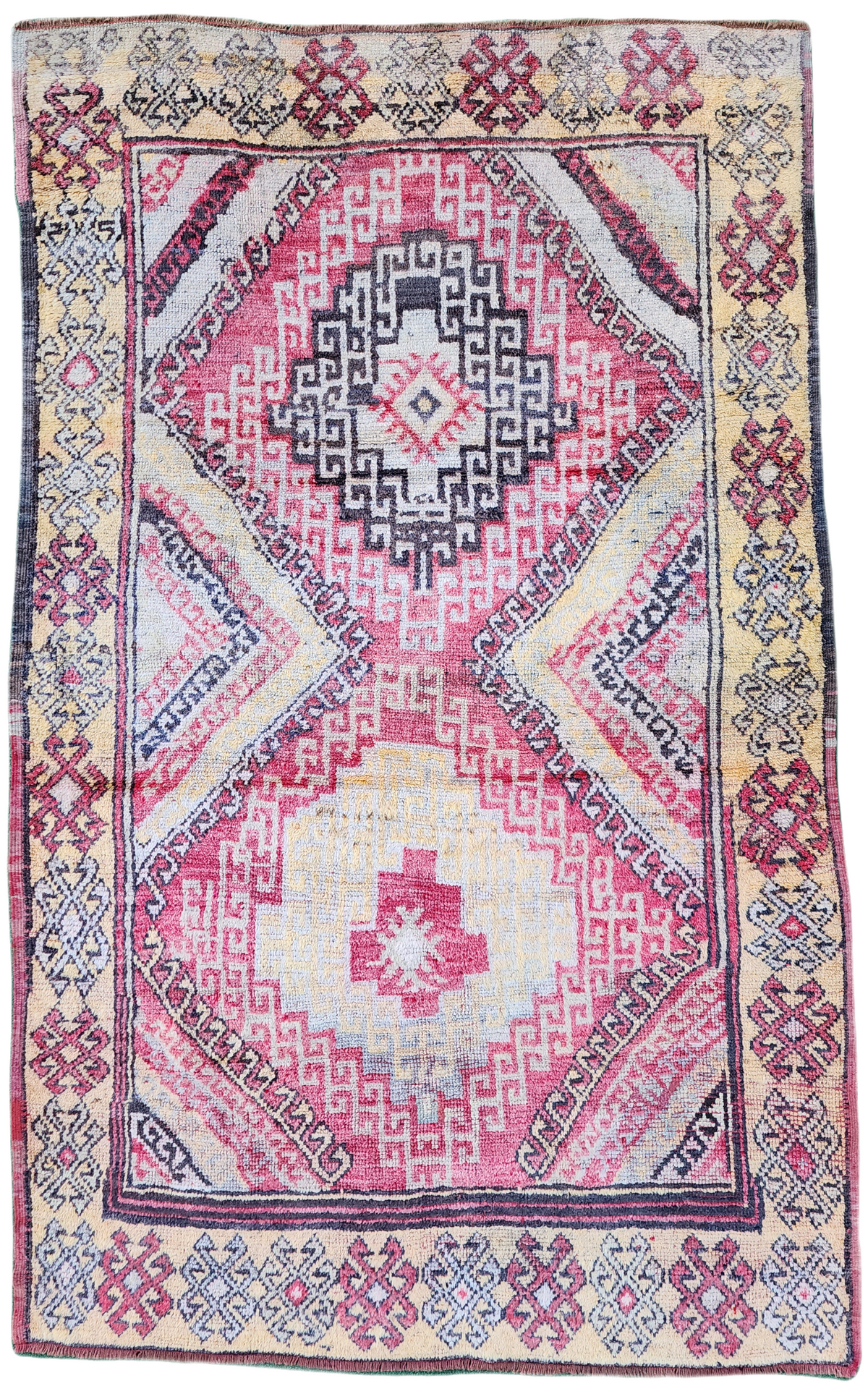
Konya rugs are rarely fussy. Compared with the fine, curvilinear designs of Hereke or the soft washes of Oushak, the village work around Konya is bolder, more geometric and more direct. Look for these features:
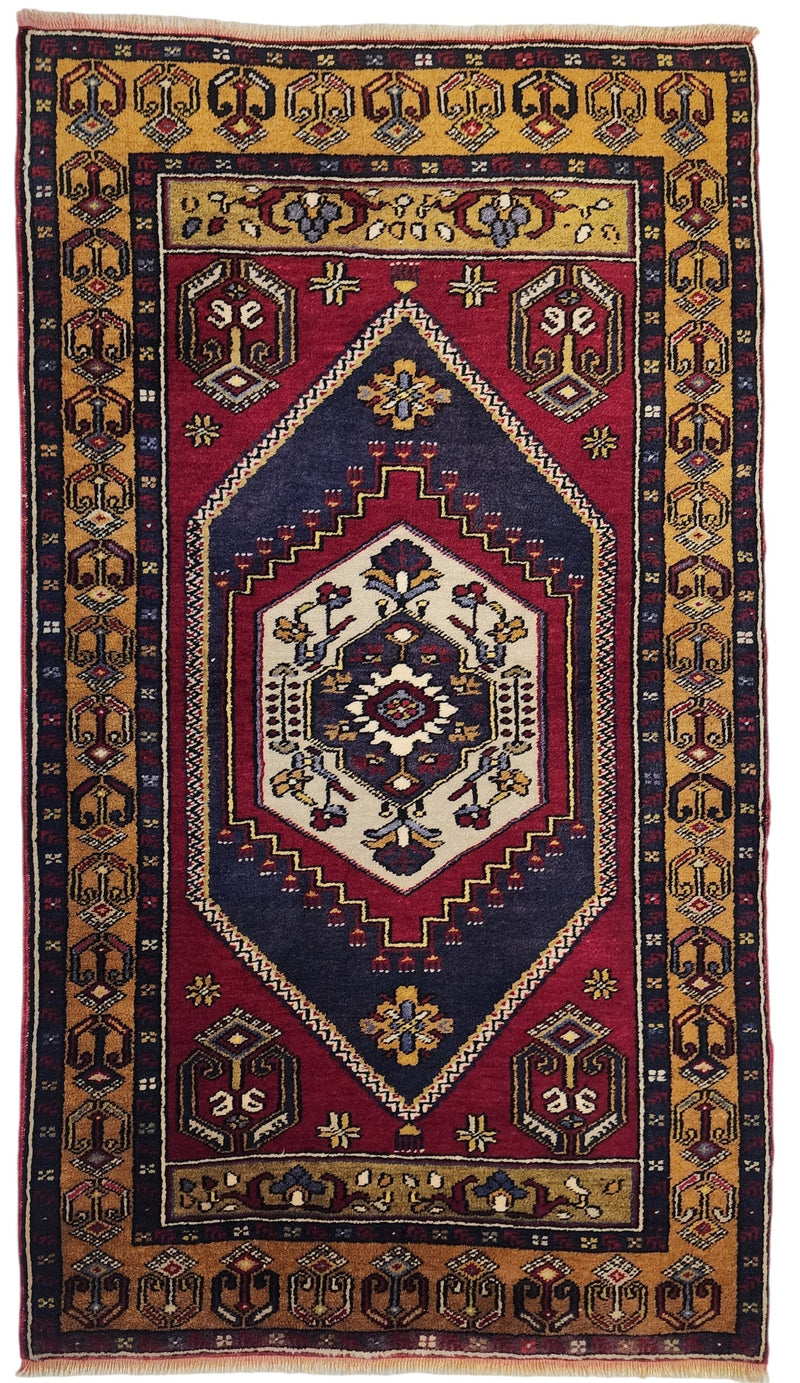
- The mihrab. A single arch, often stepped or hooked at the edges, filling most of the field. Some have a pointed niche; others have a squared, almost architectural shape.
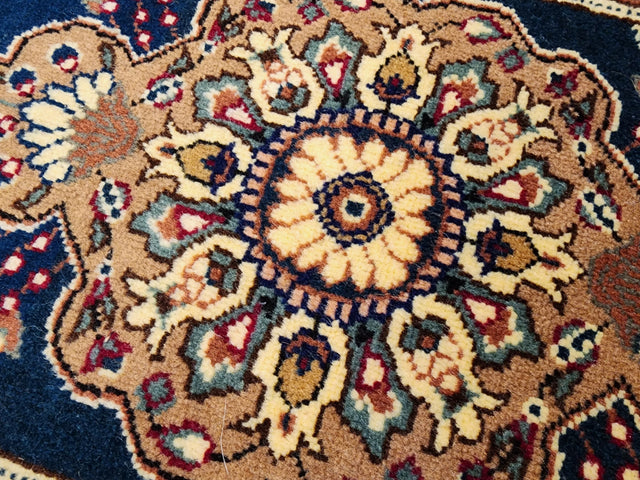
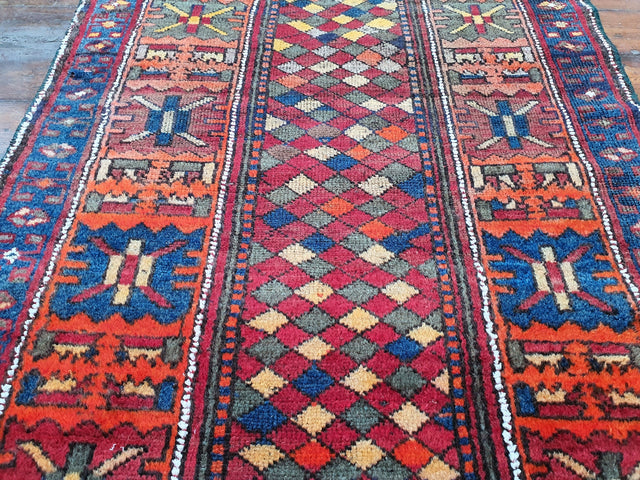
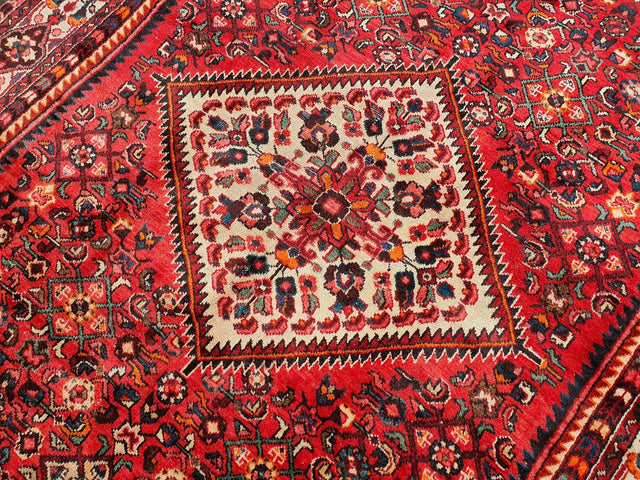
- Warm, saturated colour. Madder-type reds, deep blues, and accents of ivory, saffron and brown are common. Older pieces often show small shifts in tone within one colour. Weavers call this abrash, and it comes from wool dyed in separate batches.
- Simple borders. Often a main border with repeating geometric or floral motifs, flanked by narrower guard stripes.
- Small symbols in the field. Hands, combs, hooks, water jugs, stars and lamps hang from or sit within the arch. These are traditional motifs; our guide to Anatolian rug symbols covers what many of them are said to mean.
- Wool pile on a cotton or wool foundation. Most are knotted, so they have a cut pile, unlike a flat-woven kilim.
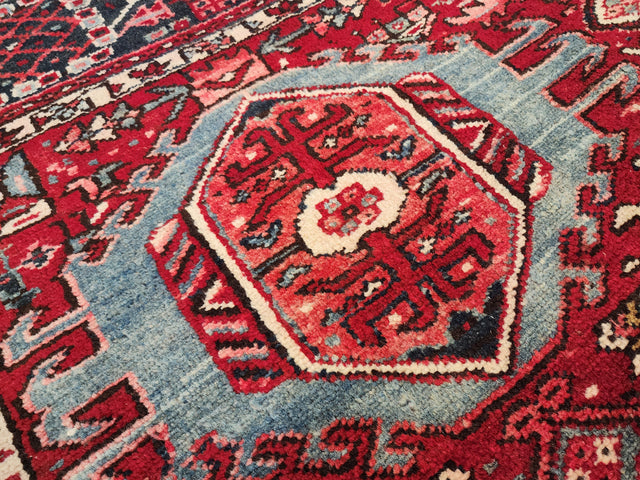
Not every rug that mentions prayer in its listing is a Konya piece. Karaova, Kırşehir, Mucur, Ladik and Karapınar also made prayer rugs, and each has a slightly different look. The guide to Konya, Kayseri and Hereke rug regions explains how to tell these areas apart.
What sizes do prayer rugs come in?
Prayer rugs are among the smallest of the traditional rug formats. Most fall within a narrow range, and that makes them easy to place in a home.
| Format | Typical size (ft) | Typical size (cm) | Best use |
|---|---|---|---|
| Classic single prayer rug | 2.5 x 4 to 3 x 5 | 76 x 120 to 90 x 150 | Prayer, wall display, bedside |
| Larger prayer rug | 3.5 x 5 to 4 x 6 | 105 x 150 to 120 x 180 | Entry, desk, small seating corner |
| Small kilim-style prayer mat | 2 x 3 to 3 x 4 | 60 x 90 to 90 x 120 | Wall, chair seat, layering |
Sizes vary a lot with vintage pieces, because they were woven on village looms without a standard grid. Always check the listed measurements. If you need help converting between units, read our note on reading vintage rug dimensions in centimetres and feet.
How can you tell a good one from a poor one?
These checks apply to any hand-knotted rug, but they matter more on a small prayer rug because the field is small and every flaw is visible.
- Turn it over. On a hand-knotted rug the design shows clearly on the back, and the knots look slightly irregular. A printed or machine-made rug has a very uniform back, often with latex or a stiff backing.
- Check the arch. The mihrab should look intentional, with a clear top and symmetrical sides. A slightly uneven arch is not a fault in a village rug, but it should still read clearly.
- Look at the pile. Even wear is normal on a vintage piece. Worn patches at the knee end and the head end are common because those are the contact points in prayer. Bare foundation threads over a large area are a problem.
- Look at the edges. The selvedge (side edge) and fringe should be intact, or neatly repaired. Fringe is the extension of the warp threads, not something sewn on.
- Check the colour. Gentle variation is a good sign. A flat, uniformly bright colour with sharp borders can point to a synthetic or chemically treated dye.
- Smell and handle. It should smell of clean wool, not mould or strong chemicals, and feel supple, not brittle.
Our full guide to identifying an authentic hand-knotted Turkish rug goes deeper into knots and foundations.
Can you use a prayer rug as decoration?
Yes. Many of the prayer rugs we sell go into homes where nobody prays on them, and plenty of buyers want them for the design alone. If you do plan to use a rug for prayer, though, treat it with respect: keep it clean and off the floor of a busy hallway, and do not use it as a doormat.
Here are the ways we see prayer rugs used well:
- On a wall. The arch shape suits wall hanging. Use a flat hanging strip or sleeve so the weight spreads across the rug, never single nails.
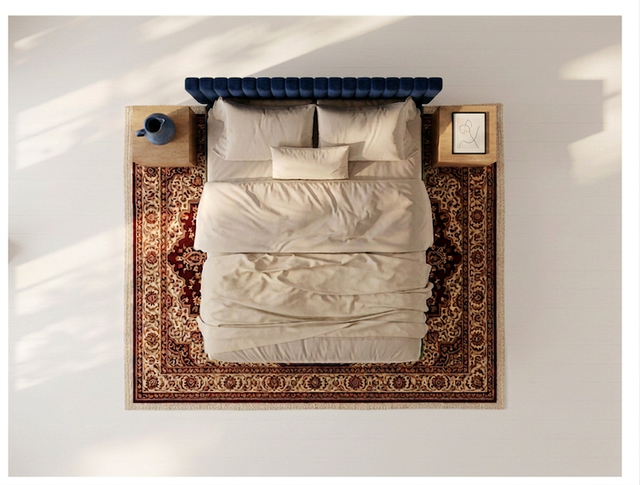
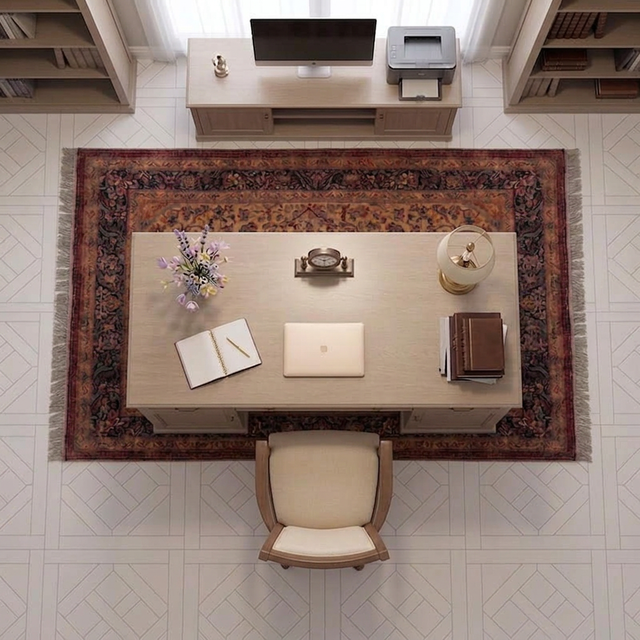
- Beside a bed or at a desk. A 3 x 5 ft piece is the right size for a bedside spot where bare feet land.
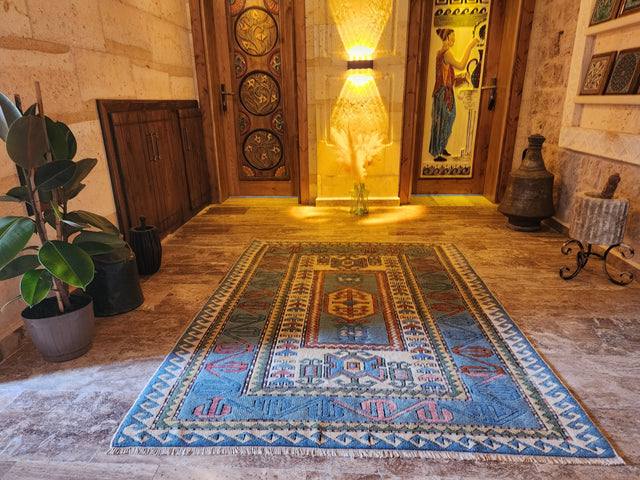
- In an entry. A sturdy wool rug takes foot traffic well. Pair it with a non-slip pad.
- Layered. A small prayer rug over a larger neutral rug adds a focal point. See how to layer rugs for the rules.
- As a throw. Folded over a chair, bench or the end of a bed.
How do you choose a Konya rug for your home?
Start with the place, then the colours, then the character of the piece.
Place and size. Measure first. For an entry or beside a bed, 2 x 4 to 3 x 5 ft (60 x 120 to 90 x 150 cm) is usually enough. For a seating corner, you may want something nearer 4 x 6 ft (120 x 180 cm). Browse our Konya rugs and small rugs to see actual sizes in the photos.
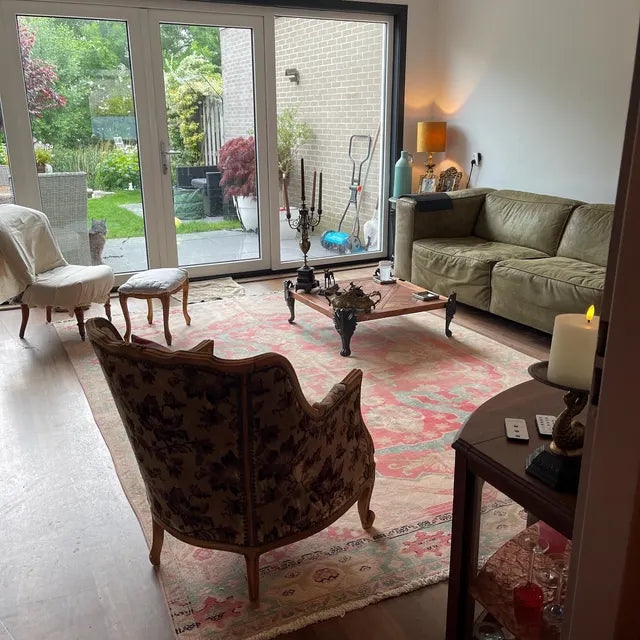
Colour. Red and blue pieces suit warm wood floors and neutral walls. Softer, faded pieces suit pale rooms. Our collection of red rugs shows the range from brick to rose.
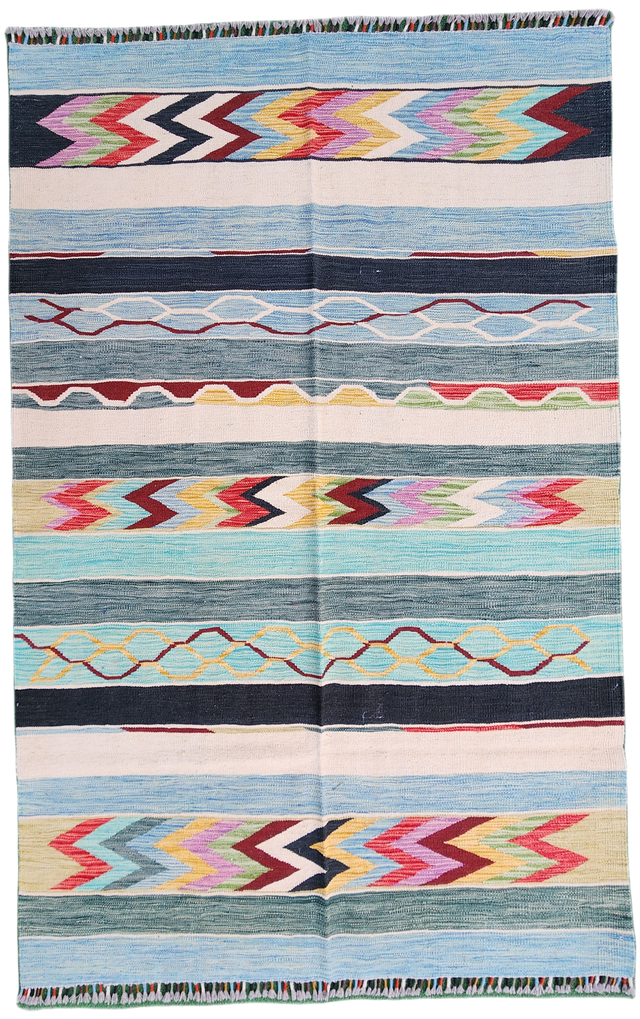
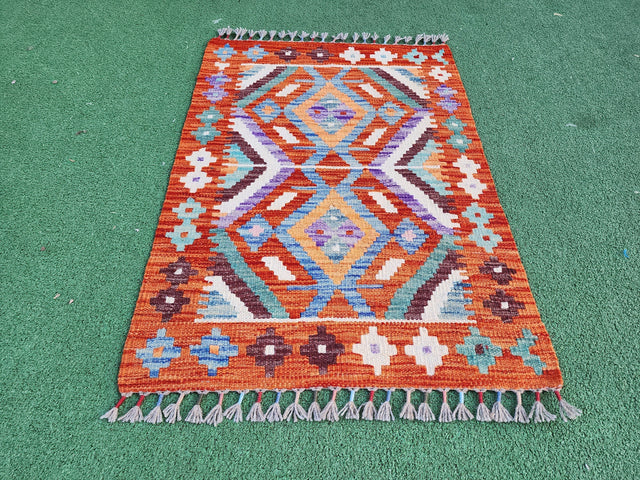
Pile or flatweave. Prayer rugs are normally pile rugs. If you want a flat, lighter texture, a Konya kilim is a better match; read what a kilim is and how it differs from pile before you decide.
Condition. Wear on a vintage rug is part of its history, but ask for close-up photos of the back and the ends. Our checklist for buying a vintage rug online lists what to ask.
How do you care for a prayer rug?
A wool prayer rug is robust if you keep it simple.
- Vacuum gently with the suction head, no beater bar, and never over the fringe.
- Rotate the rug every few months so wear and sun fade evenly.
- Blot spills straight away with a clean white cloth. Do not rub.
- Keep it out of long, direct sun, which fades natural dyes.
- For a deeper clean, follow the safe steps in how to clean a wool rug at home, and have an old or fragile piece handled by a specialist.
As an example of the format, our antique Karaova prayer rug in red, brown and beige shows a clear mihrab on a small 4 x 5 ft field.
If a rug is dirty with dust only, shaking it outside and airing it in the shade is often enough.
What should you ask a seller about a Konya prayer rug?
A trustworthy seller answers these directly, and will not claim more than they can know.
- Is it hand-knotted, and what is the foundation (cotton, wool)?
- What are the exact measurements in both feet and centimetres?
- Has it been repaired or washed, and where are the repairs?
- Where was it woven, and is that a region claim or a village claim?
- What are the shipping and return terms?
With us, every piece is one of a kind, shipping is free worldwide, import duties are pre-paid for the US, UK, EU and Canada, and you have 14 days to return an item.
Pieces from our collection
Every piece below is one of a kind and in stock today:
- Halikarnassa — Antique Karaova Prayer Rug, 4x5
- Eufrosyne — Antique Konya Wool Small Rug
- Selçuka — Vintage Konya Rug, 2x4
- Eudromia — Antique Konya Wool Small Rug
Frequently asked questions
What is the arch on a prayer rug called?
The arch is called a mihrab, after the niche in a mosque wall that shows the direction of prayer. On a rug it is a woven niche at one end of the field. When the user kneels, the mihrab points toward the direction of prayer. Weavers also add lamps, hands and hooks around it as traditional motifs.
Are all Konya rugs prayer rugs?
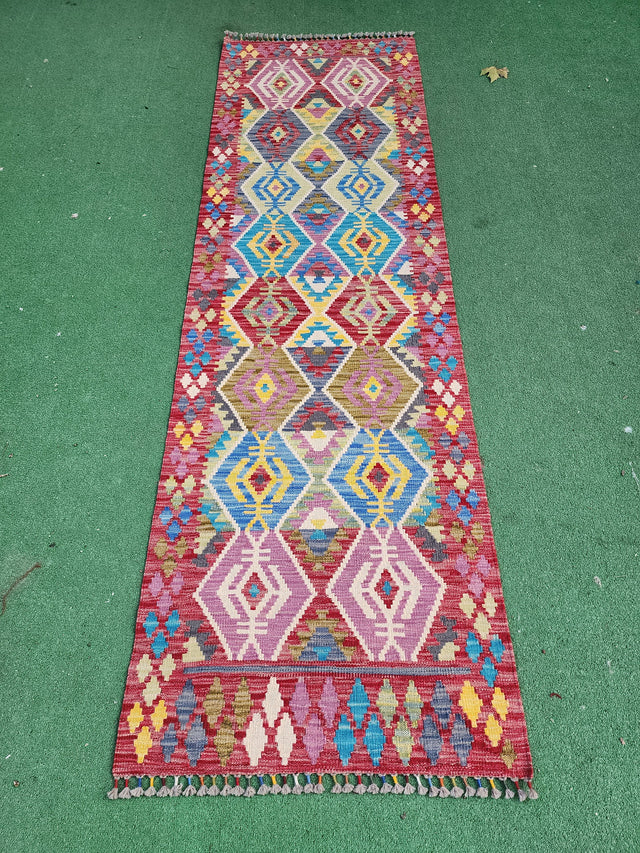
No. Konya weavers also make kilims, runners, stripe-patterned rugs, long village rugs and shaggy tulu pieces. A prayer rug is defined by its mihrab design, not only by its origin. Many Konya listings are plain geometric rugs or flatweaves, so check the field design before you assume a piece is a prayer rug.
Can I hang a Konya prayer rug on the wall?
Yes, and the arched design suits it. Hang it with a sewn-on sleeve and a rod, or a wide hook-and-loop strip, so the weight is spread across the width. Avoid single nails or clips, which can pull the pile. Keep it out of direct sun and turn it now and then.
How do I know a prayer rug is hand-knotted and not machine-made?
Turn it over. On a hand-knotted rug the pattern shows sharply on the back and the knots vary a little. A machine-made rug has a perfectly uniform back, often with a stiff latex coating. The fringe on a handmade rug is part of the warp, not sewn on, and the pile feels irregular.
Is a vintage prayer rug suitable for everyday floor use?
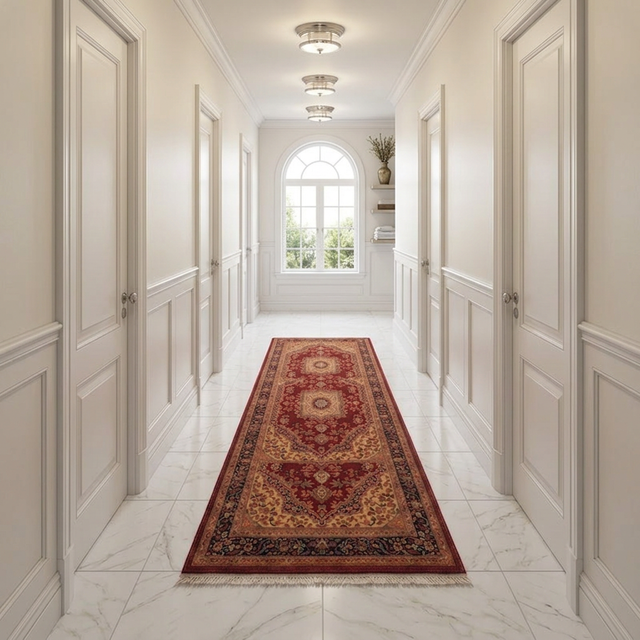
A wool prayer rug is hard-wearing, but its small size and age suit light to medium traffic, such as a bedside, desk or entry. Use a non-slip pad, rotate it every few months and clean spills at once. For a busy hallway, a runner or a larger rug is usually a better choice.
Written by the team at Heritage Nomadic Art Gallery in Sultanahmet, Istanbul, the gallery behind TurkishRug.com, where every rug and pillow is chosen, washed and photographed by hand. Last updated November 20, 2026.
%20at%20one%20end.%20Most%20are%202.5%20x%204%20to%204%20x%206%20ft%20(76%20x%20120%20to%20120%20x%20...)