What Is a Kilim? Pile vs Flatweave Rugs Explained
"Kilim" is one of those words that everyone has heard but few people can define. It is not a region. It is not a colour. It is not a style. A kilim is a fundamentally different type of woven textile — different from the pile rugs most people picture when they think "Turkish rug."
Once you understand what a kilim is, you understand why some Turkish rugs feel like dense, soft carpet while others feel like a heavy woven blanket. The difference is the loom technique.
The two ways to make a rug
Almost every traditional woven rug falls into one of two categories:
Pile rugs (hand-knotted)
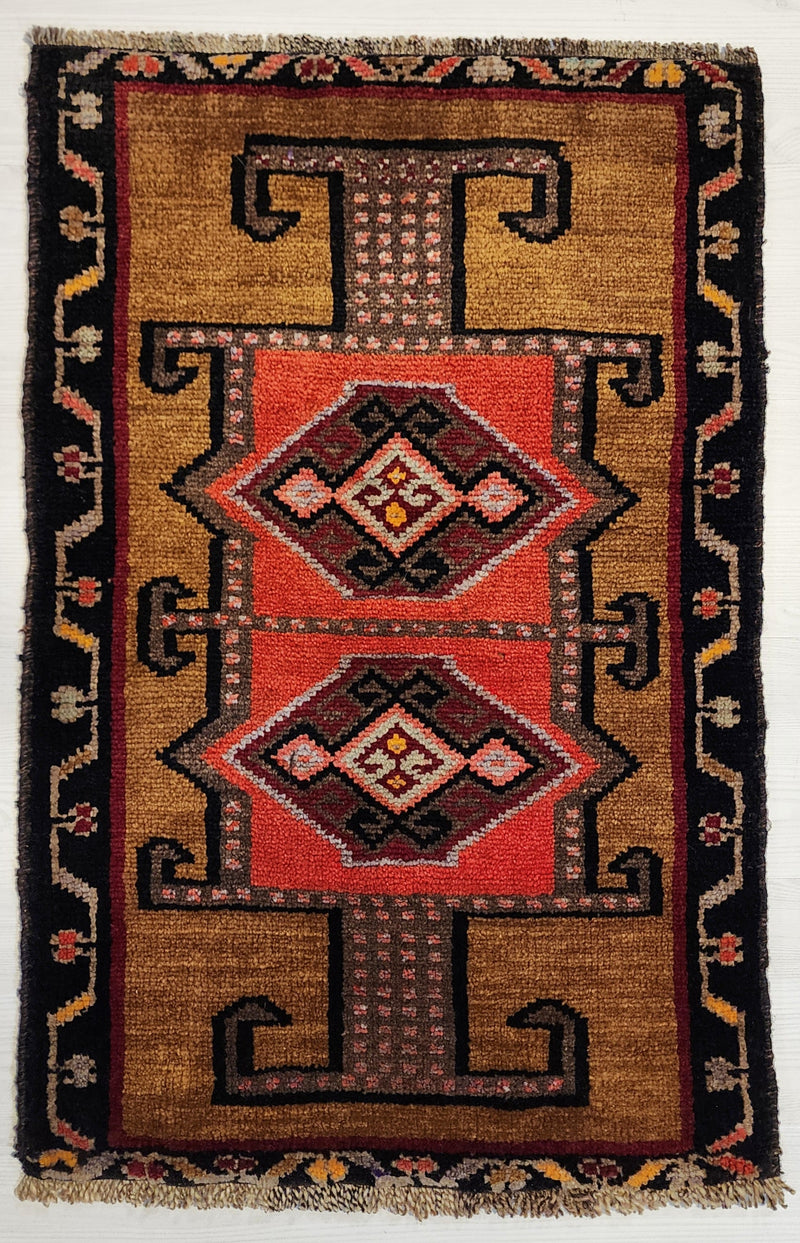
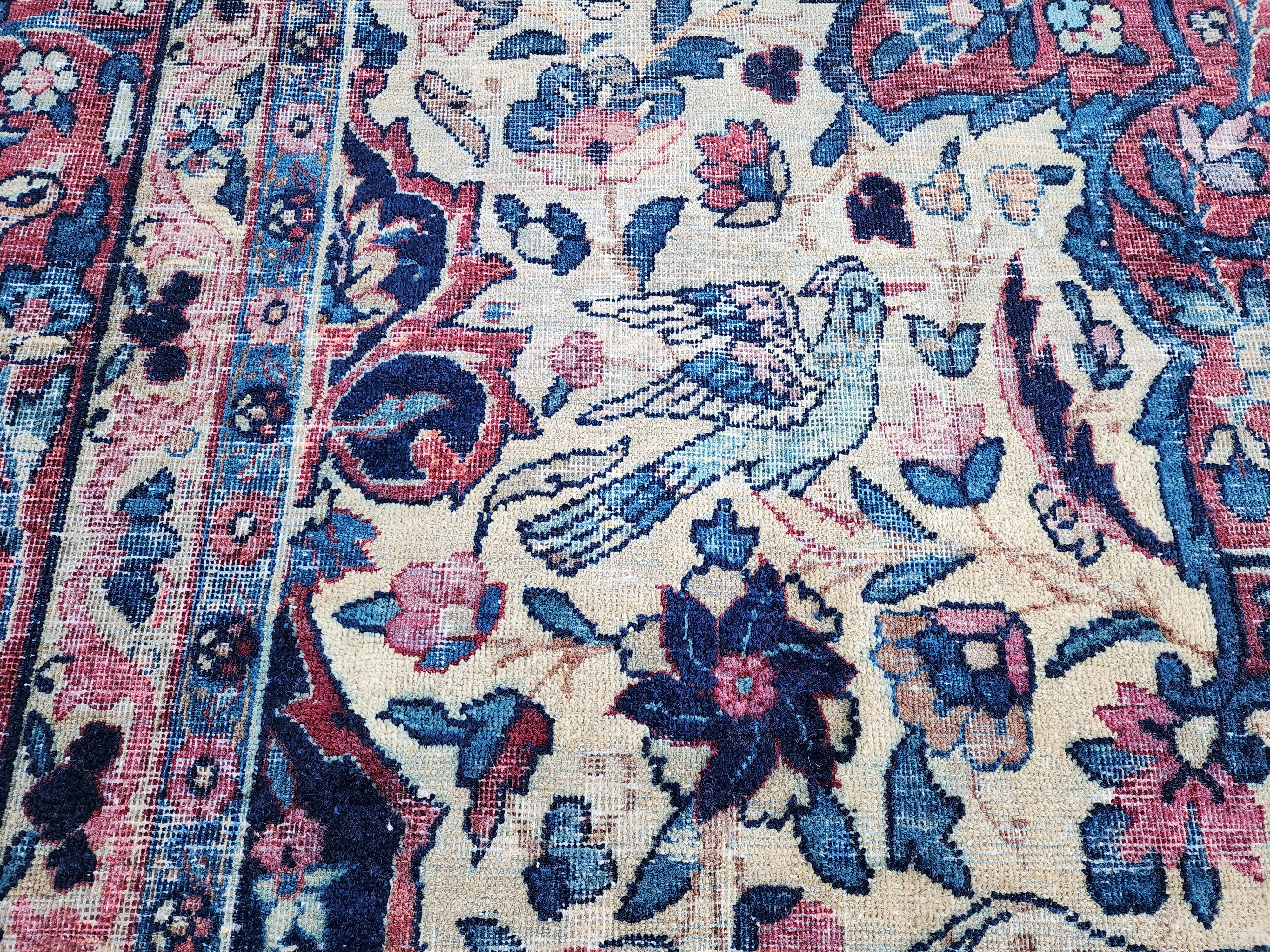
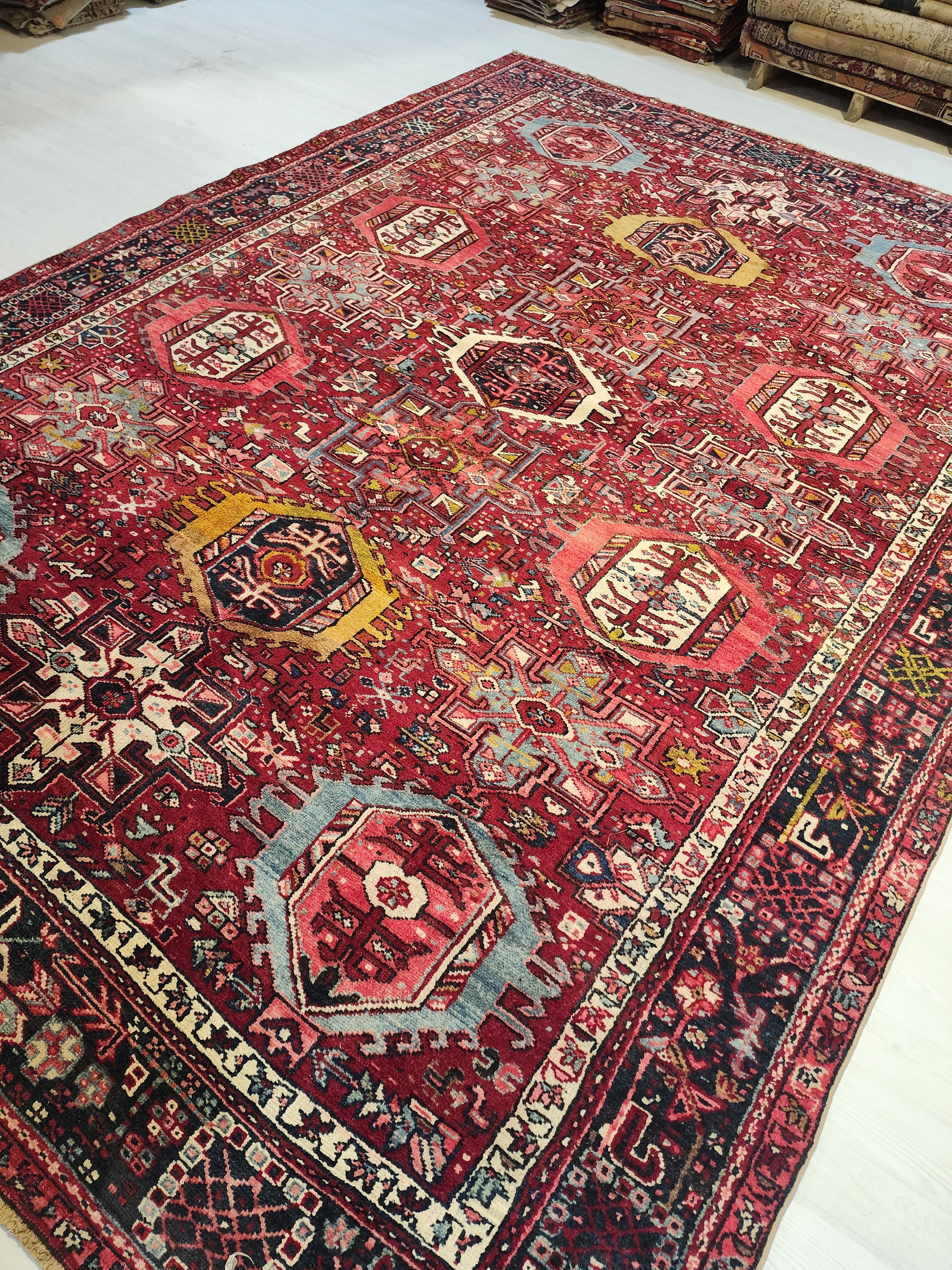
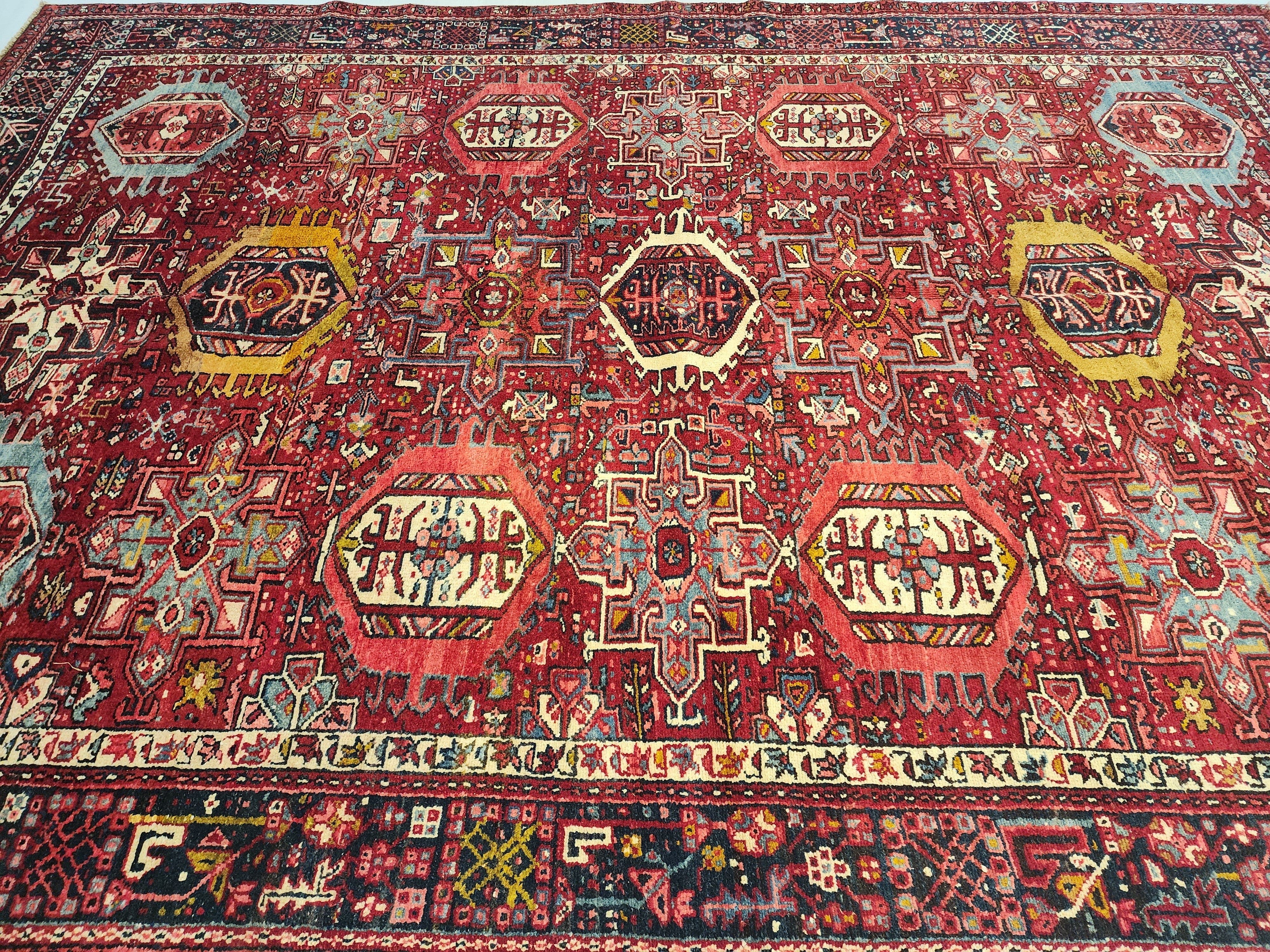
A pile rug is built by tying short pieces of yarn around the warp threads to form knots. The knot creates a tuft (pile) that sticks up perpendicular to the rug's flat surface. Between rows of knots, the weaver weaves through one or more weft threads to lock the knots in place. The result is a thick rug with a soft, plush surface — the surface you sink into.
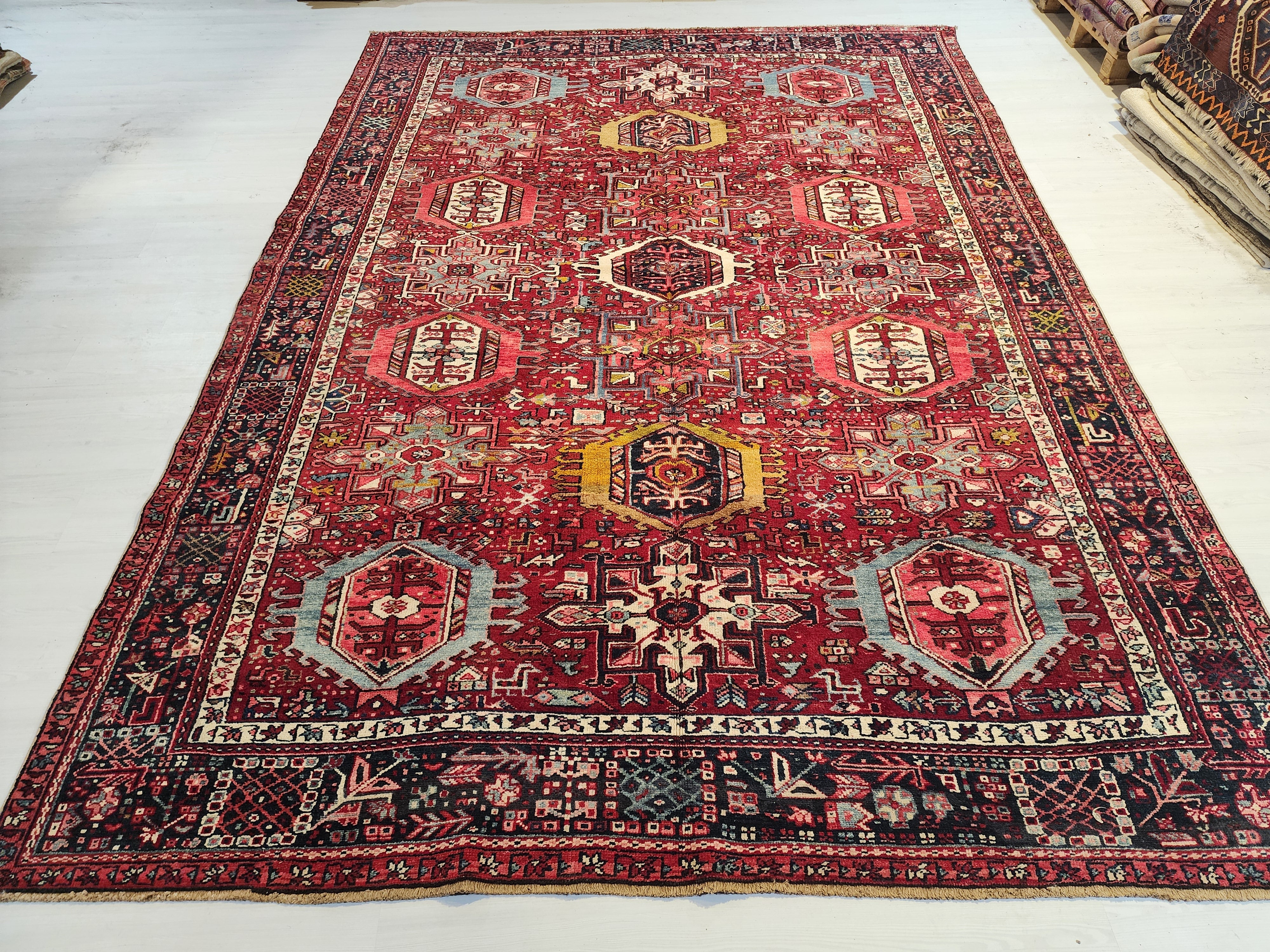
Hand-knotted Turkish rugs, Oriental rugs, Caucasian rugs, Afghan rugs, Tibetan rugs — these are all pile rugs.
Flatweave rugs (kilims)
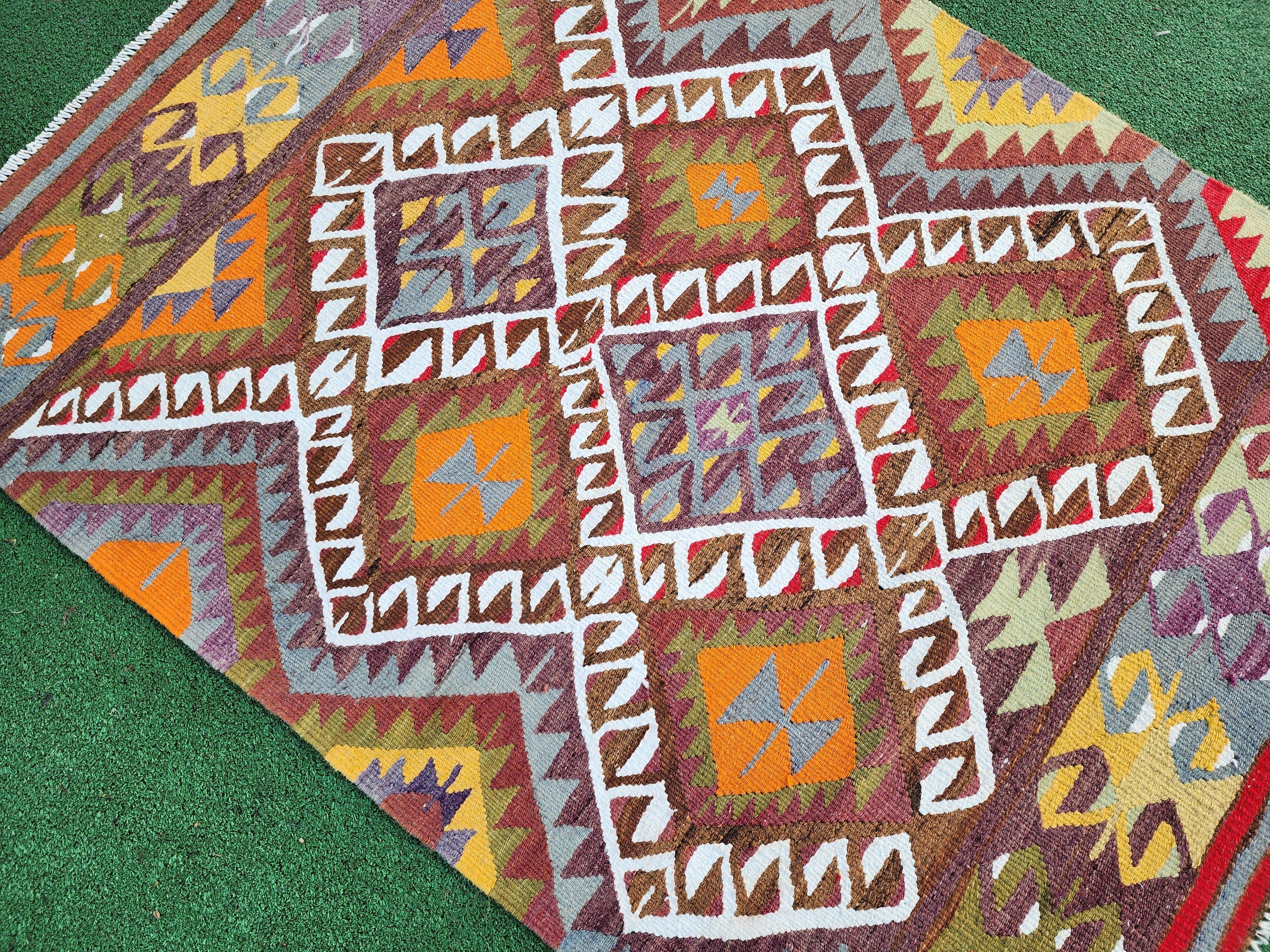
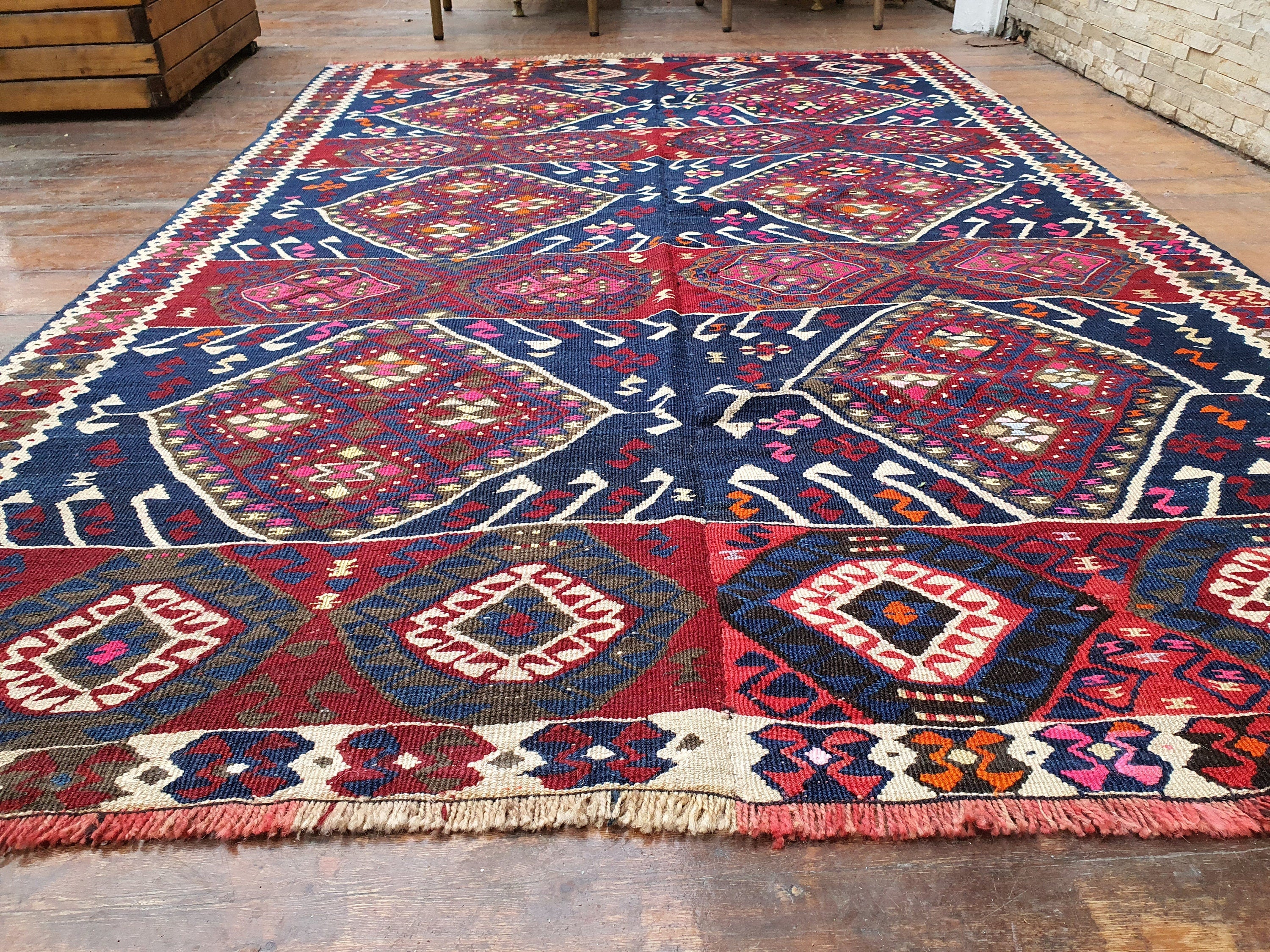
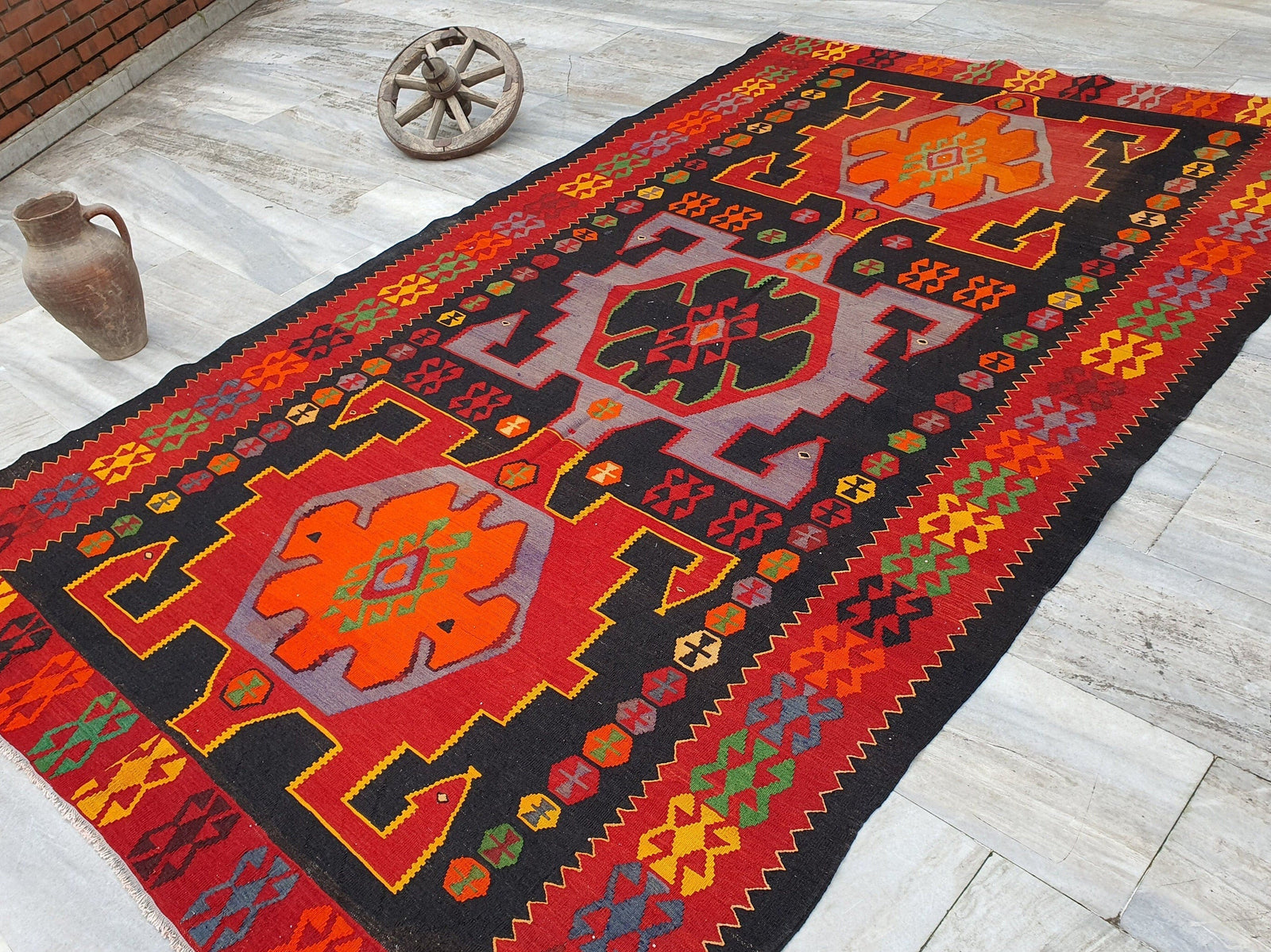
A kilim is woven without any knots. The pattern is formed by interlacing coloured weft threads through the warp, just like making a piece of cloth. There is no pile — the surface is flat, like a heavy woven blanket. Both sides look almost identical.
Because there is no pile, kilims are thinner, lighter, more flexible, and patterned in particular ways that emerge from the structure of the weaving itself.
How a kilim is woven
Imagine a loom: vertical warp threads stretched tight on a frame. The weaver passes a horizontal weft thread over and under the warp, building up the rug one row at a time. To create a pattern, the weaver uses different coloured wefts in different areas — switching colours as they go.
The most common kilim weaving technique is slit-weave: where two colours meet vertically, the wefts turn back on themselves, leaving a small slit in the fabric along the boundary. You can sometimes see these slits if you hold a kilim up to the light. They are not flaws — they are part of how the rug was constructed.
Other kilim techniques include:
- Soumak: wefts wrap around each warp in a chain stitch, producing a stronger and slightly textured surface
- Cicim (Jijim): supplementary wefts added on top of the base weave, creating embroidered-looking patterns
- Zili: similar to cicim but with longer floats
All of these are flatweave techniques. Soumak rugs, cicim rugs, and zili rugs are all kilims in the broader sense — they have no knotted pile.
Where kilims come from
Anatolia is one of the great kilim-producing regions of the world, alongside parts of Persia, the Caucasus, and Central Asia. Different Turkish regions developed distinct kilim traditions:
- Konya kilims: bold geometric medallions, strong reds and indigos, woven by both villagers and nomads
- Sivas kilims: refined geometric patterns, often softer palettes, eastern Anatolian tradition
- Kayseri kilims: tend toward finer weaves and floral influence
- Çal (Denizli) kilims: very recognisable horizontal stripes and small medallions
- Manastır kilims: from the western Aegean, distinctive prayer-rug shapes
- Cappadocia / Aksaray kilims: central Anatolian, archetypal "Turkish kilim" look
Each region developed its own vocabulary of motifs — diamonds, hooks, hands, combs, evil-eye symbols, scorpions, rams' horns. Kilim motifs are often more symbolic than the floral patterns of pile rugs, drawing on tribal and pre-Islamic visual languages.
How kilims compare to pile rugs
Thickness and weight
A typical wool kilim is 3-5 mm thick. A typical hand-knotted wool pile rug is 8-15 mm thick. A kilim of the same size weighs maybe one-third to half as much as a pile rug.
Feel underfoot
Kilims feel firm — closer to a heavy woven blanket than a plush carpet. They are not "cushiony." Some people prefer this feel; others want the softness of pile.
Use
Because they are flat, kilims work well in:
- Layered floor compositions (one kilim laid over a larger pile rug)
- Kitchens and dining rooms (less depth, easier to clean, less likely to trap food crumbs)
- Walls — kilims have been hung as wall art for centuries
- Furniture upholstery — kilim panels are often used on cushions, ottomans, and bench seats
Pile rugs are usually better in:
- Living rooms (the cushion is welcome)
- Bedrooms (warmth and softness)
- High-foot-traffic areas where the pile absorbs wear
Pattern logic
Kilim patterns tend to be more geometric and angular — the structure of flatweaving favours straight lines and stepped shapes over the smooth curves possible in knotting. A flowing floral medallion is awkward to weave in kilim technique but natural in pile.
Price
For the same size and quality of wool, kilims are typically less expensive than pile rugs — because flatweaving is faster than knotting. A skilled weaver might finish a kilim in a few weeks that would take 3-6 months as a pile rug.
However, antique kilims with rare motifs or excellent natural dye work can command very high prices on the collectible market.
Care
Kilims are generally easier to clean than pile rugs because there is no deep pile to trap dirt. A vacuum, a shake outside, occasional damp cloth wipe, and they are good. For a serious cleaning, hand-wash flat with cool water and pH-neutral wool detergent, or send to a professional.
Spills clean up more easily on a kilim because the liquid sits on the surface longer rather than soaking into pile fibres.
Are kilims durable?
A well-woven wool kilim with natural dyes can last 50-100 years with reasonable care. Many antique kilims still in circulation are 80-150 years old and remain usable. The flatweave structure is actually quite strong because the wefts lock around each other — there is no pile to wear away first.
The main vulnerabilities are: slit damage (the slits in slit-weave can widen with stress) and edge wear (where the rug meets walls or furniture legs).
Soumak — the bridge between kilim and pile
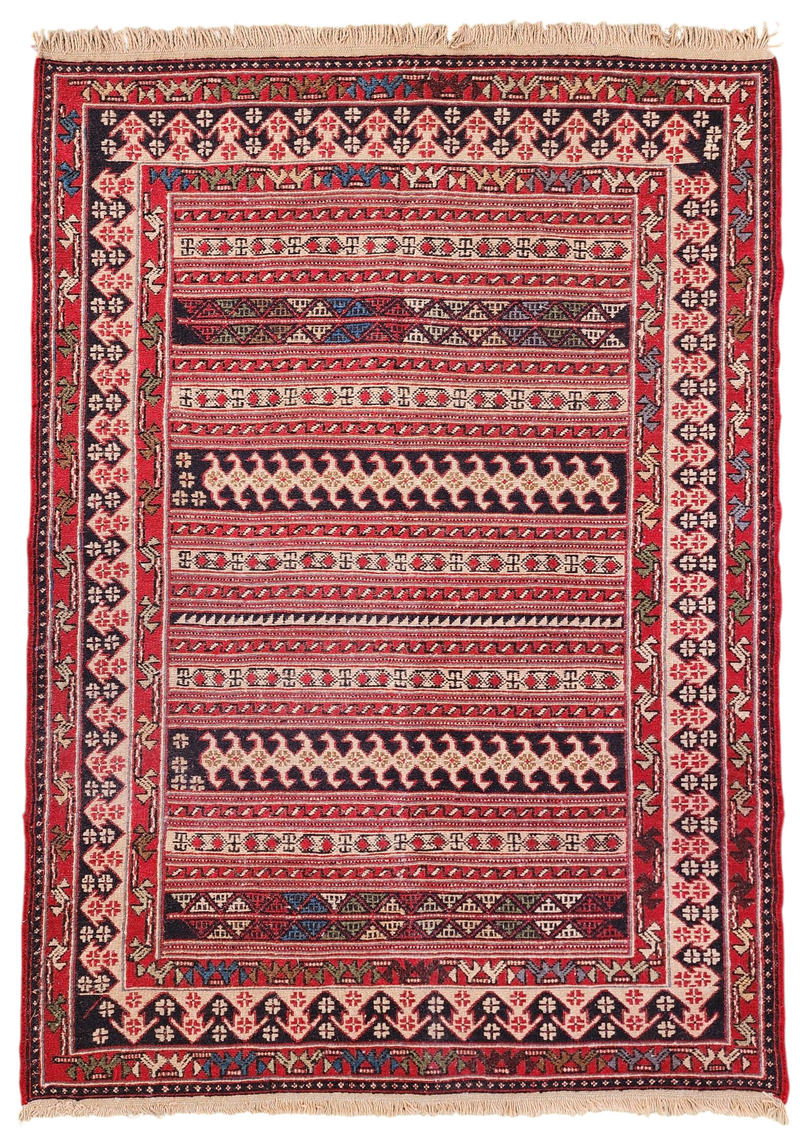
Soumak deserves its own mention. It is technically a flatweave (no knots, no pile) but the wrapping technique creates a slightly raised surface with a distinctive texture. Soumak rugs are sturdier than slit-weave kilims and have a different visual character — the wrapping shows directional sheen, almost like the surface of a chainmail.
Many of the pieces in our kilim collection are Soumak or Cicim — the Anatolian villages that produce them were often making both alongside knotted pile rugs.
Which one should you buy?
Buy a kilim if:
- You want a more affordable hand-woven Turkish piece
- You like flat, structured floor coverings
- You are in a kitchen, dining area, or layering with another rug
- You want to hang the piece on a wall
- You prefer geometric to floral aesthetic
Buy a pile rug if:
- You want a thick, cushioned floor under your bare feet
- You prefer floral or medallion patterns
- The rug is the focal point of a living room or bedroom
- You want maximum heirloom potential
Final word
Kilims and pile rugs are not better or worse than each other — they are different traditions, solving the same problem (cover the floor with something beautiful) in different ways. A serious rug collector usually has both, in different rooms, for different reasons.
Browse our kilim and flatwoven collection to see the range: traditional slit-weave kilims, soumak pieces, and cicim embroidered weaves — all sourced from Anatolian villages with long traditions in these techniques.