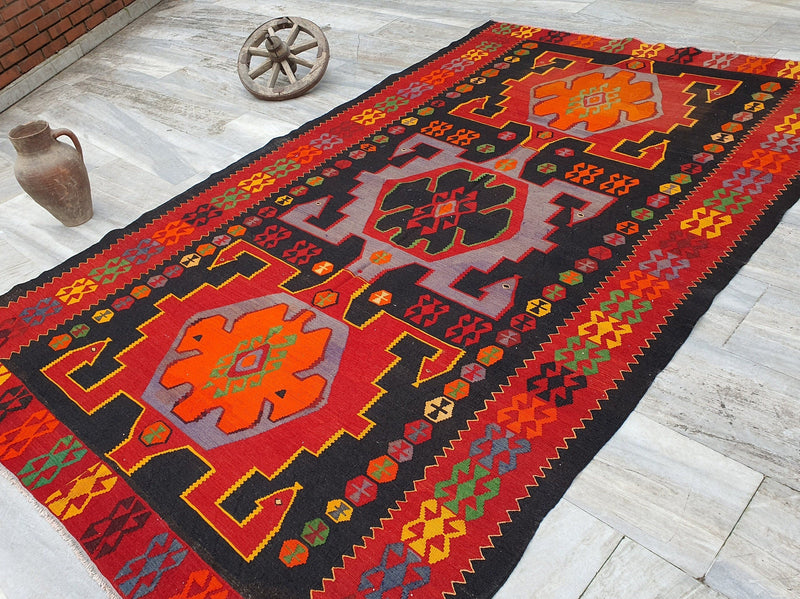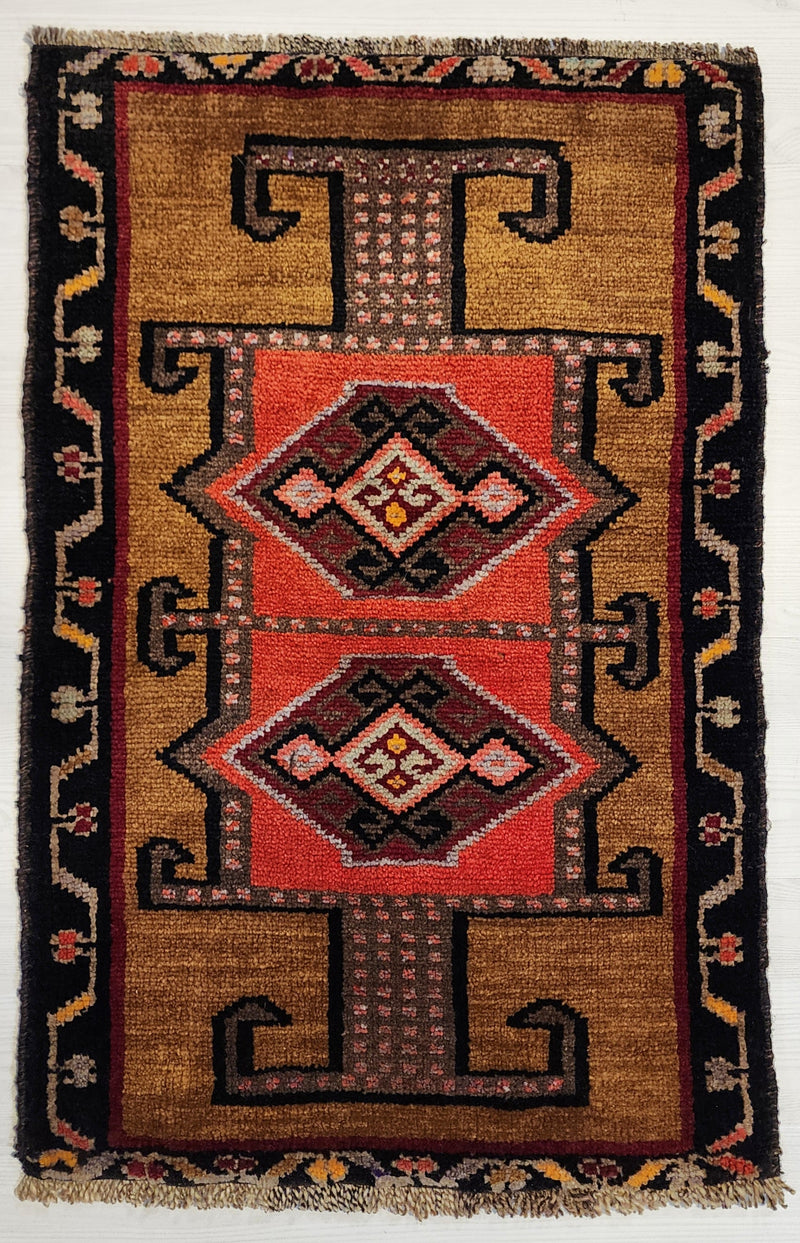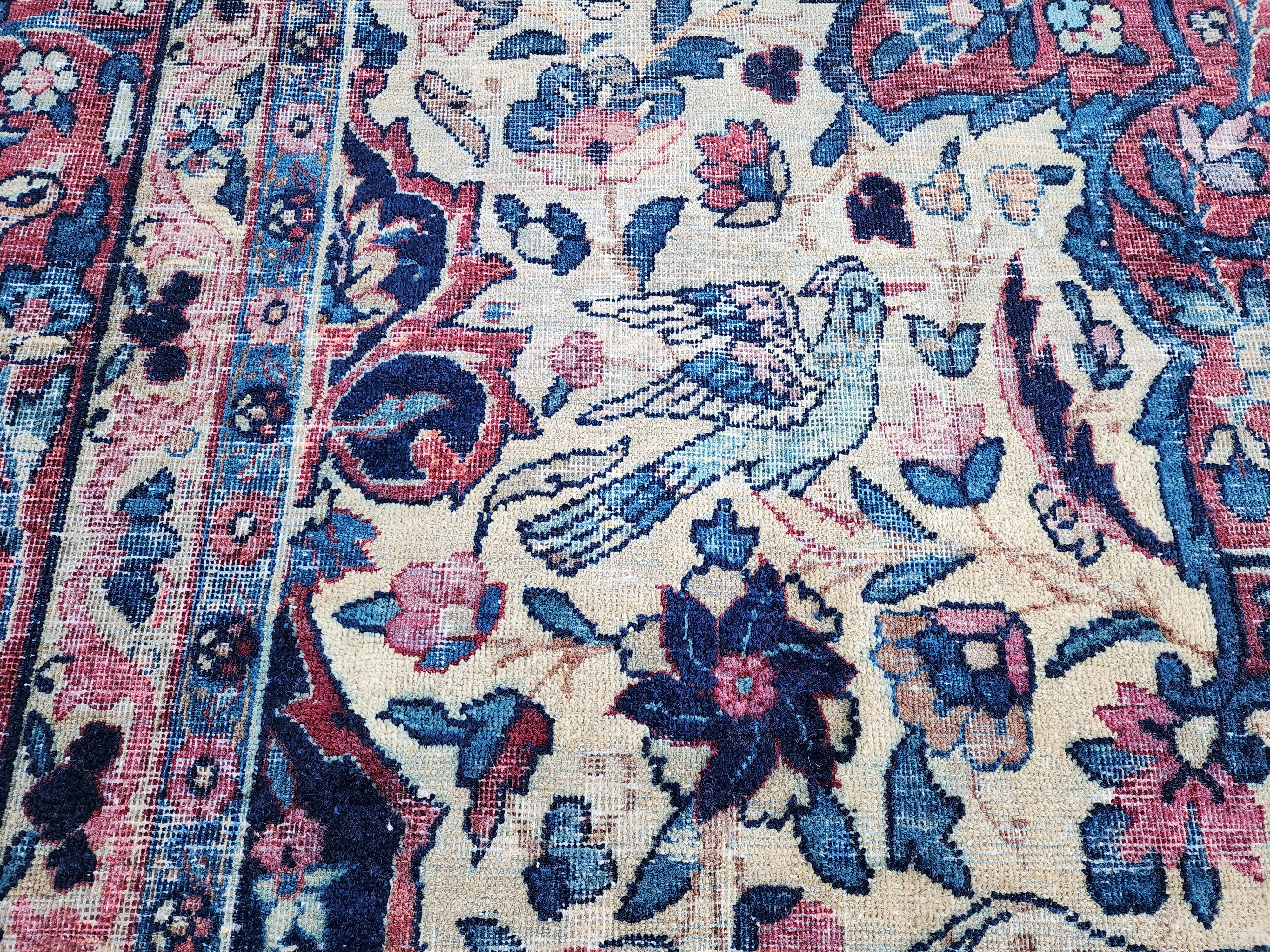
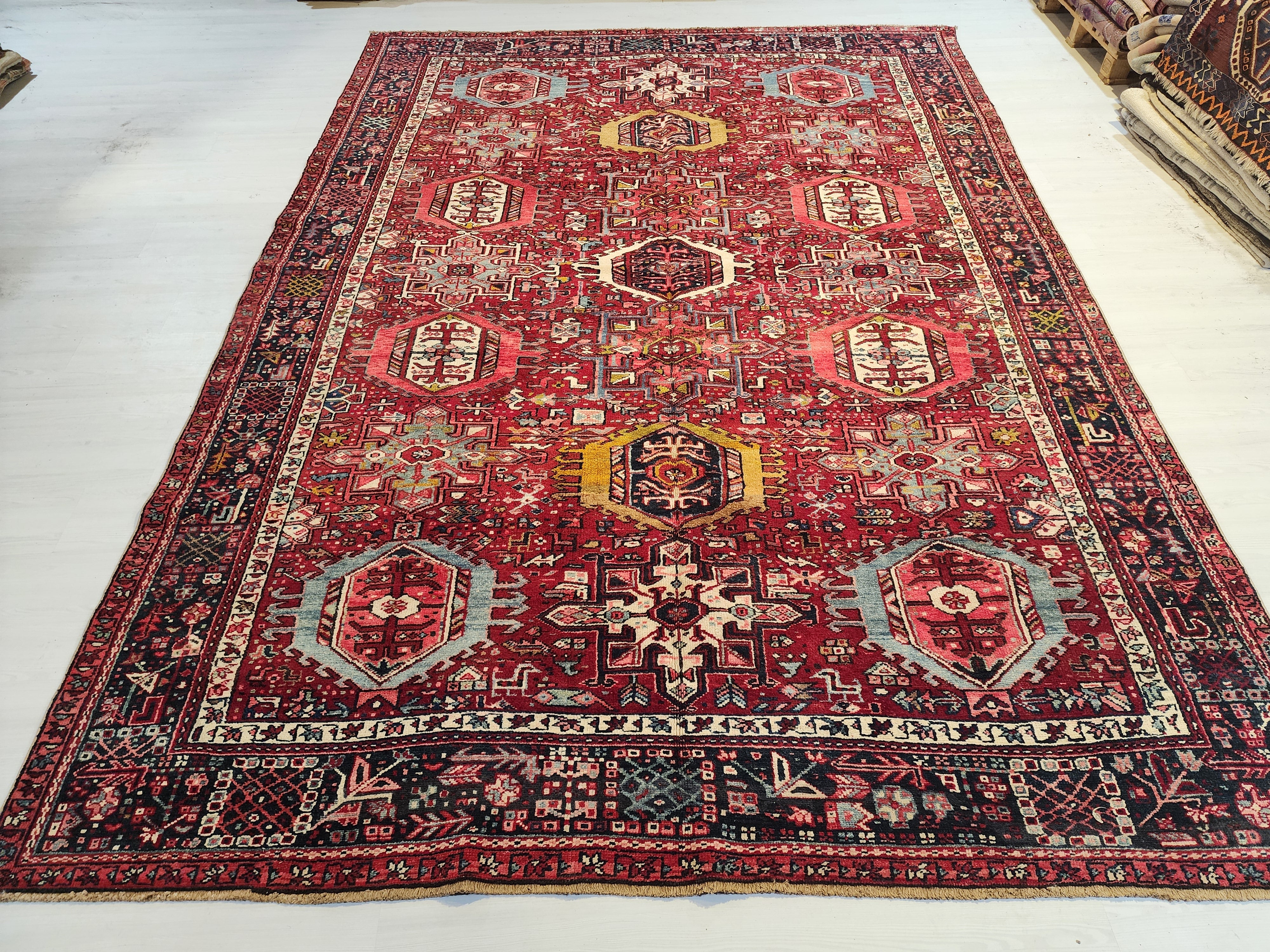
Are Vintage Turkish Rugs a Good Investment? Hidden Value Explained
Most things you buy for your home depreciate. The sofa loses half its value in five years. The TV is worthless in eight. The kitchen appliances are scrap by year fifteen. There are very few objects in a typical household that hold value, much less appreciate.
A genuine hand-knotted vintage rug is one of them. Not always, not automatically — but in a way that surprises people when they first realise it.
Here is the honest analysis. What appreciates, what does not, and what to think about if you are considering a rug as a long-term object rather than a short-term purchase.
The basic case for rugs as value-holding
Three things support the long-term value of hand-knotted rugs:
1. Fixed supply
Antique rugs (100+ years old) are a fixed historical inventory. No new antiques are being made. Every year some pieces are damaged, destroyed, or absorbed into permanent collections. The available pool only shrinks.
Vintage rugs (30-100 years) are also a closing window. The pieces being made today are being made by fewer weavers, with industrial wool more often than hand-spun, with synthetic dyes more often than natural. The "vintage" market in 2050 will be different from the vintage market in 2025.
2. Demand from interior design
Over the last 20 years, vintage Turkish rugs — especially Oushaks and overdyed pieces — have moved from "ethnic" niche to mainstream interior design. They are featured in design magazines, in luxury hotel projects, in high-end residential work.
This is a structural shift. The kind of buyer who five years ago bought a wall-to-wall neutral carpet is now buying a 9×12 vintage Oushak. As that buyer base grows, supply pressure on the better pieces grows with it.
3. No equivalent substitute
You cannot replicate a 1950 hand-knotted village rug with new production. The wool is different (different sheep, different feed, different climate). The dyes are different (the women who knew the recipes are mostly gone). The patterns are different (modern weavers tend to copy successful designs rather than invent regional ones). And the labour is different (fewer trained weavers, faster commercial weaving).
A new rug "in the style of" a vintage piece is always recognisable as new. The patina, the colour shift, the slight density variation that only comes with age — these cannot be faked. Or rather, they can be faked, but the fakes look fake.
What actually appreciates
Not every vintage rug increases in value. Here is what does:
Antique pieces in good condition (100+ years)
For genuine antiques in usable condition, prices have risen steadily in the international market over the last 30 years. Auction records for top examples — antique Konyas, antique Oushaks, antique Hereke silks — keep being broken.
Within the antique category, the most appreciation has been in:
- Regional pieces with documented provenance
- Pieces with natural dyes in excellent colour preservation
- Pieces in usable size (rather than fragments)
- Tribal village rugs from documented villages, especially those no longer producing
Mid-century village pieces (1940-1970)
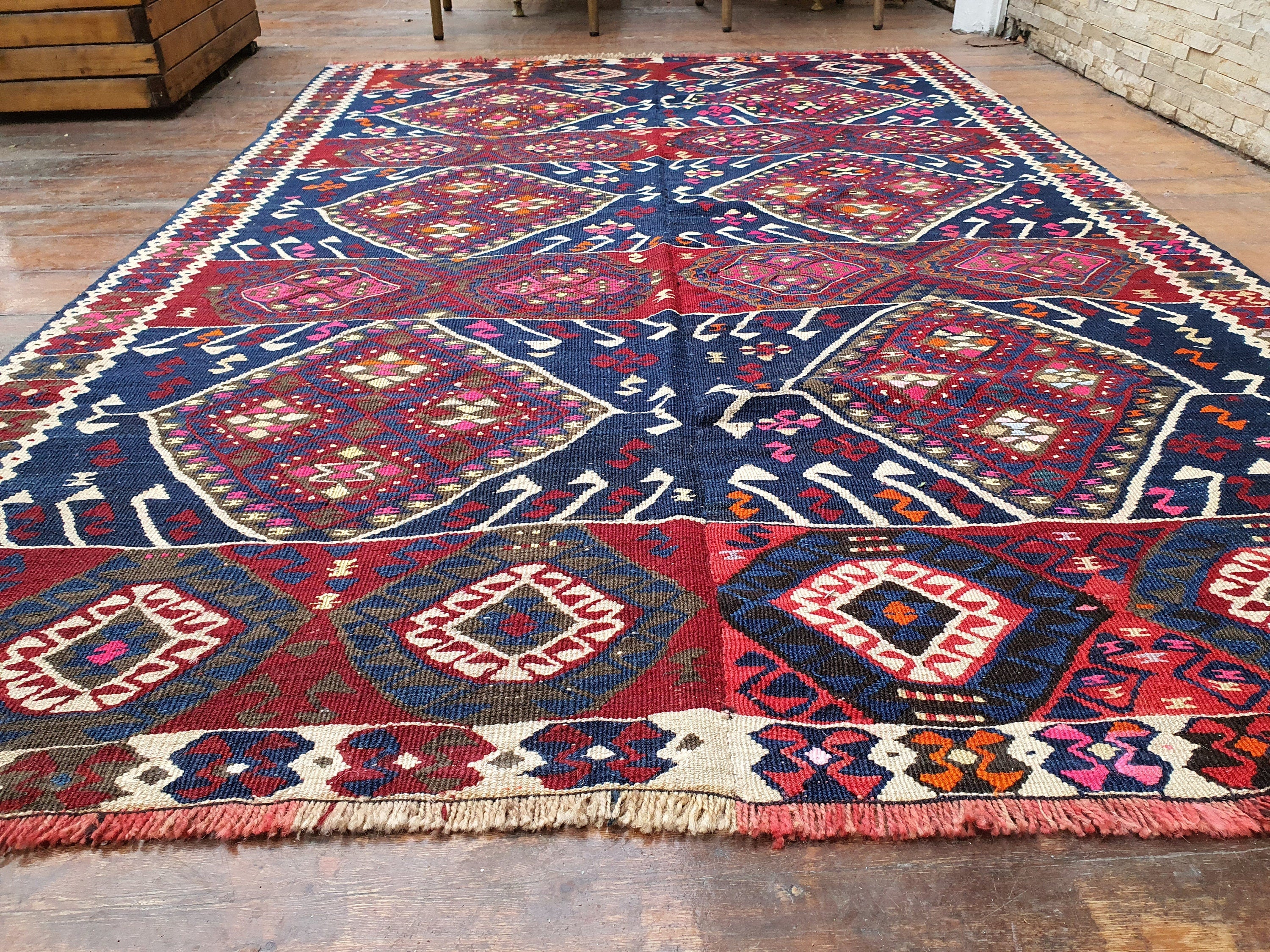
The sweet spot for the design-market buyer. These pieces are old enough to be unrepeatable but young enough to be widely available — for now. Prices in this segment have approximately doubled in the last decade in the European and American markets.
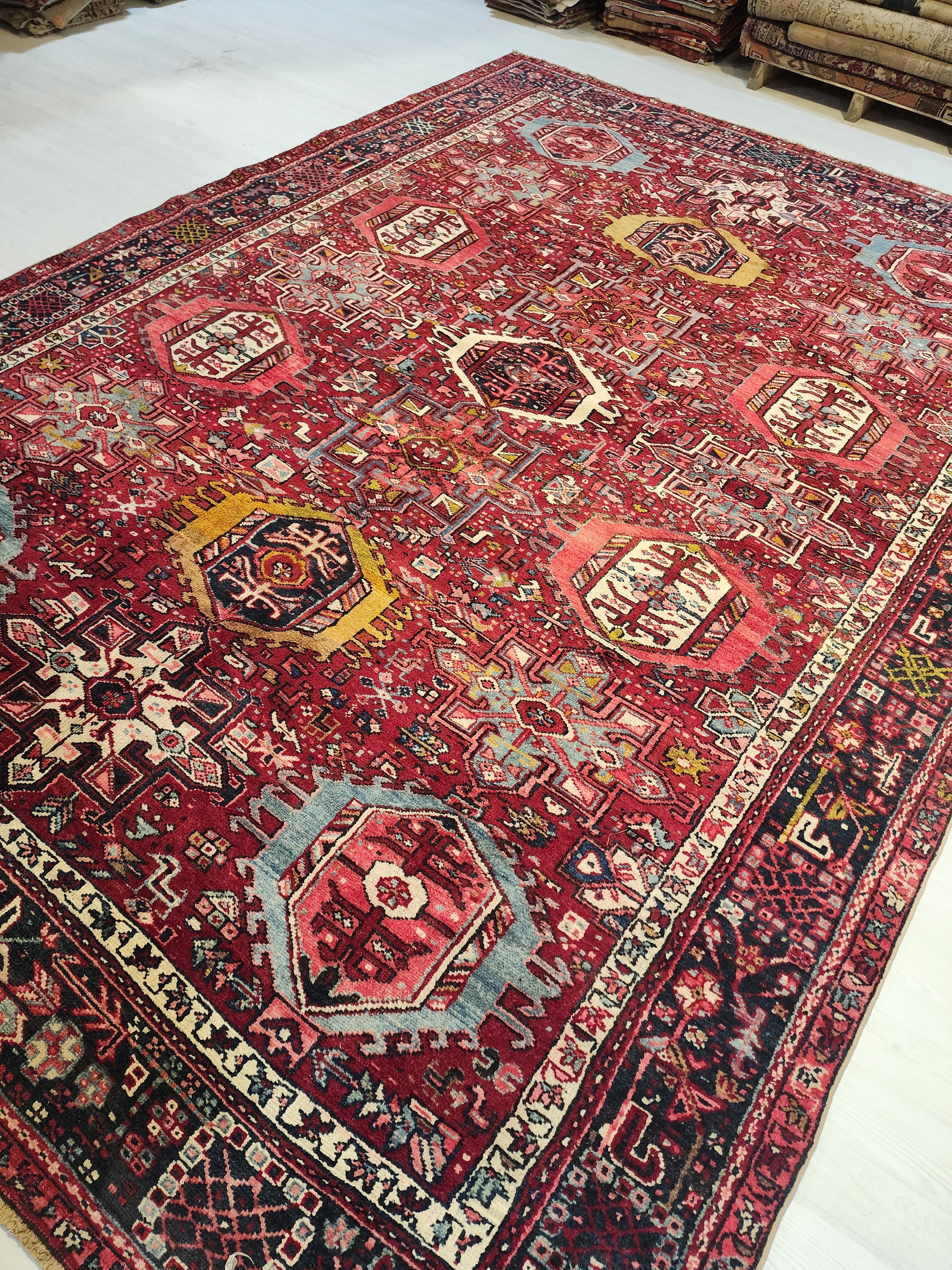
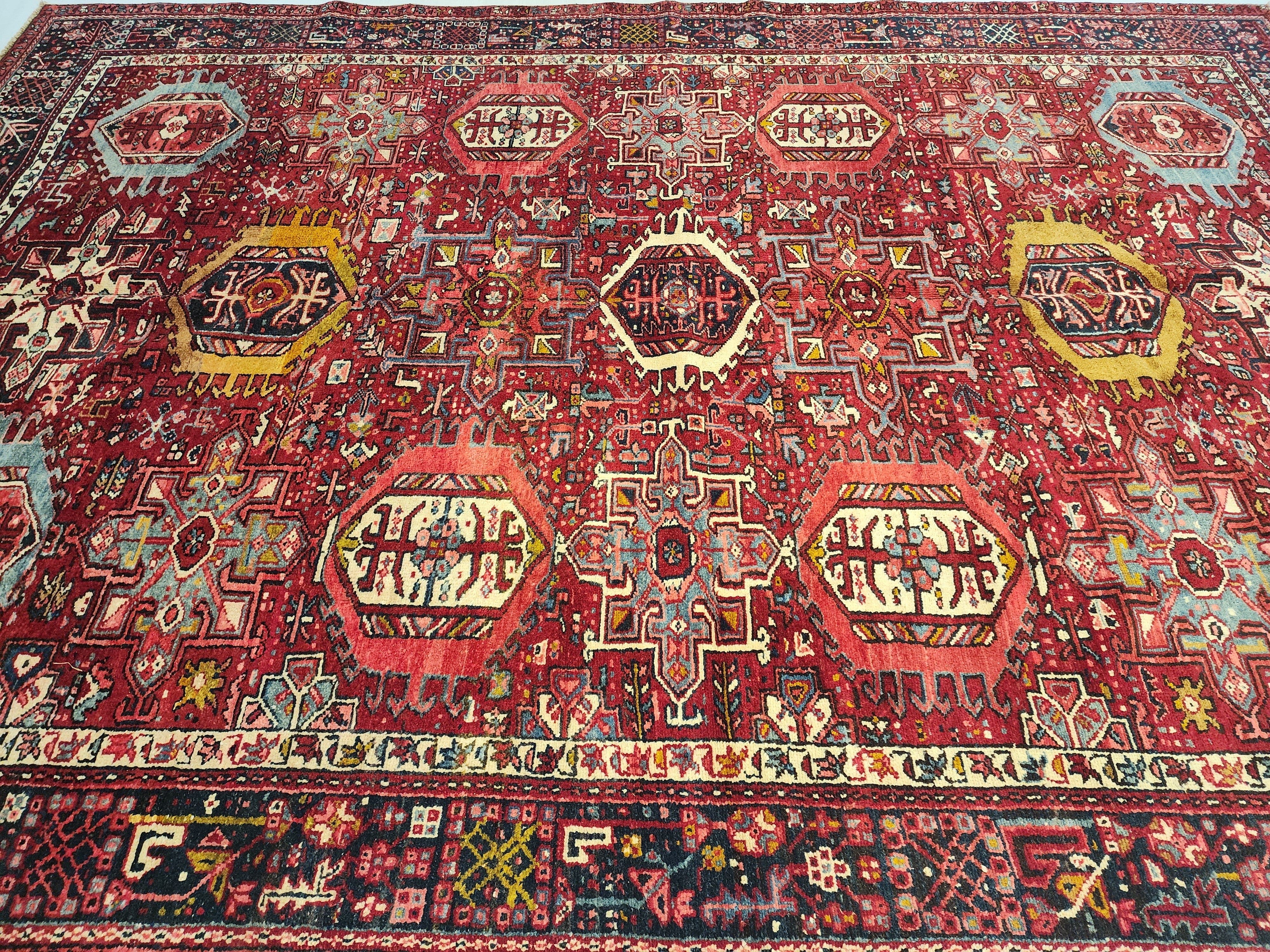
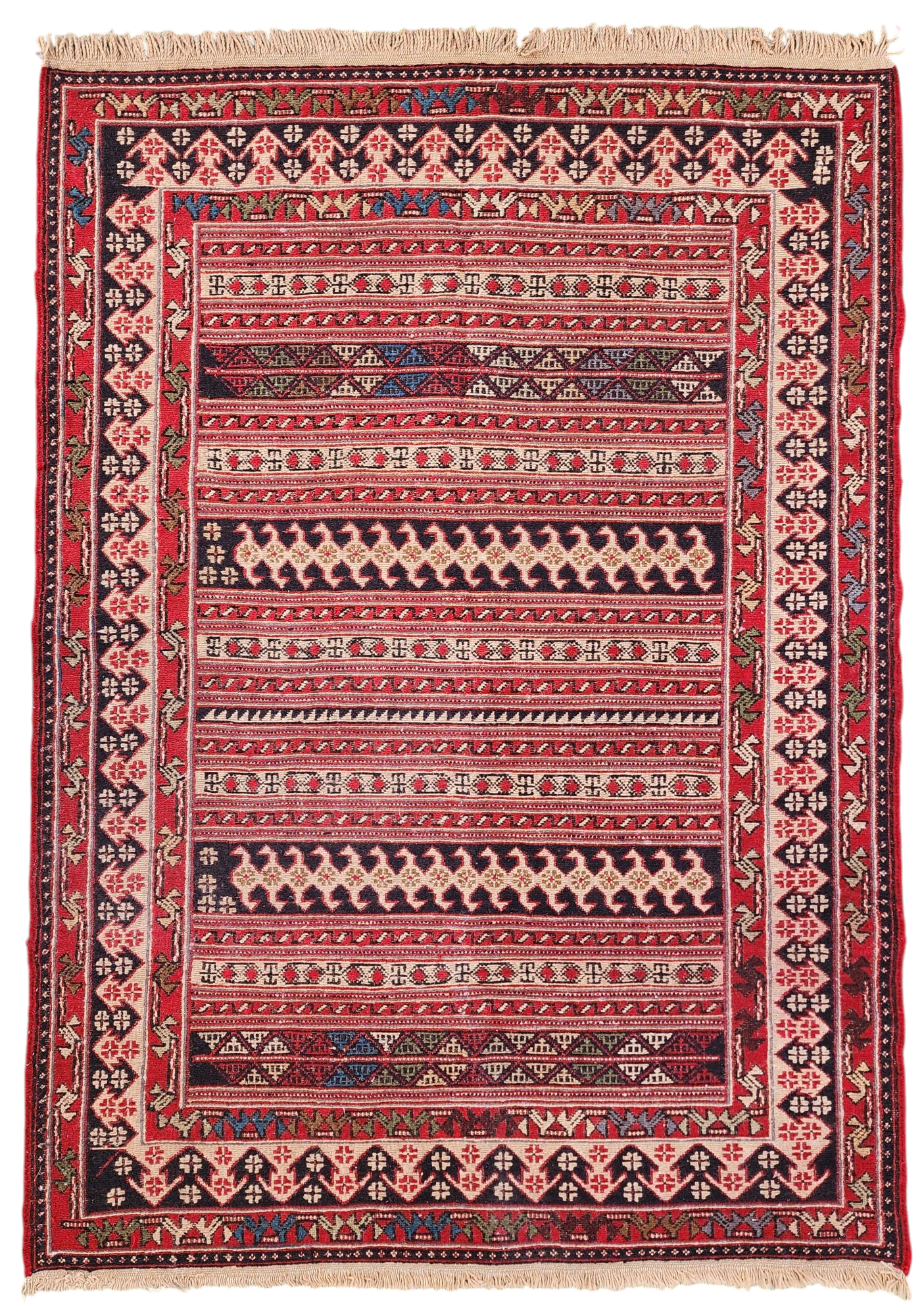
Our vintage rugs collection covers this range heavily.
Specific regions/styles in fashion
Vintage Oushaks. Konya tulus. Overdyed kilims. These have all had their moment in the last 15 years and price appreciation reflected that. Some categories that were undervalued — antique soumaks from eastern Anatolia, certain Caucasian pieces — may be the next wave.
What does not appreciate
Damaged or restoration-heavy pieces
A rug with significant damage, multiple patches, or aggressive restoration has limited resale potential. The market wants original condition. A heavily repaired antique can be worth a fraction of an unrestored one.
Synthetic-dye vintage
Mid-20th-century rugs woven with early synthetic dyes (especially the harsh aniline blues and reds) often fade poorly. Pieces from this category have not appreciated like their natural-dye contemporaries.
Wrong-size pieces
A 12×18 rug is harder to sell than a 9×12 rug because fewer rooms can accommodate it. A 4×6 is more flexible than a 4×5 because the proportions work for more uses. The market for very specific sizes (very large, very narrow runners, odd shapes) is thinner.
Anything machine-made, hand-tufted, or printed
Obvious but worth saying. These pieces have no resale market. They depreciate to zero within years.
The realistic returns
A few honest numbers from our market experience:
- A solid vintage Anatolian wool rug in good condition, bought today for $1,500, might be worth $1,800-2,400 in 10 years. That is roughly inflation-protected plus modest real appreciation.
- A fine antique Konya bought for $5,000-8,000 today might be $10,000-18,000 in 15 years if the supply tightening continues at current rates.
- A rare antique Hereke silk in excellent condition, bought at auction for $15,000, has appreciated 3-5× over the last 20 years for the best examples.
These are not stock-market returns. They are the kind of slow, low-volatility appreciation that you get on physical heritage objects with controlled supply. But unlike stocks, you can also walk on this investment every day.
The non-financial returns
The honest case for vintage rugs as investment is not that they will make you rich. It is that they are one of the few objects you buy where:
- The aesthetic value is real and lasting
- The use value is daily, for decades
- The resale value is non-zero, and often positive
- The object is meaningful — every rug has a story, a region, a maker
Compare that to almost any other category of household purchase. Your couch will not be worth anything in 20 years. Your TV will be in a landfill. Your rug, properly chosen and cared for, will still be a rug.
What to buy if you are buying for value
If your interest is partly investment, focus on:
- Antique over vintage if your budget allows. The supply constraint is tighter.
- Natural dyes verified. Synthetic dye pieces have less long-term value.
- Regional provenance documented. A piece with a known origin (specific village, weaving centre, dealer history) is worth more than a generic "Anatolian" piece.
- Standard usable sizes. 5×7, 6×9, 8×10, 9×12. These resell most easily.
- Original condition. Avoid heavily restored pieces if value-holding matters.
- Buy from dealers with traceable inventory. The provenance matters when you sell.
What to do if you are buying for joy
Most clients in our gallery do not buy rugs primarily for investment. They buy because they fell in love with a specific piece. This is the right reason to buy a rug. The fact that it might also appreciate is a bonus.
The piece you actually love and use is always more valuable than the piece you bought for theoretical resale value. Buy the rug that belongs in your home, not the one your spreadsheet says is the smartest purchase.
Final word
Vintage and antique Turkish rugs occupy an unusual niche. They are not financial investments in the strict sense. They are something better: a category of object where beauty, daily use, and value retention all happen at once.
If you are choosing between a $1,500 mass-produced sofa that will be worthless in 10 years and a $1,500 hand-knotted vintage Anatolian rug that will likely be worth more in 10 years, the choice is not even close.
Explore our current vintage rugs and antique rugs collections — each piece selected for the reasons above, with provenance and history documented when known.