Konya, Kayseri & Hereke: Anatolian Rug Regions Explained
When we say "Turkish rug," we are using a kind of shorthand. There is no single Turkish rug tradition — there are several, each rooted in a particular region, each shaped by its landscape, its sheep, and its people. Among the most distinctive are Konya, Kayseri, and Hereke.
Understanding the difference between these three is one of the fastest ways to develop an eye for Anatolian weaving. They are close enough geographically to feel related, but each one solves the puzzle of "how to make a rug" in its own way.
Konya — the heart of the Anatolian Plateau
Konya sits in the south of Central Anatolia, on a high, flat plain ringed by mountains. The region was the seat of the Seljuk Sultanate in the 11th to 13th centuries, and rug-weaving here is older than that. Some of the earliest surviving Anatolian carpets — the so-called Seljuk carpets in the Mevlana Museum — were discovered in Konya.
What defines a Konya rug:
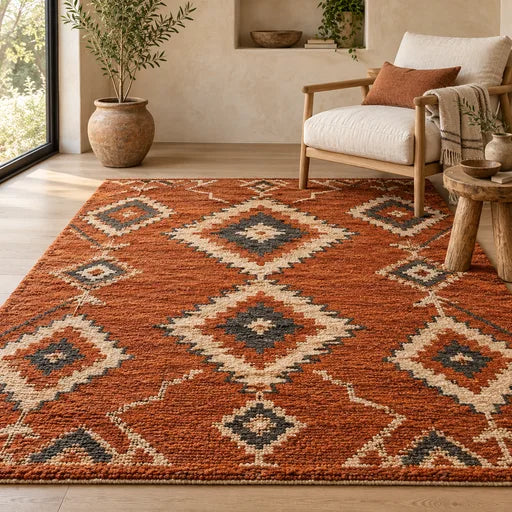
- Wool on wool — both the pile and the foundation are wool, giving a soft hand and good drape
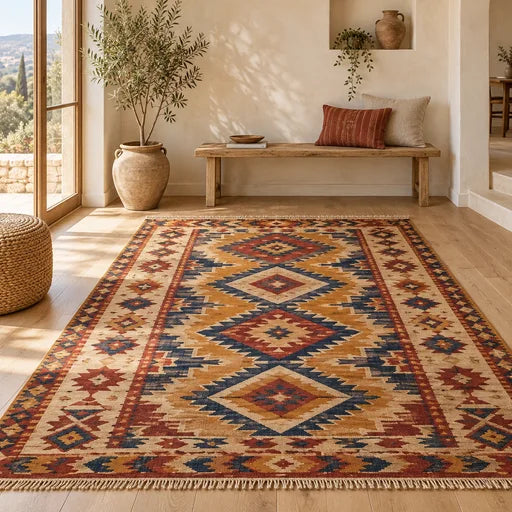
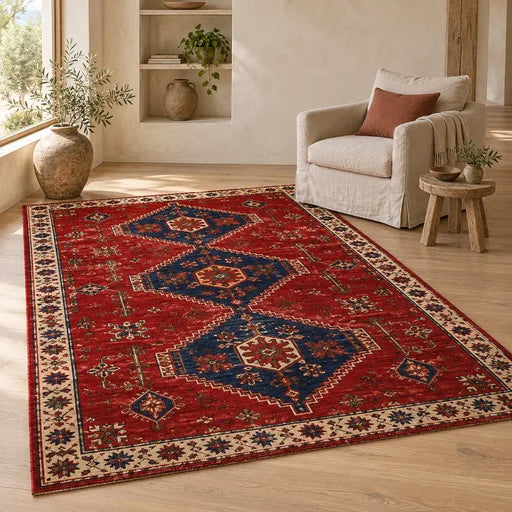
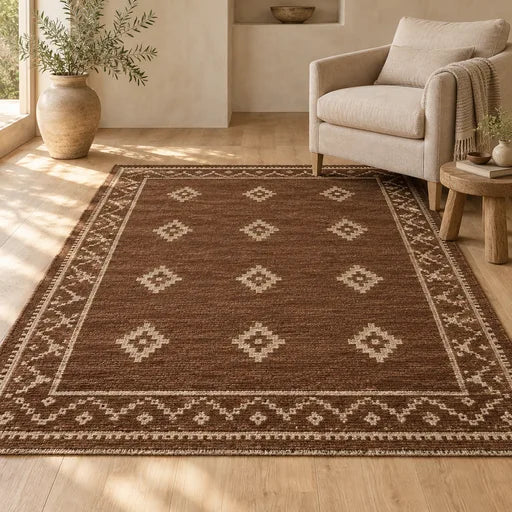
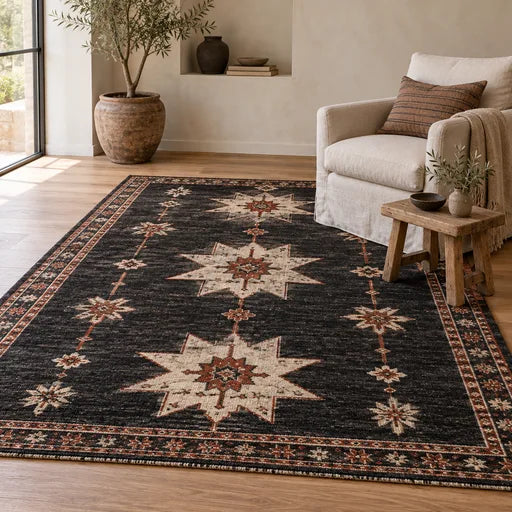
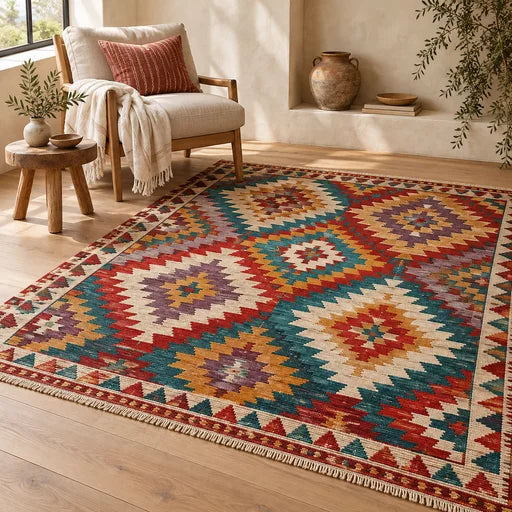
- Earthy palette — madder reds, dark browns, ivory, soft yellows, occasional indigo
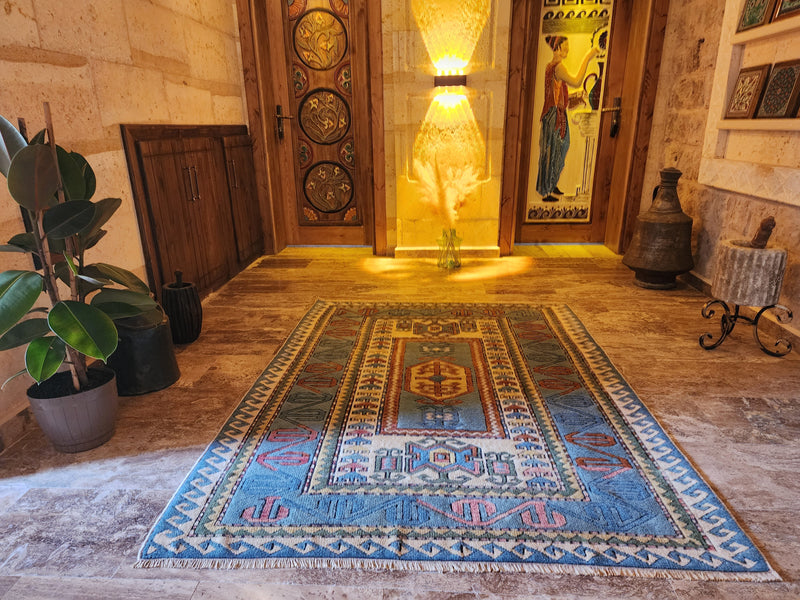
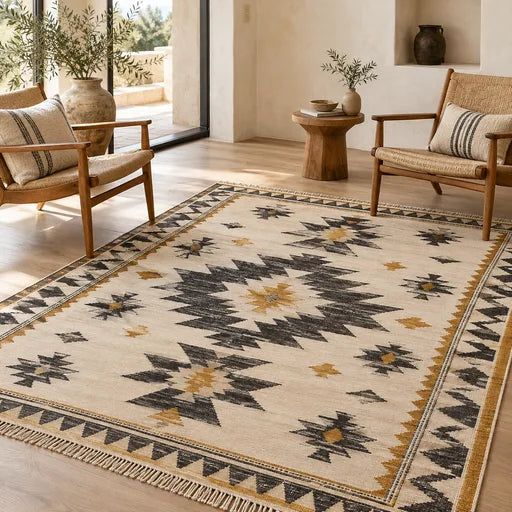
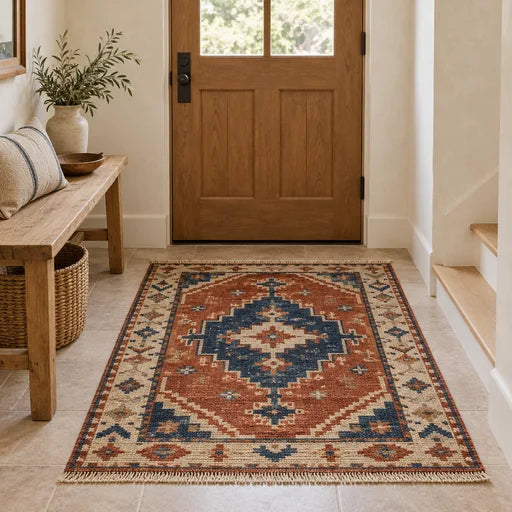
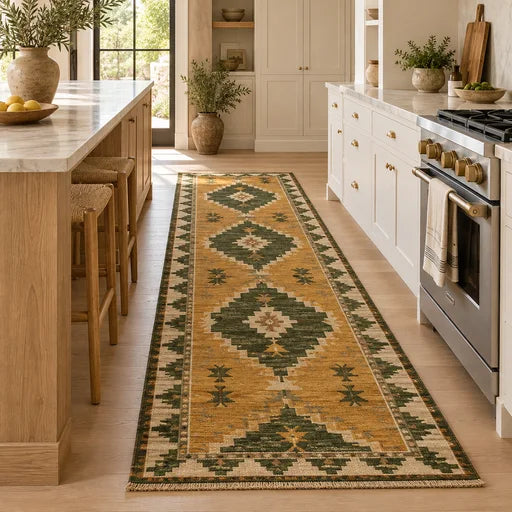
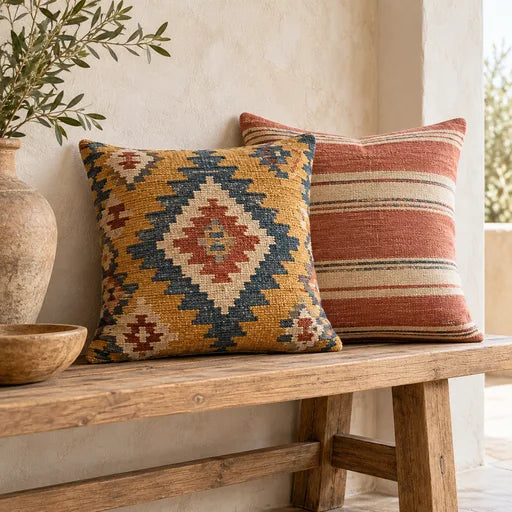
- Tribal geometric motifs — diamonds, stars, hooks, stepped medallions
- Lower knot density — typically 80-180 knots per square inch, allowing the bold pattern language
- A subtype: Konya Tulu — long-pile shaggy rugs woven by nomadic groups for warmth
Konya rugs feel like landscapes. They were made by villagers and nomads for their own use, before tourist demand reshaped any of the patterns. The colour palette comes from what grew locally — pomegranate skin, walnut hull, oak gall.
Kayseri — the sophisticated workshop tradition
Kayseri lies northeast of Konya, at the foot of Mount Erciyes, an ancient volcanic peak. The region has a much more cosmopolitan weaving history. While Konya is tribal-village, Kayseri leans workshop and commercial, with a tradition of weaving fine rugs for the urban market since at least the 19th century.
A Kayseri rug typically shows:
- Wool on cotton or silk on cotton — the cotton foundation allows for tighter weaving and finer detail
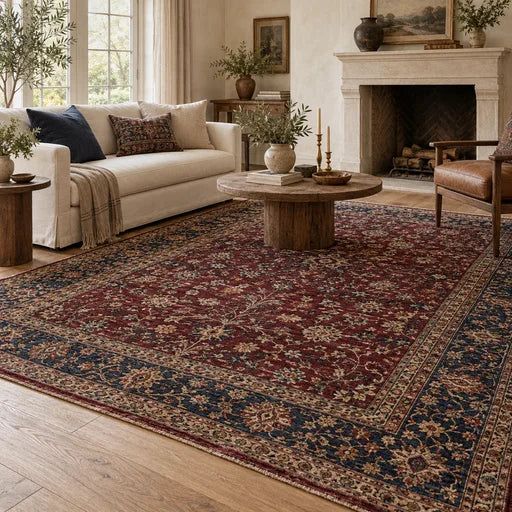
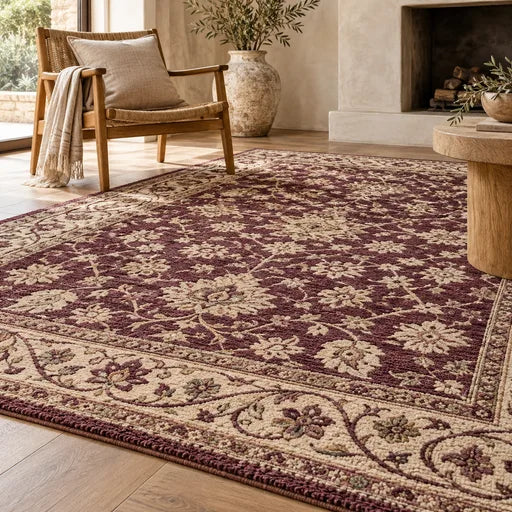
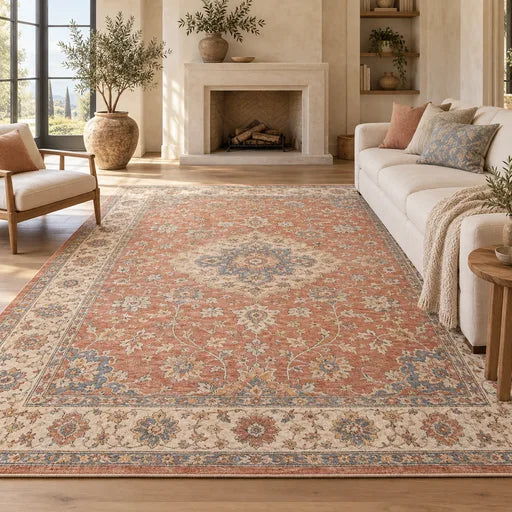
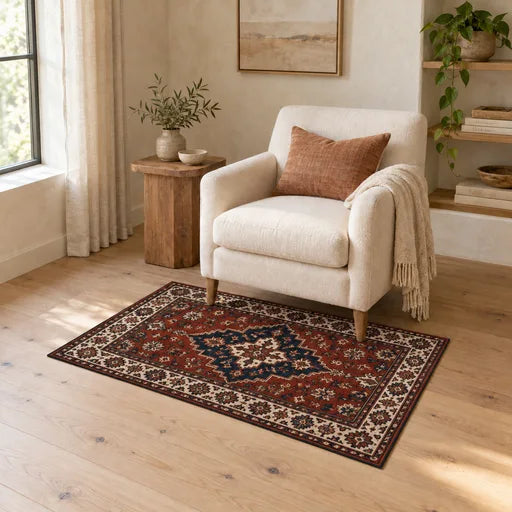
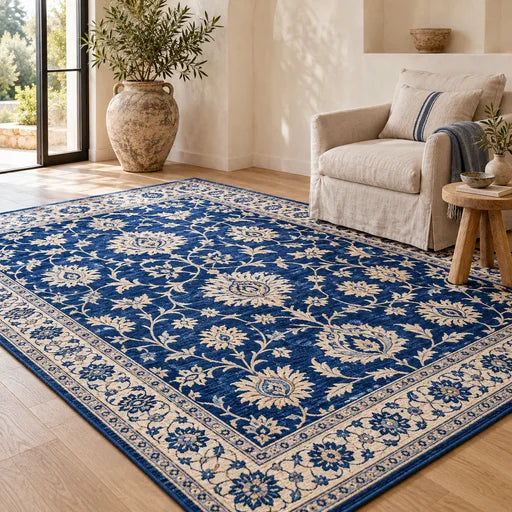
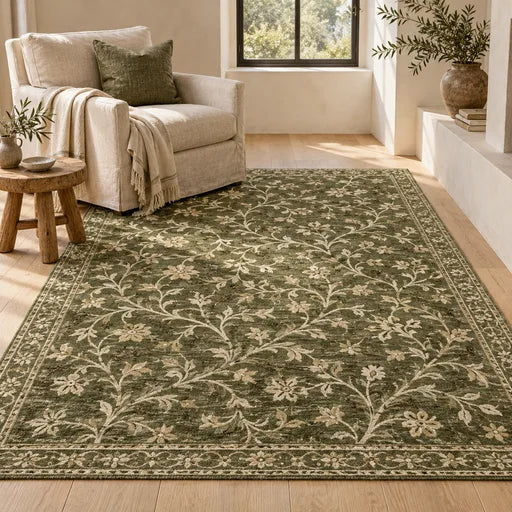
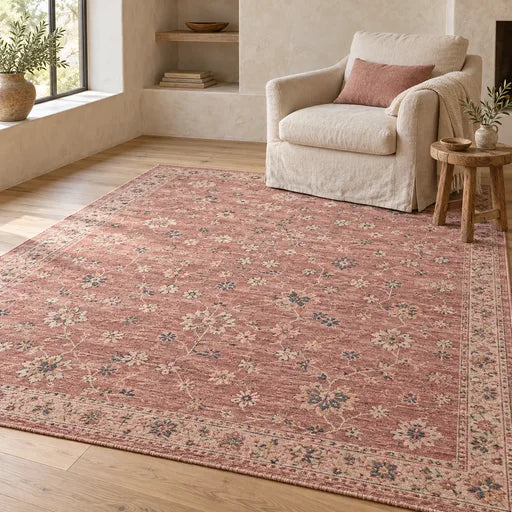
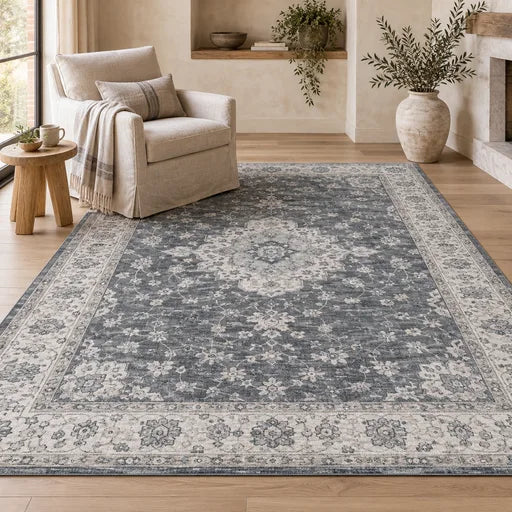
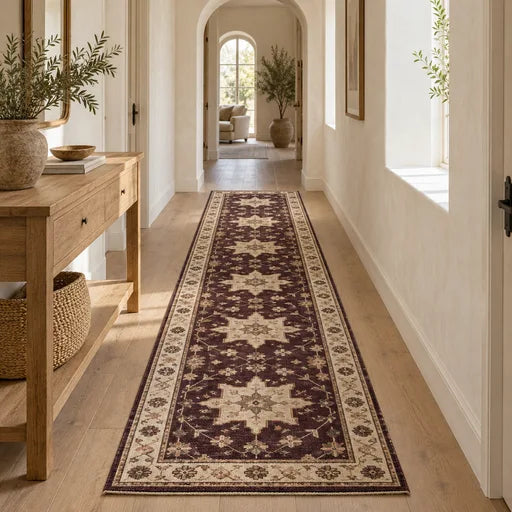
- Refined floral and medallion designs — often Oriental-influenced, with central medallions, corner spandrels, intricate vines
- Higher knot density — finer Kayseri can reach 400+ knots per square inch
- A wider colour palette — including pastels and silver-greens that you rarely see in village weaving
- Bamboo silk (viscose) variants — Kayseri also produces commercial bamboo silk rugs for the contemporary market
Kayseri rugs were the city alternative to village weaving. A merchant family in 1920s Kayseri might have a fine wool-on-cotton Kayseri in the parlour, while their cousins in a Konya village would have a hand-spun Konya wool rug on a packed-earth floor.
Hereke — the imperial weaving tradition
Hereke is not a region in the same sense. It is a single town on the eastern shore of the Sea of Marmara, founded as a weaving centre in 1843 by Sultan Abdülmecid to supply the Ottoman court. Hereke rugs were made for palaces, by master weavers brought in from across the empire — Bursa, Persia, the Caucasus.
What makes a Hereke rug unmistakable:
- Silk on silk or silk on cotton — the finest Herekes are pure silk, with metallic thread highlights
- Extreme knot density — 1,000+ knots per square inch is normal; the finest reach 4,000+
- Oriental-inspired designs executed at workshop precision — central medallions, hunting scenes, court motifs
- Small sizes more common — many Herekes are prayer rugs or small wall pieces, because of the labour
- Signatures — many Hereke rugs include a woven inscription (the master's name or simply "Hereke")
A genuine antique Hereke can be a five- or six-figure piece. They were never village rugs. They were diplomatic gifts, palace furnishings, museum pieces from the moment they came off the loom.
How to tell them apart in person
If you have all three side by side, the differences are immediate:
- Hand feel — Konya is the softest and chunkiest; Kayseri is firmer and finer; Hereke (in silk) is almost slippery
- The back — Konya knots are coarse and visible; Kayseri are tight; Hereke are so fine you almost cannot count them
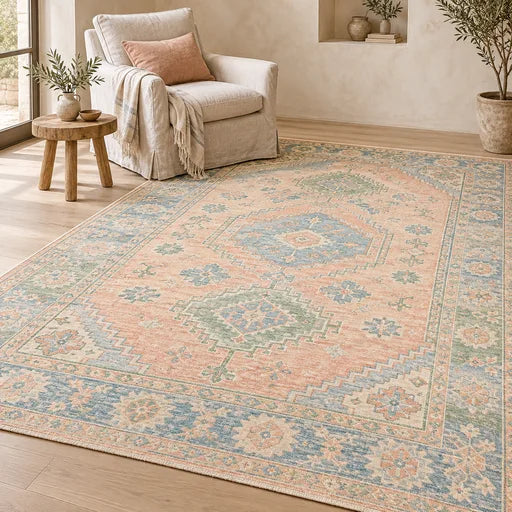
- Palette — Konya is earth tones; Kayseri spans village to refined; Hereke can include peach, cream, soft pastels
- Weight — Konya is heavy for its size; Kayseri medium; pure silk Hereke is surprisingly light
Which one is right for your space?
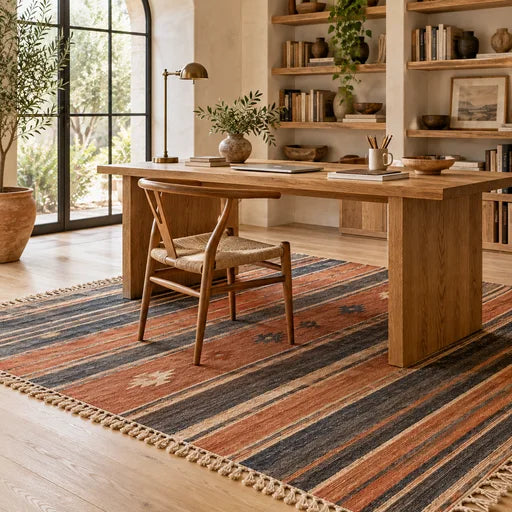
- Konya belongs in a casual, characterful room — boho, rustic, farmhouse, eclectic. It can take heavy foot traffic and only looks better with age.
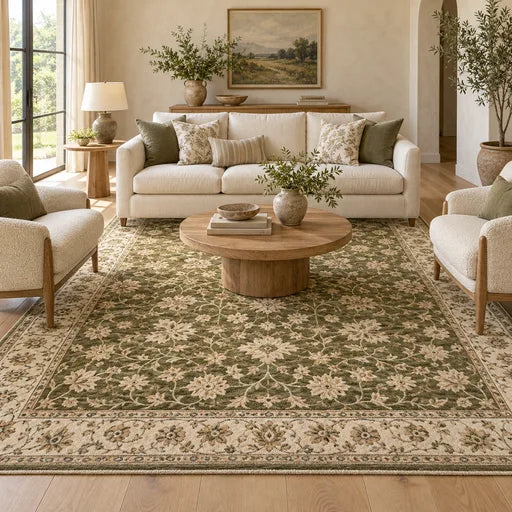
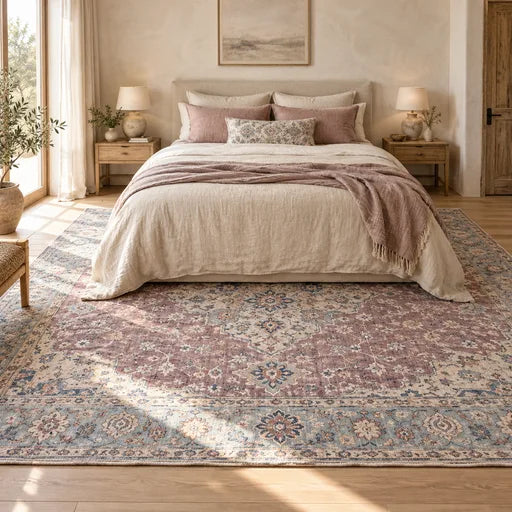
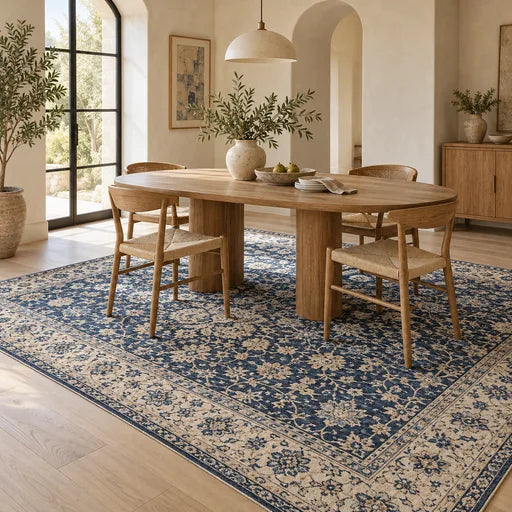
- Kayseri is the all-rounder. Wool Kayseris work in living rooms, dining rooms, formal spaces. Silk Kayseris belong somewhere protected, like a bedroom or a low-traffic study.
- Hereke is for collectors or for specific roles — a wall hanging, a centrepiece on a side table, a small accent in a refined room.
A regional note
We have sourced rugs from villages in all three regions for over twenty years. The weavers in Konya often still spin their own wool. The Kayseri workshops we work with run by family lineage. The remaining Hereke weavers are now mostly older women — younger generations have moved to other work. Each piece we list from these regions is, in a literal sense, getting harder to replace.
Final thought
"Turkish rug" is a label. The real story is regional: which village, which loom, which palette of locally available dyes. If you can tell a Konya from a Kayseri at twenty feet, you understand more about Anatolia than most rug shoppers ever will.
Browse our current collections from each region: Konya rugs, Kayseri rugs, and our broader Anatolian rugs selection.