

Artículo: How to Choose a Rug Colour and Pattern for Any Room
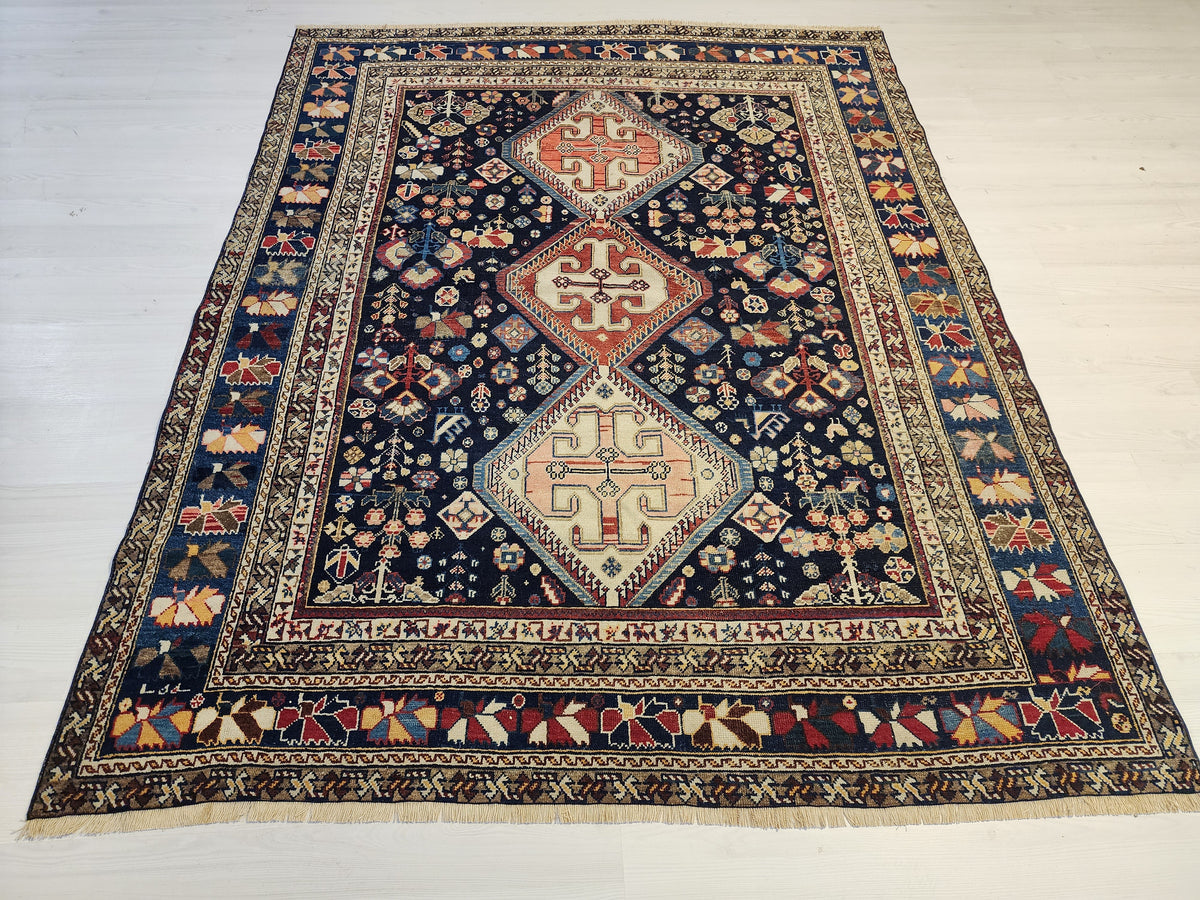
How to Choose a Rug Colour and Pattern for Any Room
Quick answer: To choose a rug color and pattern, look at the room first. Pick two or three colours already in the sofa, walls or floor and choose a rug containing them. Use a bold pattern in a plain room, a quiet or faded one in a busy room, and vary pattern scale so designs do not compete.
Start With the Room, Not the Rug
Most people pick a rug the way they pick a painting: they fall for one and then try to make the room agree with it. That works, but it is easier to do the opposite. Look at what the room already contains, then choose a rug that either blends with it or deliberately stands apart.
Before you browse, write down four things:
- The dominant floor tone. Pale oak, dark walnut, grey concrete, terracotta tile and cream carpet all push a rug's colours in different directions.
- The largest block of colour. Usually the sofa, the bed or the walls. The rug does not have to match it, but it should not fight it.
- How busy the room already is. Patterned curtains, striped cushions and a gallery wall all count as pattern.
- How the room is used. A hallway or dining room takes more wear and more dirt than a bedroom, which affects how much pattern you want.
Size comes before colour. A beautiful rug that is too small looks like a mistake, so settle the dimensions first with our guide to choosing the right rug size for every room, then narrow down colour and pattern.
How Do You Choose a Rug Colour That Works?
A reliable method is the 60-30-10 rule, borrowed from interior design. Roughly 60 percent of a room is a dominant neutral (walls, large furniture), 30 percent is a secondary colour, and 10 percent is an accent. A rug usually plays the 30 or the 10, depending on its size and strength.
In practice, that gives you three routes:
- Blend. Choose a rug in the same family as your walls or sofa, a little deeper or lighter. The room feels calm and larger.
- Contrast. Choose a rug in a clearly different colour, such as a deep red under a grey sofa. The rug becomes the focal point.
- Bridge. Choose a multicoloured rug that contains two or three colours already in the room. This is the most forgiving option and the one we recommend for first-time buyers.
Anatolian rugs are particularly good at bridging. Traditional palettes are built from a handful of dye colours: reds from madder root, blues from indigo, yellows and greens from weld and other plants, plus natural undyed wool in ivory, camel and brown. Because these colours were made to sit together on one loom, they rarely clash with each other. If you are curious how that works, we describe the process in our article on natural dyes and Anatolian rug colours.
What each colour family does in a room
| Colour family | Effect | Works well with |
|---|---|---|
| Red and rust | Warm, grounding, draws the eye | Grey, cream, dark wood, leather |
| Blue and indigo | Calm, cool, adds depth | Whites, tan leather, natural linen, warm wood |
| Beige, cream, ivory | Light, quiet, makes a room feel larger | Almost everything; good with bold sofas |
| Green and sage | Soft, natural, relaxed | Wood, plants, cream, terracotta |
| Yellow and mustard | Sunny, lively | Navy, grey, charcoal, walnut |
| Brown and camel | Earthy, hides marks | Cream walls, stone, black metal |
You can browse by colour in our red rugs, blue rugs and neutral rugs collections.
Which Rug Pattern Suits Your Space?
Turkish and Anatolian rugs fall into a few broad pattern families. Each one behaves differently once it is on your floor.
Geometric and tribal
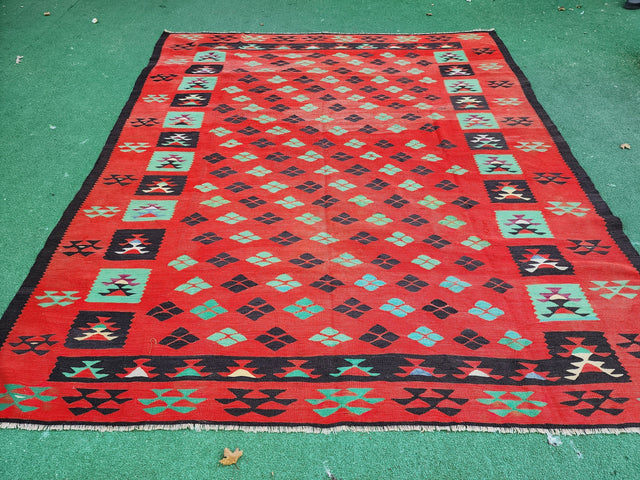
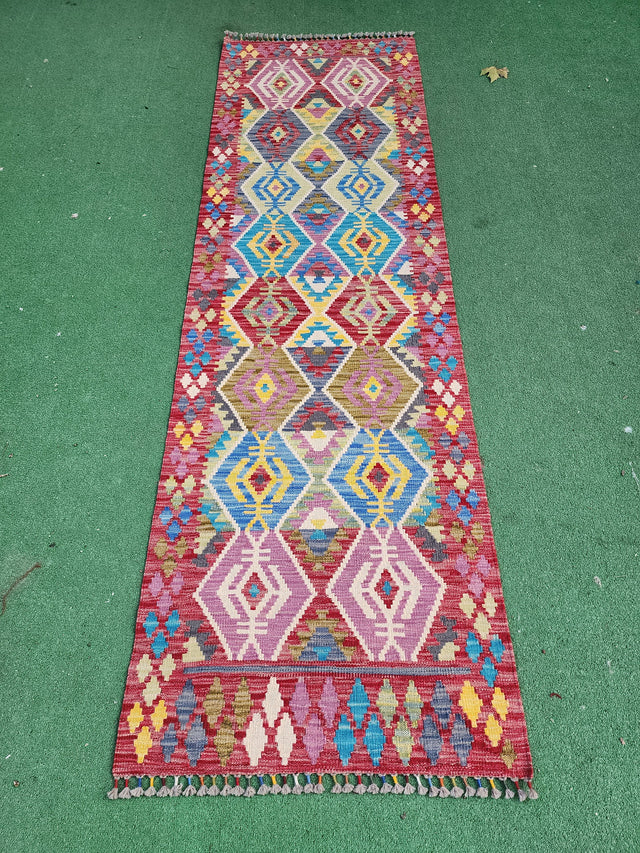
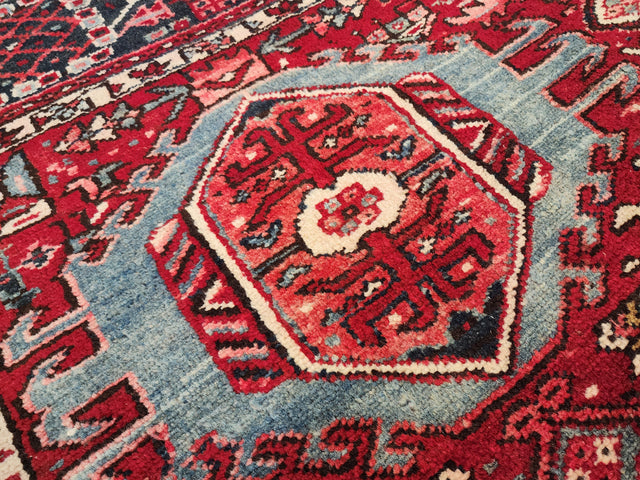
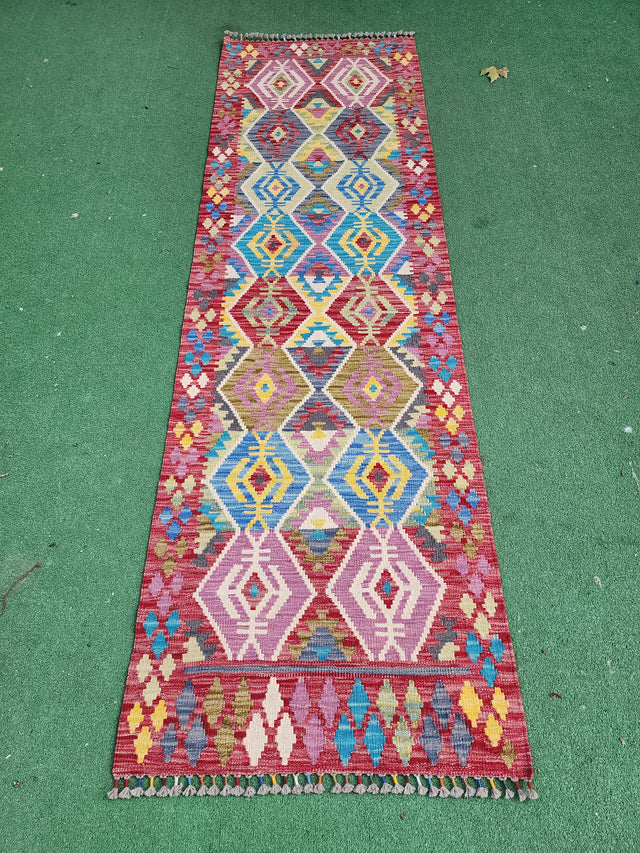
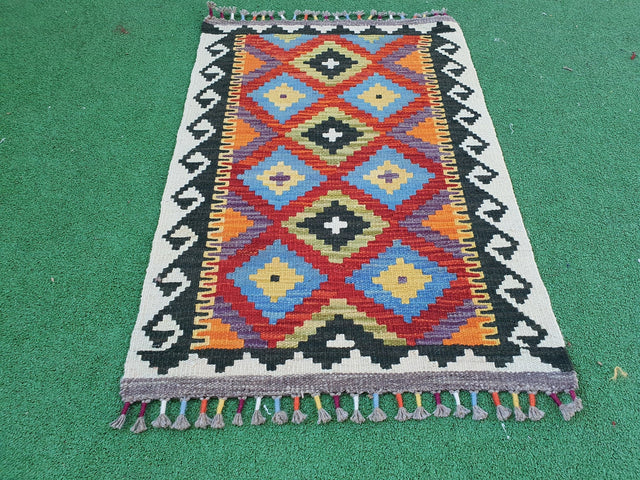
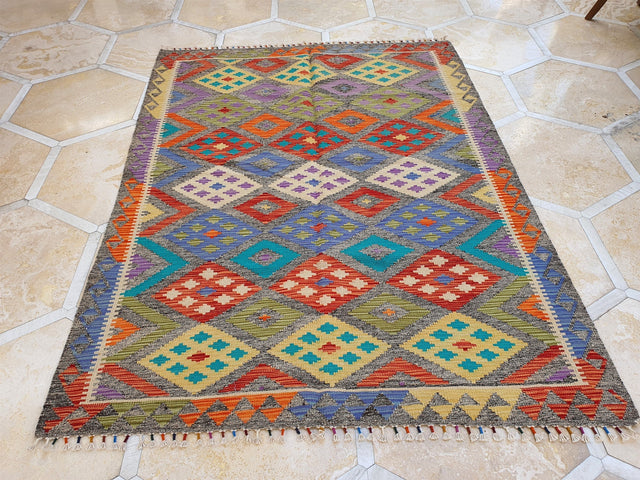
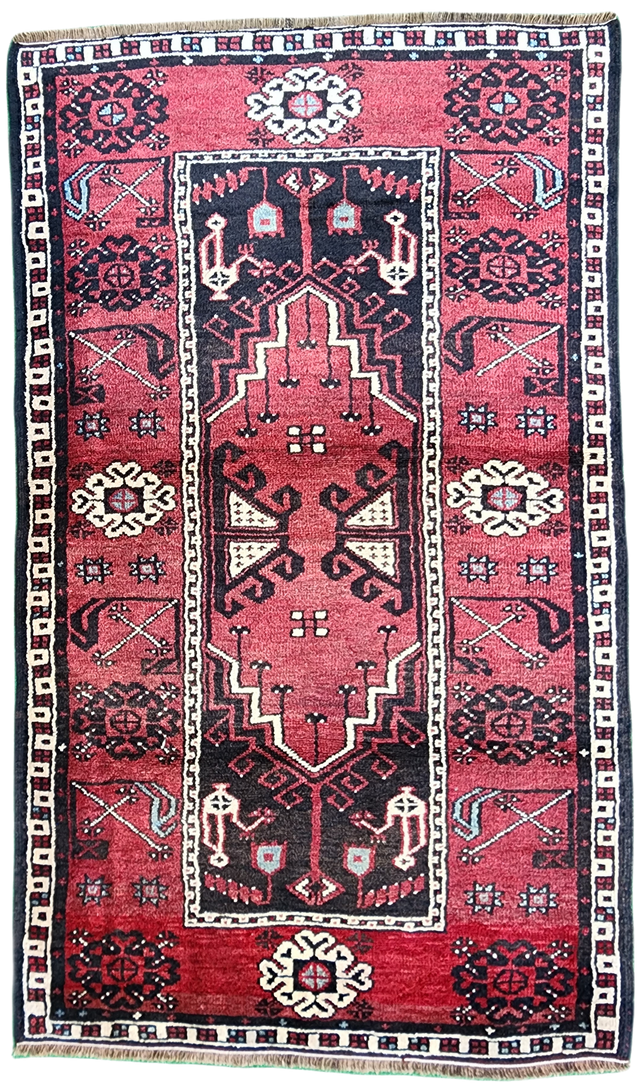
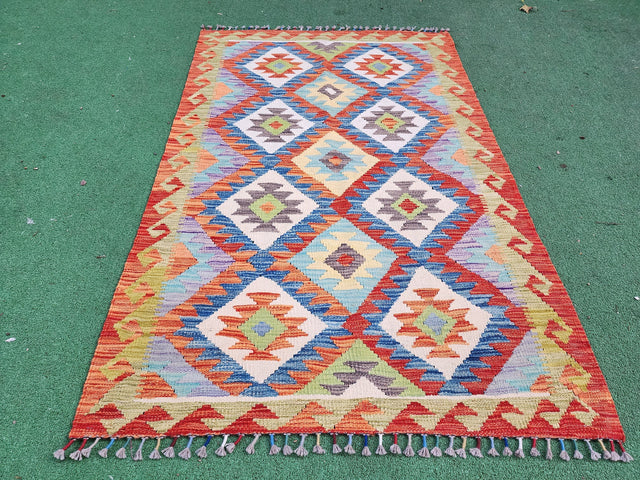
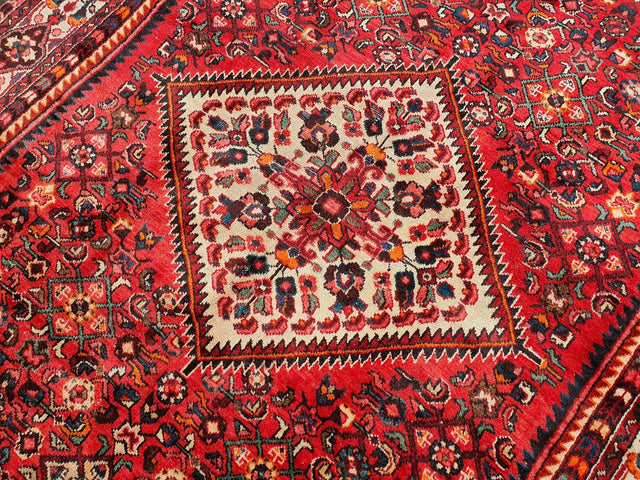
Diamonds, hooked motifs, stepped lines and repeating bands. These patterns read as bold from a distance and are very forgiving of crumbs, pet hair and footprints. They suit modern rooms with clean lines, because the geometry echoes the furniture. Browse geometric rugs to see the range.
Medallion
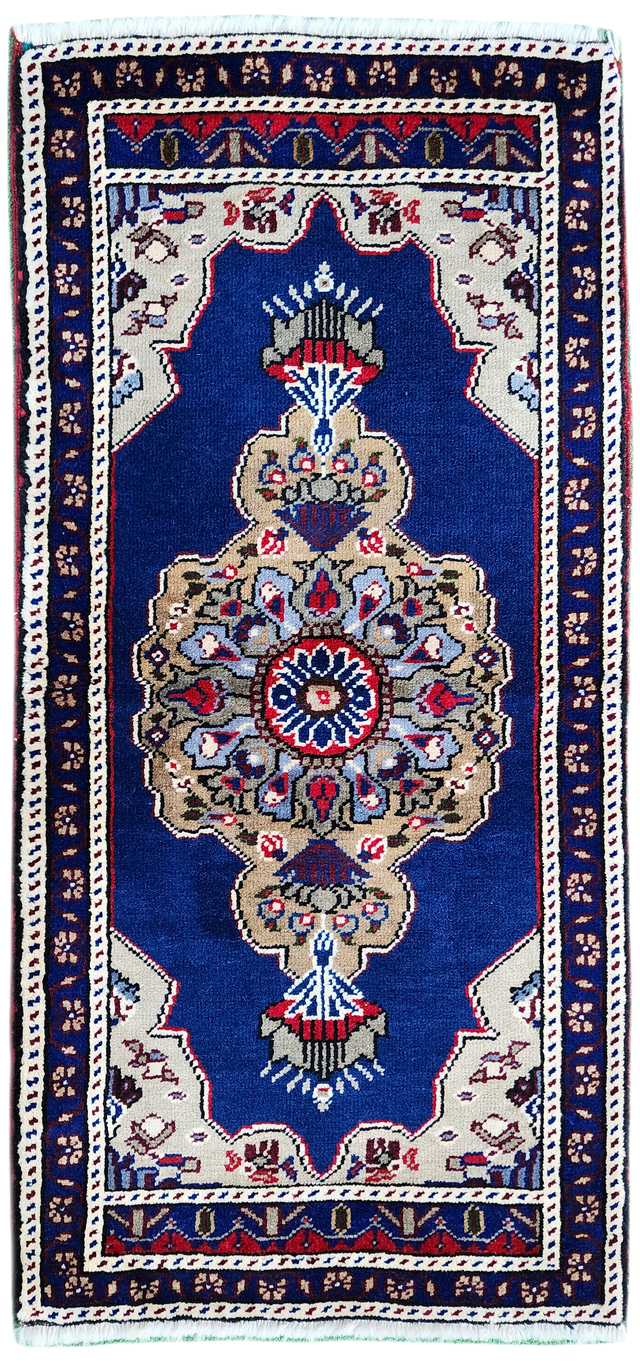
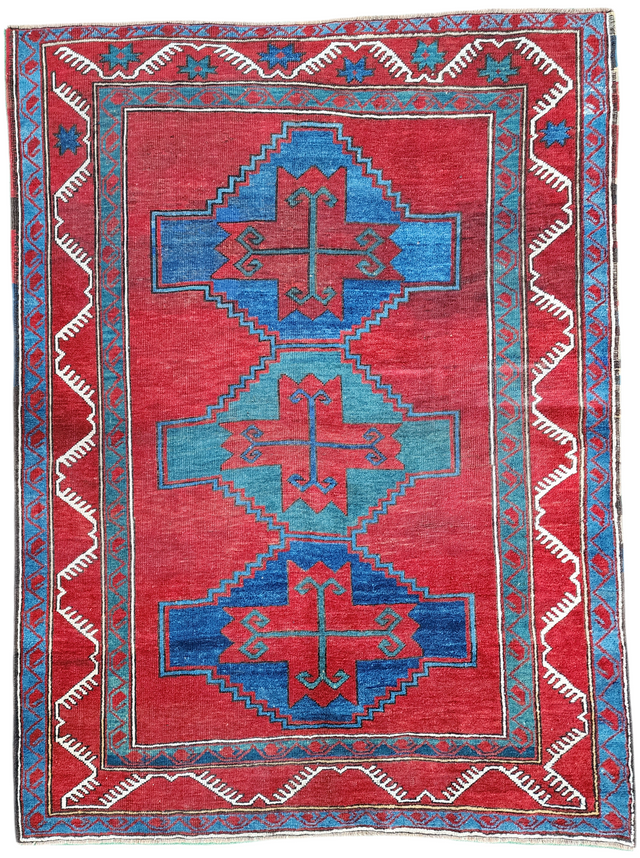
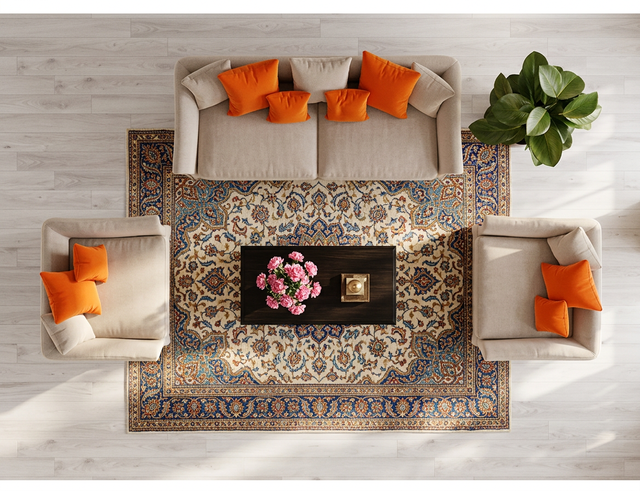
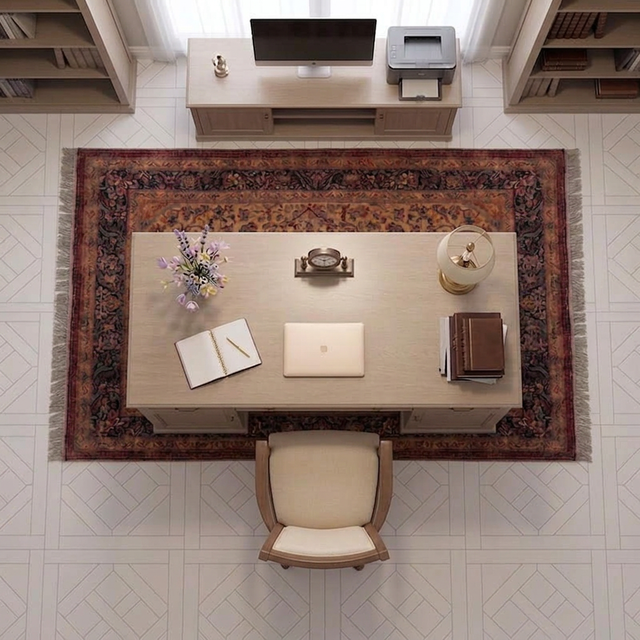
A central motif, repeated or single, often with corner pieces. Medallions give a room a clear centre, which is helpful under a dining table or in the middle of a seating group. A medallion rug looks best when the furniture is arranged around it, not pushed against it.
Floral
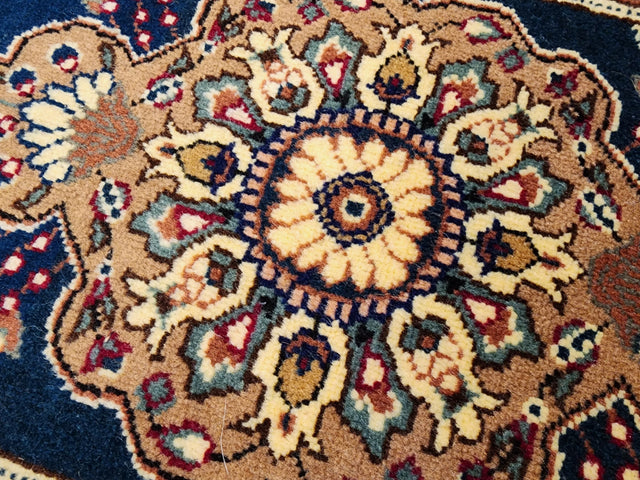
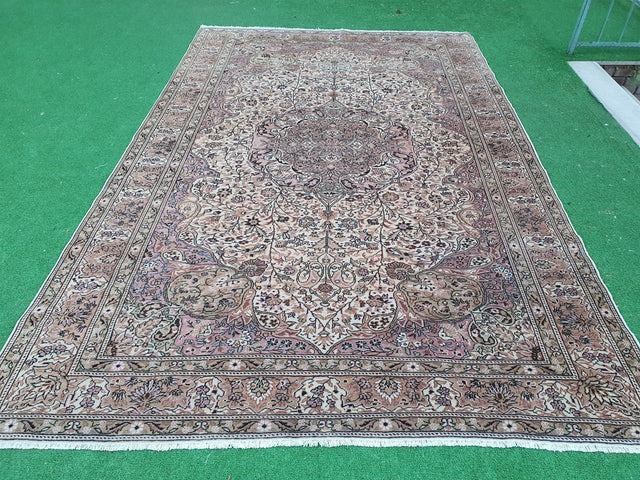
Stylised flowers, vines and borders, common in Kayseri and Hereke-style weaving. Florals soften angular furniture and suit bedrooms and traditional living rooms. Our floral rugs range from delicate and pale to deep and formal.
Allover and abrash
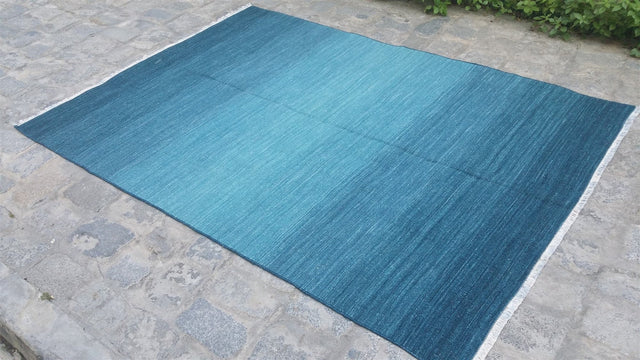
Oushak and overdyed rugs often have an allover soft pattern with gentle colour variation, known as abrash. This quietly textured look works as a neutral even when it contains several colours.
Kilim stripes and bands
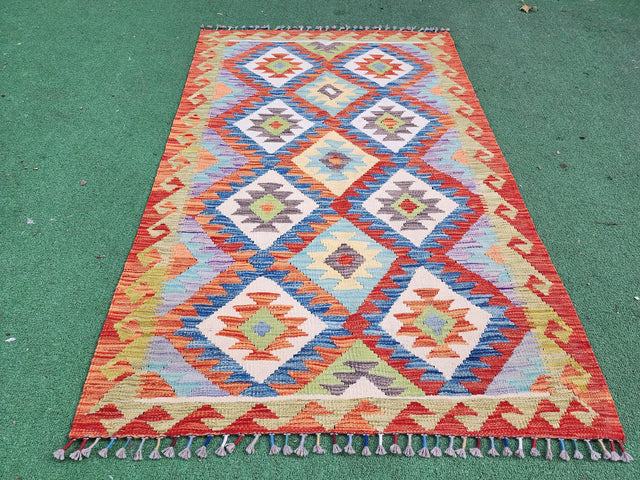
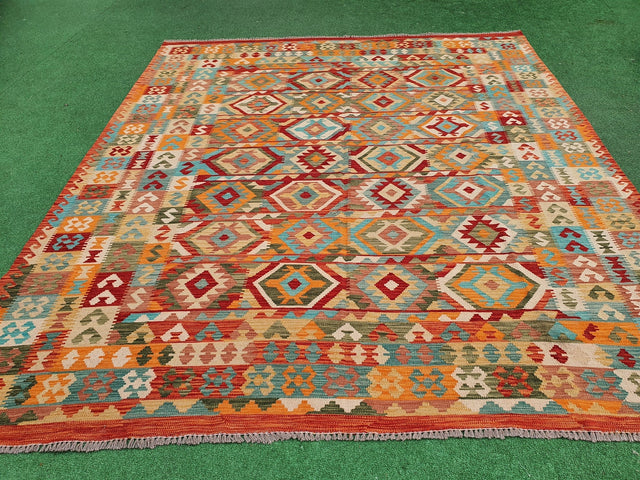
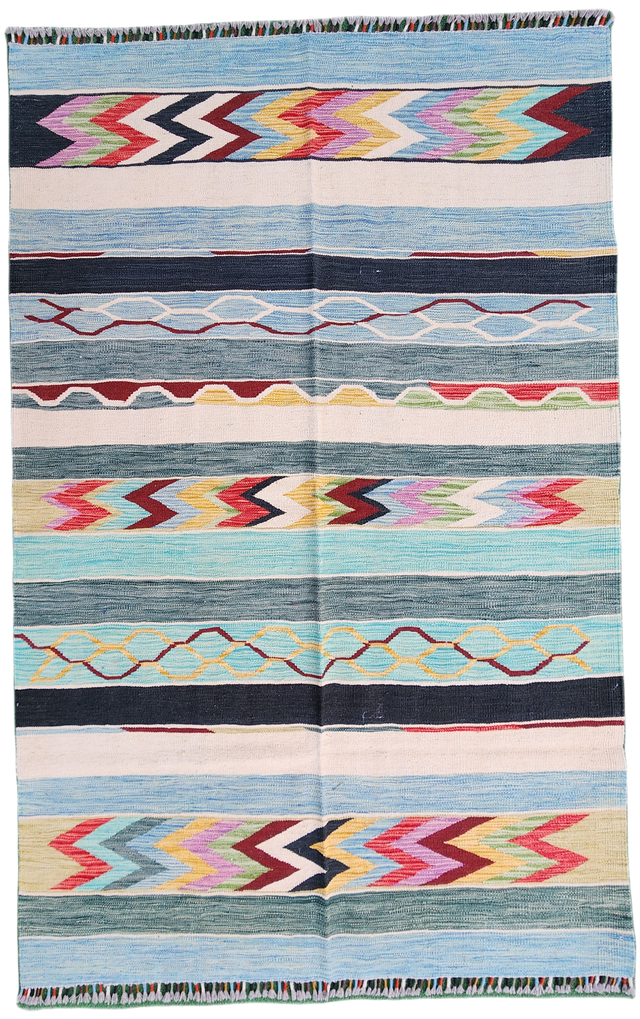
Flat-woven kilims tend toward horizontal bands and graphic shapes. They are lighter and thinner than pile rugs, so they are well suited to kitchens, hallways and layering.
How Much Pattern Is Too Much?
The question is not whether you can combine patterns, but how you scale them. A simple guide:
- Busy room, quiet rug. If you already have patterned cushions, curtains and wallpaper, choose a rug with low contrast or a plain, faded, allover design.
- Plain room, bold rug. If walls and sofa are solid colours, a high-contrast medallion or geometric rug adds all the interest you need.
- Vary the scale. Pair a large-scale rug pattern with smaller-scale cushion or curtain patterns, or the reverse. Two patterns at the same scale compete.
- Repeat one colour. Pick one colour from the rug and echo it in a cushion, a throw or a vase. This ties the pattern to the room without matching everything.
Cushions are an easy way to test this. Covers made from rugs and kilims share the same palettes, so a pillow cut from a similar family will look intentional beside your rug. See our guide to rug and pillow combinations.
Practical Matters: Wear, Light and Maintenance
Colour and pattern are also practical choices.
Hiding dirt
Mid-tone rugs with medium-scale pattern hide wear best. Pure cream shows every mark, and very dark solids show lint and dust. If you have children, pets or a front door that opens straight into the room, lean toward a patterned rug in reds, browns or blues. Wool is naturally resistant to soiling, and most spots can be treated early; see our guide to cleaning a wool rug at home.
Daylight
A rug looks different in a north-facing room (cooler, greyer light) than in a south-facing one (warmer, yellower). Warm reds and golds can feel heavy in a dim room, while pale blues can look flat. If possible, view the rug against your own daylight, and look at photos at different times of day.
Fading
Direct sun will lighten any rug over time. If a rug will sit in a sunny window, either accept a gradual softening or rotate it every few months. Many people actually seek out the faded look; our piece on fixing a faded rug explains what is natural and what is damage.
Choosing by Room
| Room | Colour suggestion | Pattern and size suggestion |
|---|---|---|
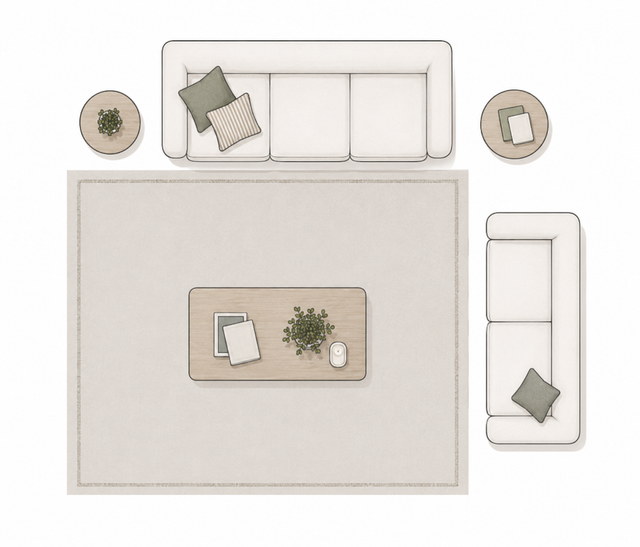
| Living room | Bridge colours from sofa and walls | Medallion or geometric, 8x10 ft (240x300 cm) or 6x9 ft (180x275 cm) |
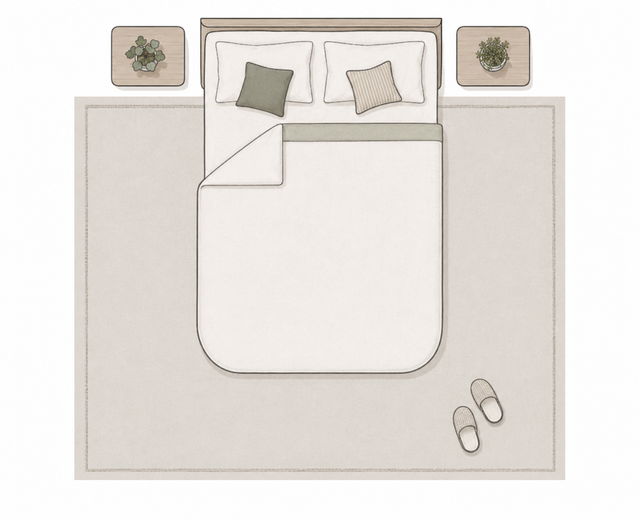
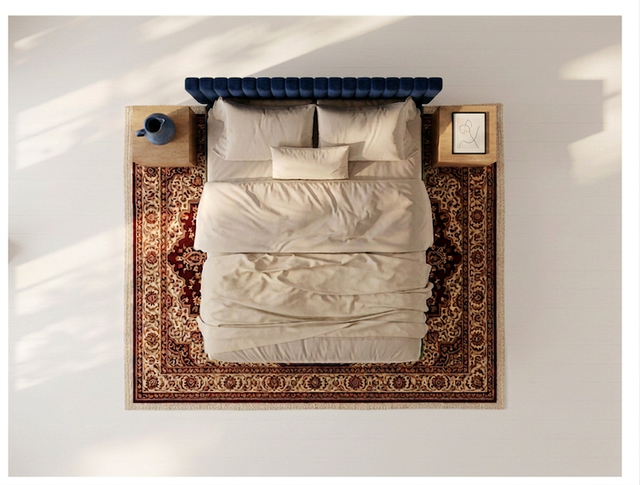
| Bedroom | Soft, muted, warm neutrals | Floral or allover, extending 2 ft (60 cm) beyond the bed |
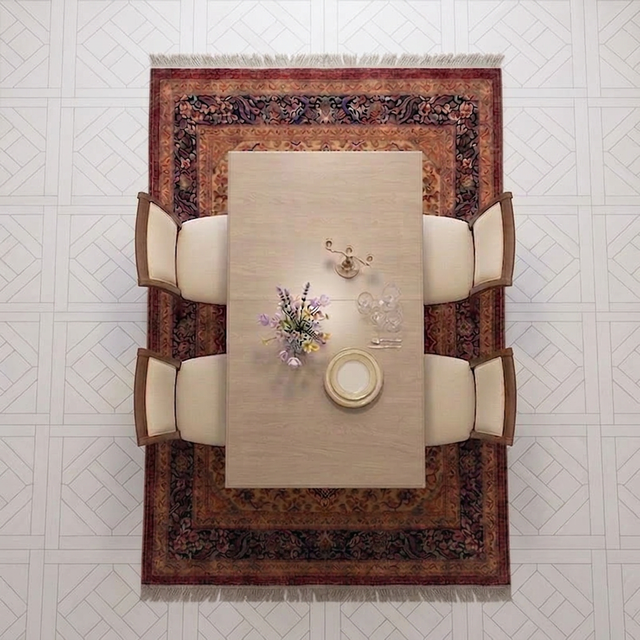
| Dining room | Mid-tone, hides crumbs | Geometric or allover pattern |
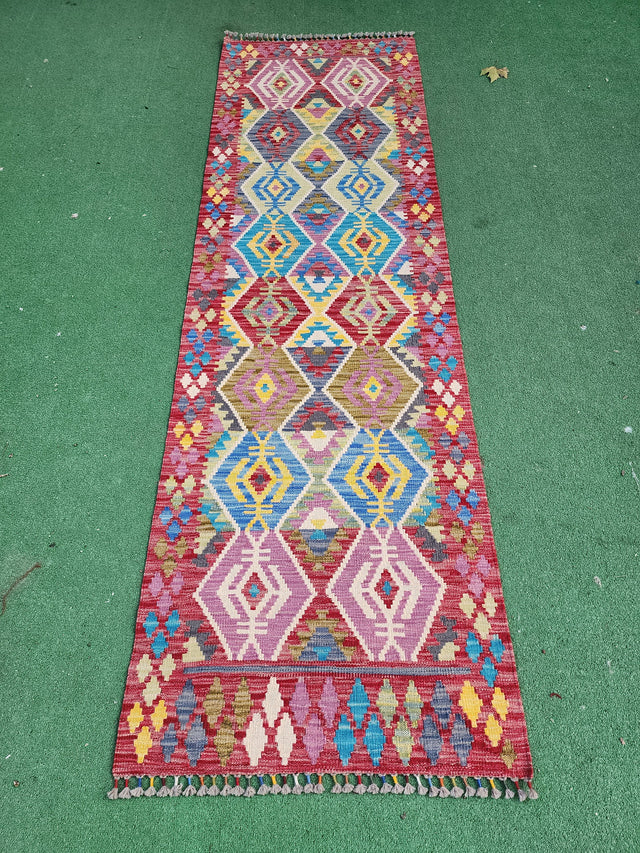
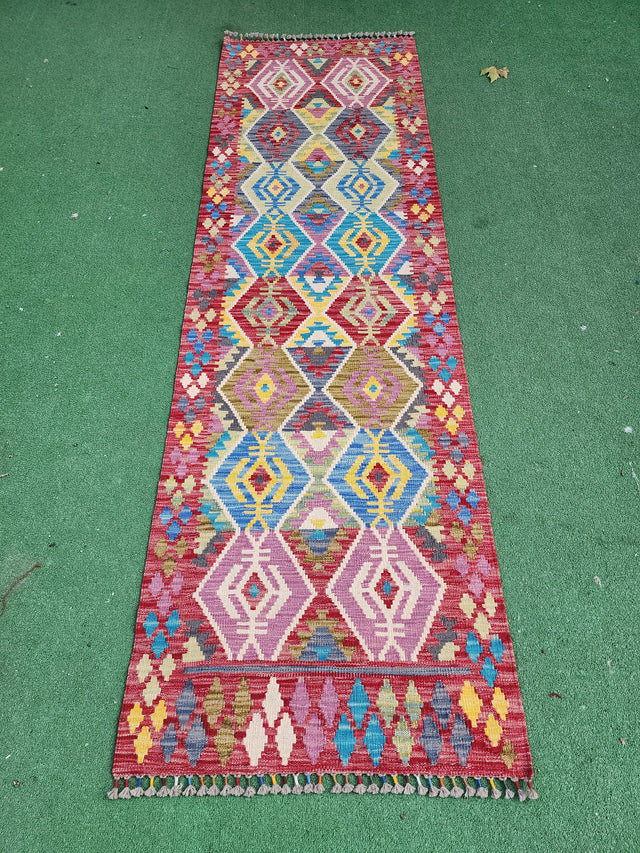
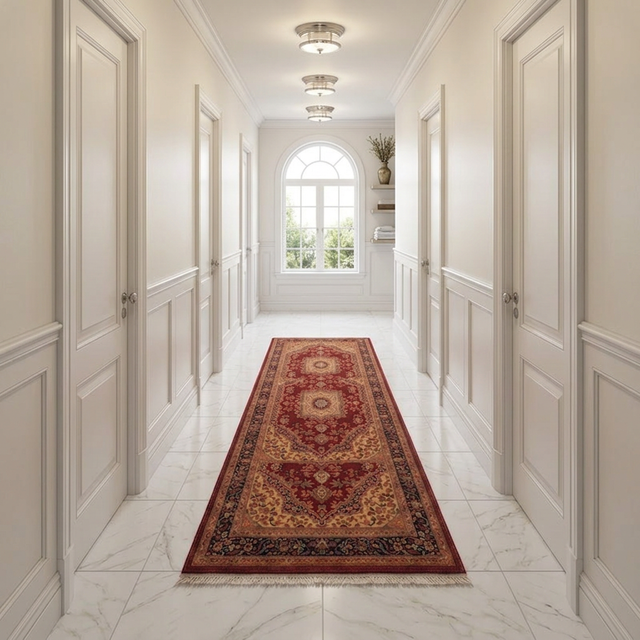
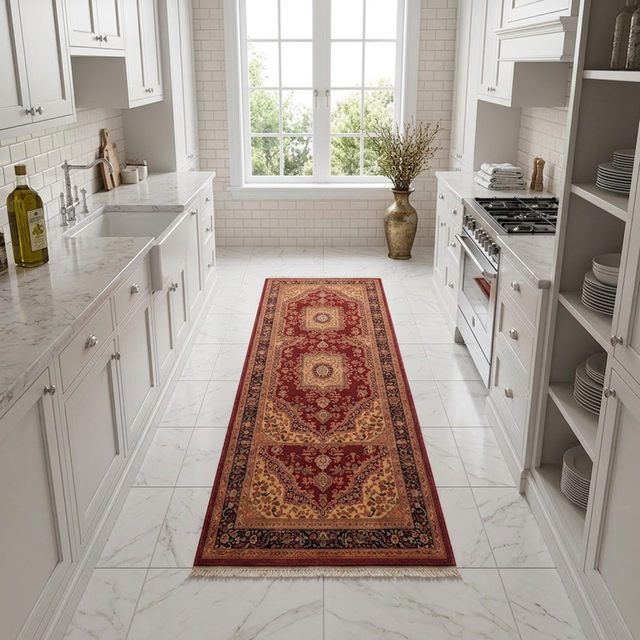
| Hallway | Deeper colours, hides footprints | Bands or small repeats on a runner 2.5 x 8-10 ft (75 x 245-305 cm) |
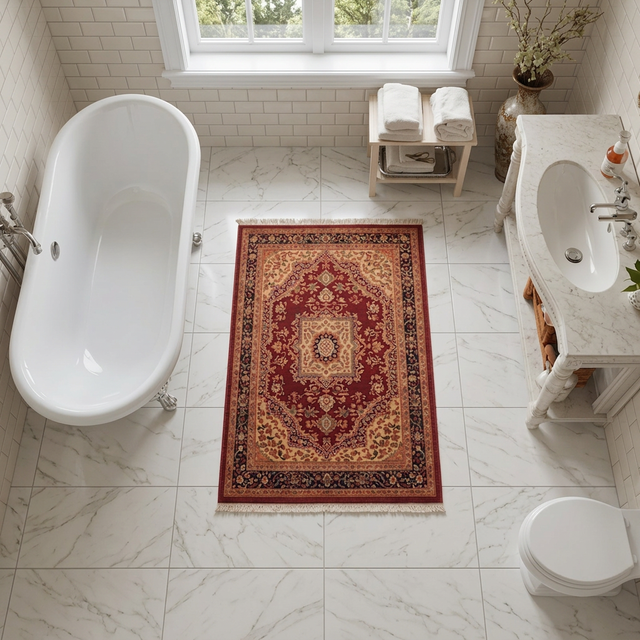
| Entry and kitchen | Mid to dark tones | Small repeating motifs on a 2x3 ft (60x90 cm) rug |
What We Would Pick: Four Examples
Here is how the approach plays out with pieces we currently stock.
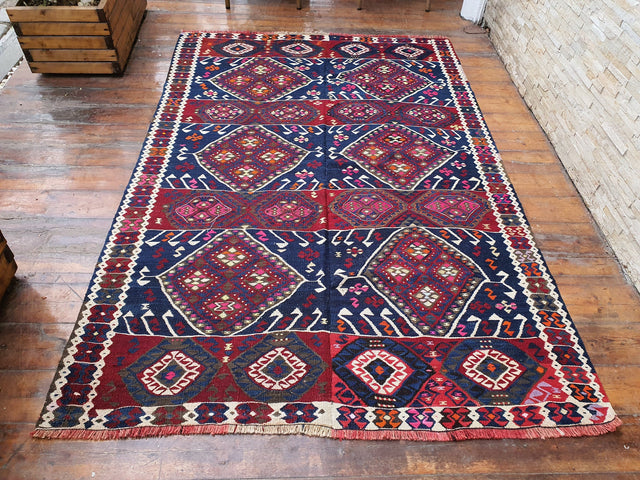
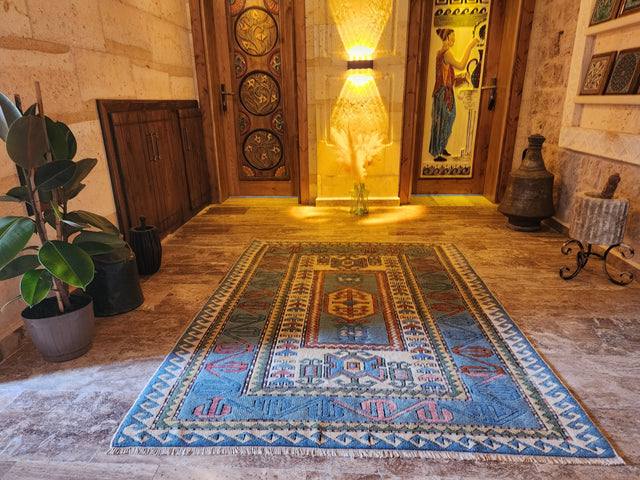
A grey or cream sofa on light wood floors. Go for the contrast route with a red and blue medallion such as Enyo, an antique Anatolian large area rug. The reds warm the neutral room, and the blue calms it.
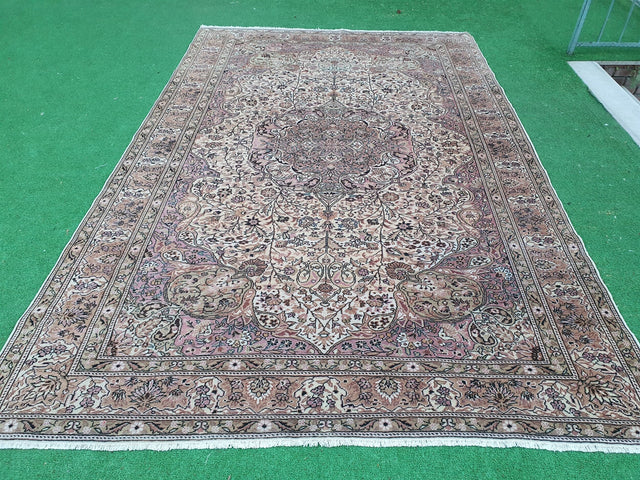
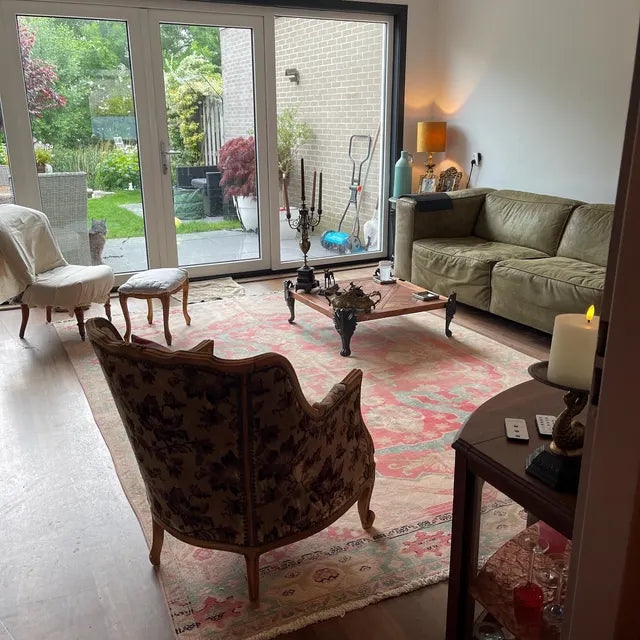
A bedroom with white or pale walls. A softer piece like Fatima, a vintage Kayseri floral rug, brings pale pink and brown tones without heaviness.
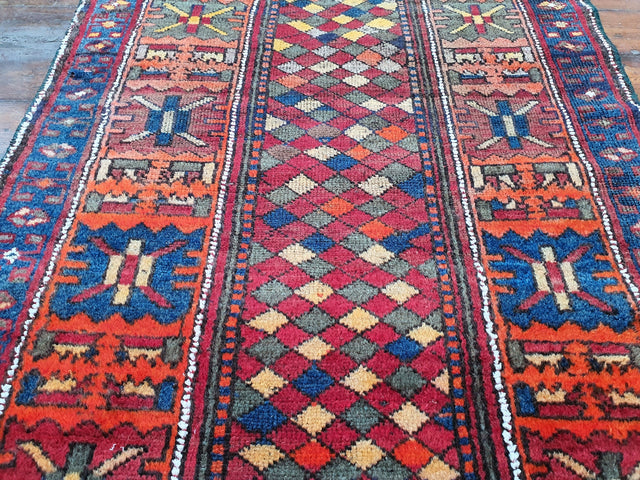
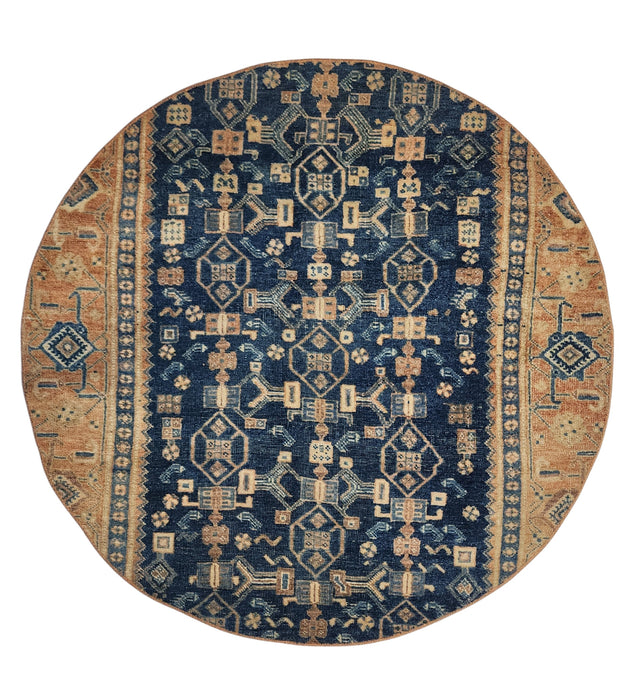
A modern room with solid colours. Let the rug do the talking with a bold geometric such as Iphigenia, an antique Afshar.
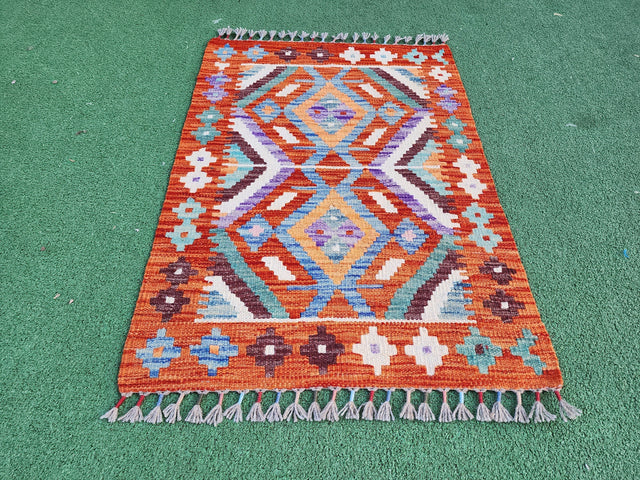
A small entry or bedside. A quiet neutral such as Mara, a vintage Kars rug, adds texture without crowding the space. For more on neutral palettes, read choosing a neutral rug.
Because every piece is vintage or antique and one of a kind, the exact rug in a photo is the exact rug you receive. Shipping is free worldwide, import duties are pre-paid for the US, UK, EU and Canada, and you have 14 days to return it if it does not suit your room.
A Quick Checklist Before You Buy
- Measure the room and tape out the rug size on the floor.
- Note the three colours you want the rug to share with the room.
- Decide: blend, contrast or bridge.
- Match pattern scale to how busy the room already is.
- Check the rug's photos against your own daylight.
- Choose a mid-tone, patterned piece if the area sees heavy traffic.
If you are unsure, start with a bridge rug: a multicoloured piece that contains your sofa or wall colour. It is rarely wrong, and the older the rug, the softer and more harmonious its colours tend to be. You can explore the full range in our vintage rugs collection.
Pieces from our collection
Every piece below is one of a kind and in stock today:
- Enyo — Antique Anatolian Wool Large Area Rug
- Fatima — Vintage Kayseri Wool Large Area Rug
- Iphigenia — Antique Afshar Rug, 6x7
- Mara — Vintage Kars Wool Small Rug
Frequently asked questions
Should a rug be lighter or darker than the floor?
Either works, but a clear difference looks intentional. A rug the same tone as the floor tends to disappear. On dark wood, a lighter or mid-tone rug adds contrast and brightness. On pale floors, a deeper rug anchors the furniture and makes the room feel more grounded.
Can you mix a patterned rug with patterned cushions?
Yes, if you vary the scale and share at least one colour. Pair a large medallion rug with smaller-scale stripes or small motifs on cushions. Repeating one rug colour in a cushion or throw makes the combination look planned rather than accidental.
What rug pattern hides dirt best?
Mid-tone rugs with medium-scale geometric, tribal or allover patterns hide dirt best. Reds, browns and blues disguise everyday wear, while very pale solids and very dark solids show marks and lint. Wool also resists soiling naturally, and most spills lift easily if treated quickly.
What colour rug goes with a grey sofa?
Warm colours such as red, rust, mustard and camel contrast well with grey and stop the room feeling cold. Blue and cream also work for a calmer look. A multicoloured Anatolian rug with a little grey or blue in it ties everything together.
Written by the team at Heritage Nomadic Art Gallery in Sultanahmet, Istanbul, the gallery behind TurkishRug.com, where every rug and pillow is chosen, washed and photographed by hand. Last updated November 26, 2026.

