
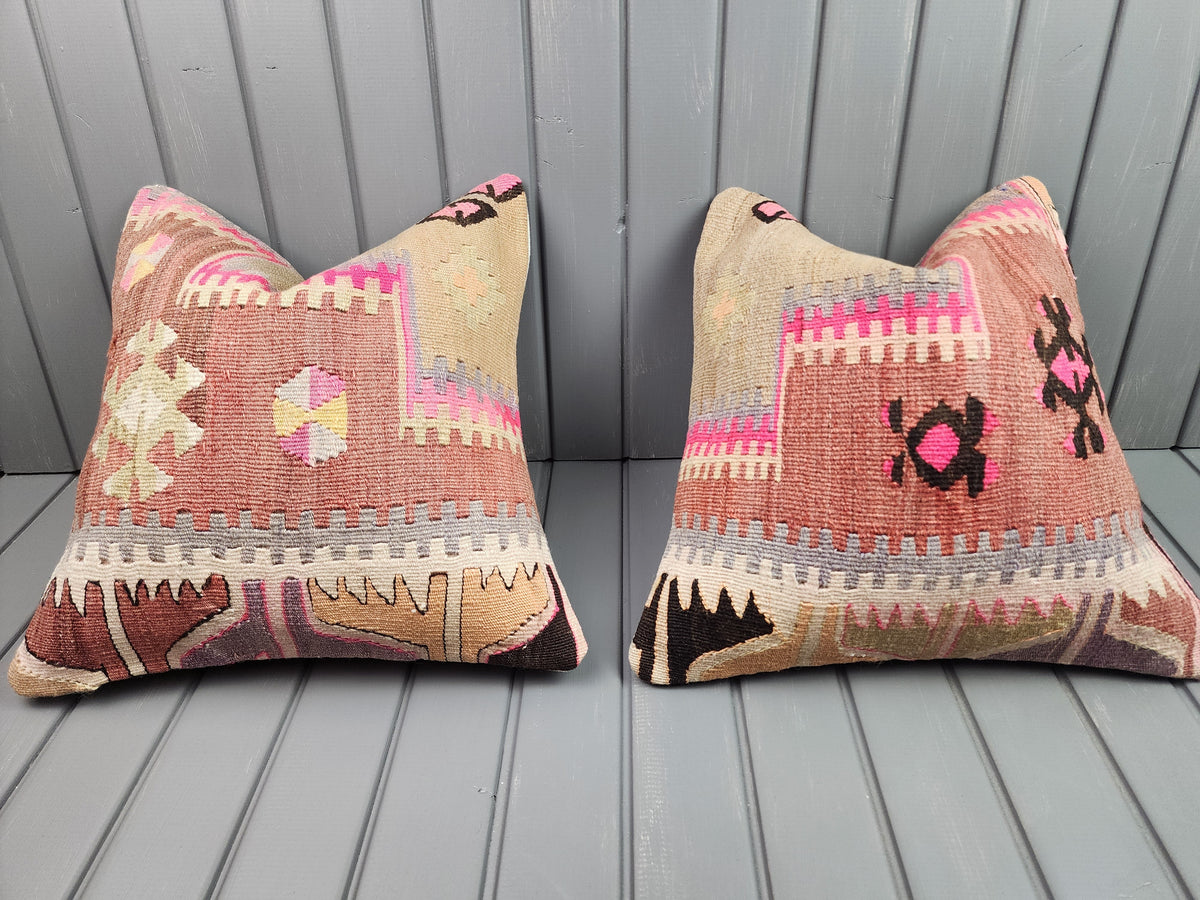
Kilim vs Rug vs Tulu Pillow Covers: Which One Suits Your Sofa?
All three are cut from real Anatolian weavings, all three come with a cotton back and a concealed zipper, and all three are one of a kind. Yet a kilim cover, a rug cover and a Tulu cover look and feel so different that they suit quite different rooms. Here is how to tell them apart and how to choose.
The quick comparison
| Kilim | Rug | Tulu | |
|---|---|---|---|
| How it is made | Flatwoven, no pile | Hand-knotted short pile | Hand-knotted long pile |
| Feel | Smooth, firm | Soft, velvety | Deep, shaggy, very soft |
| Pattern | Bold, geometric | Detailed, often floral | Large, simple shapes |
| Colour | Often bright | Often soft and faded | Rich, saturated |
| Best for | Daily-use sofas, bohemian rooms | Calm, classic rooms | Beds, reading corners, cosy rooms |
Kilim pillow covers
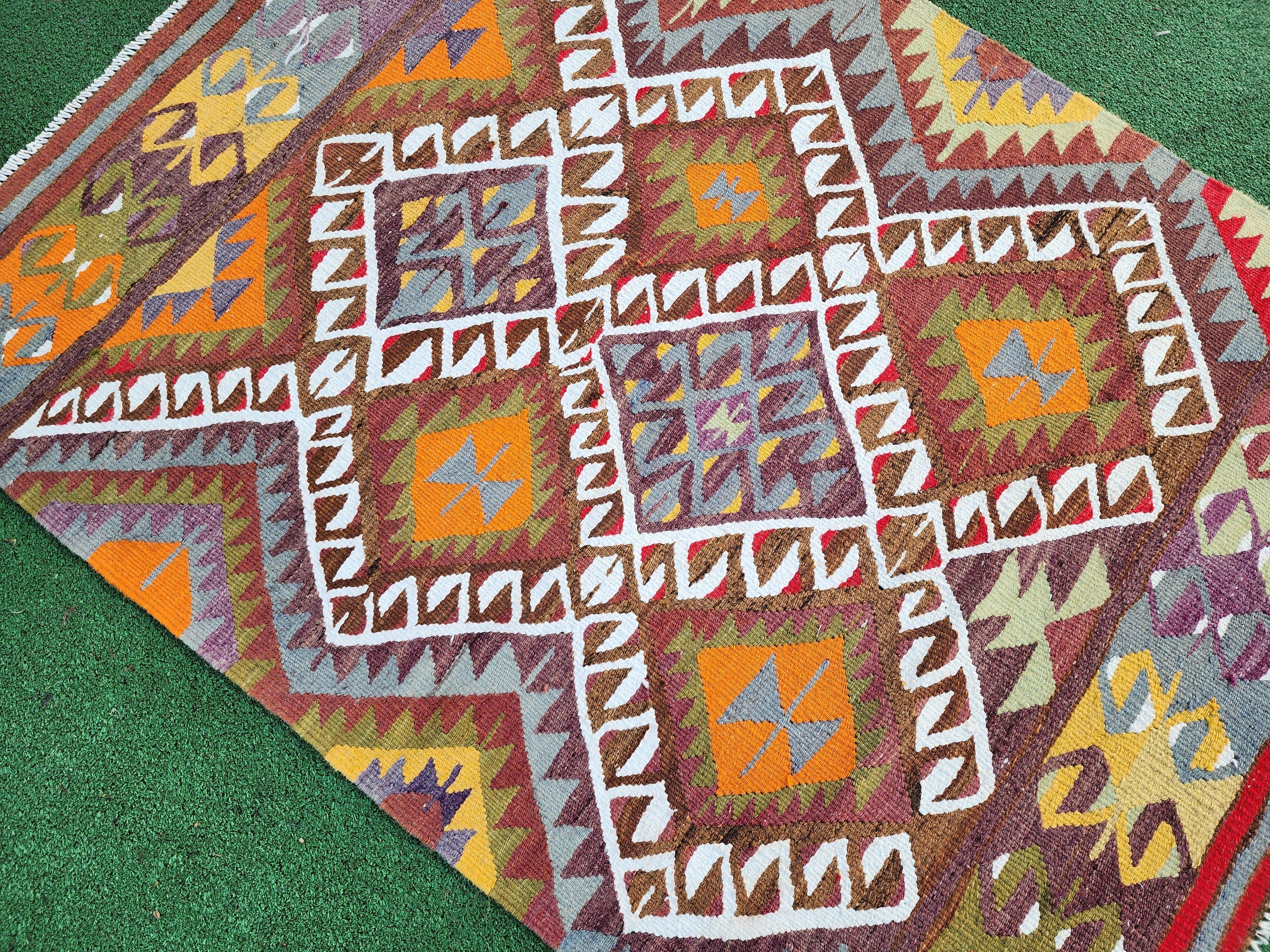
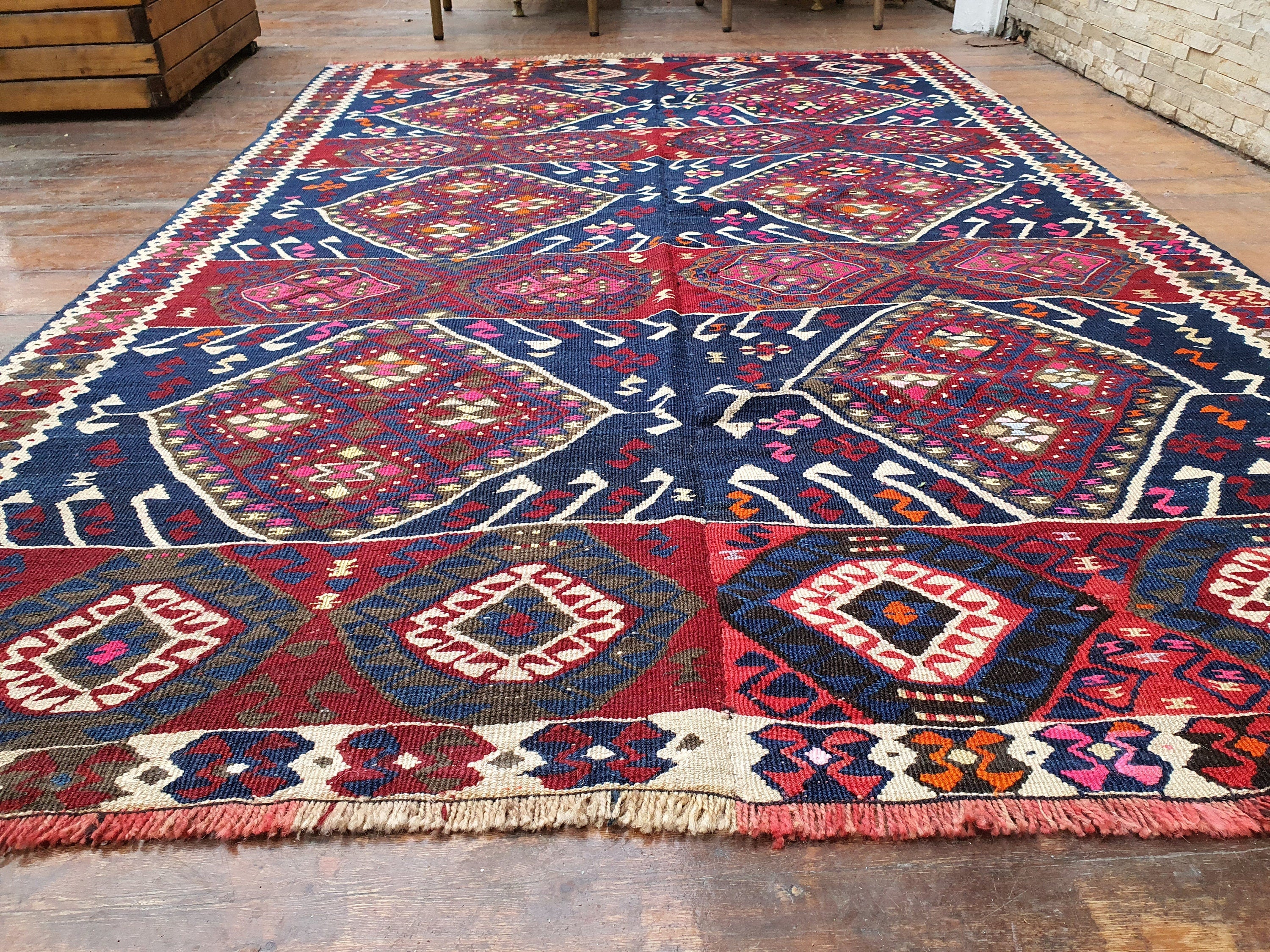
A kilim is woven on the loom without knots: the coloured weft threads pass over and under the warp to build the pattern. The result is a thin, tight, smooth textile. That is why kilim motifs are so graphic, with diamonds, hooks, stepped lines and stars, and why kilim colours often look brighter than pile rugs.
On a sofa, a kilim cover reads clearly from across the room. It is also the most practical of the three for a family sofa, because a flat surface is easy to brush and spot clean. If you want to understand the weave in depth, read Kilim vs pile: the flatweave explained or browse our kilim pillow covers.
Rug pillow covers
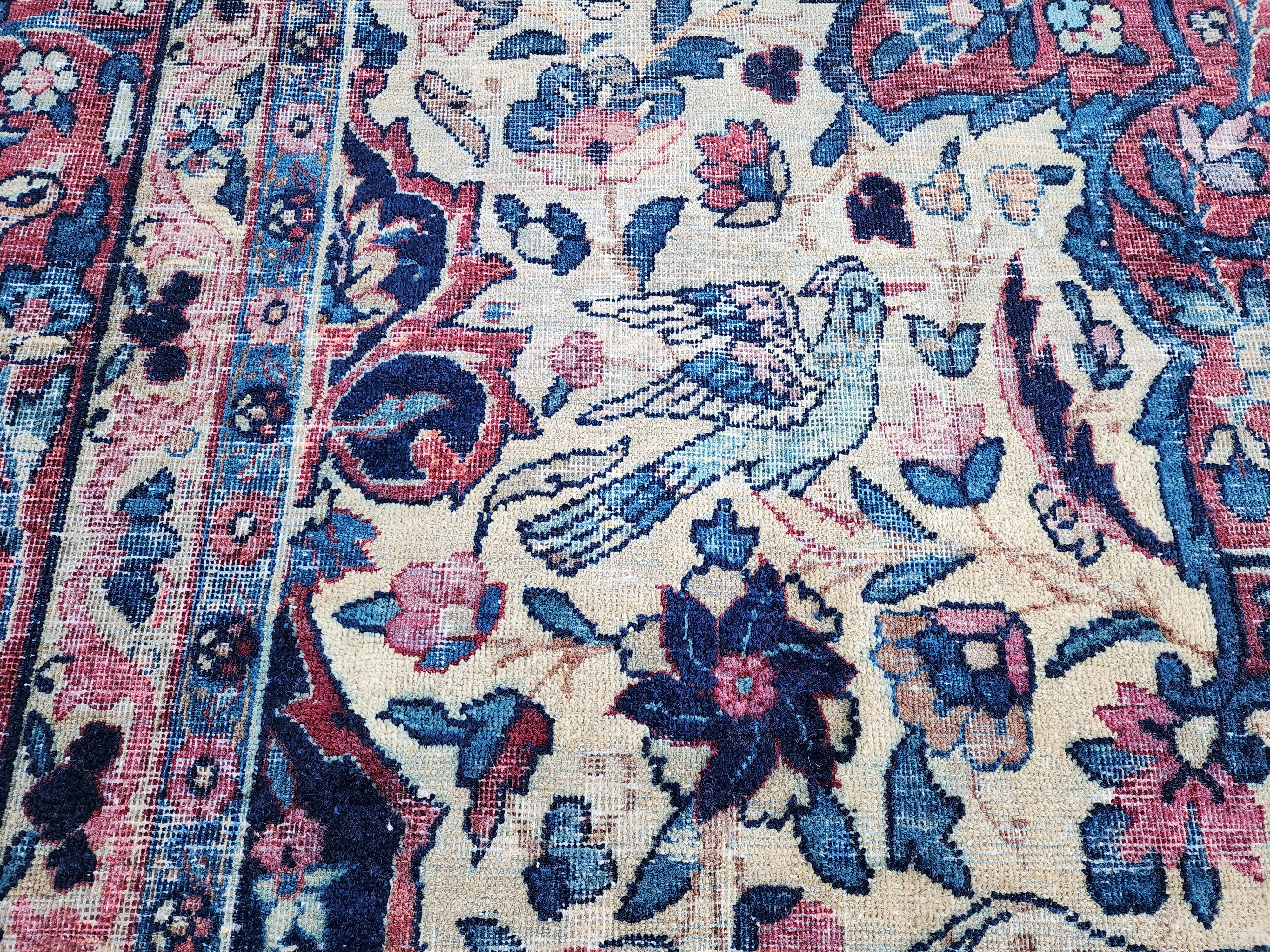
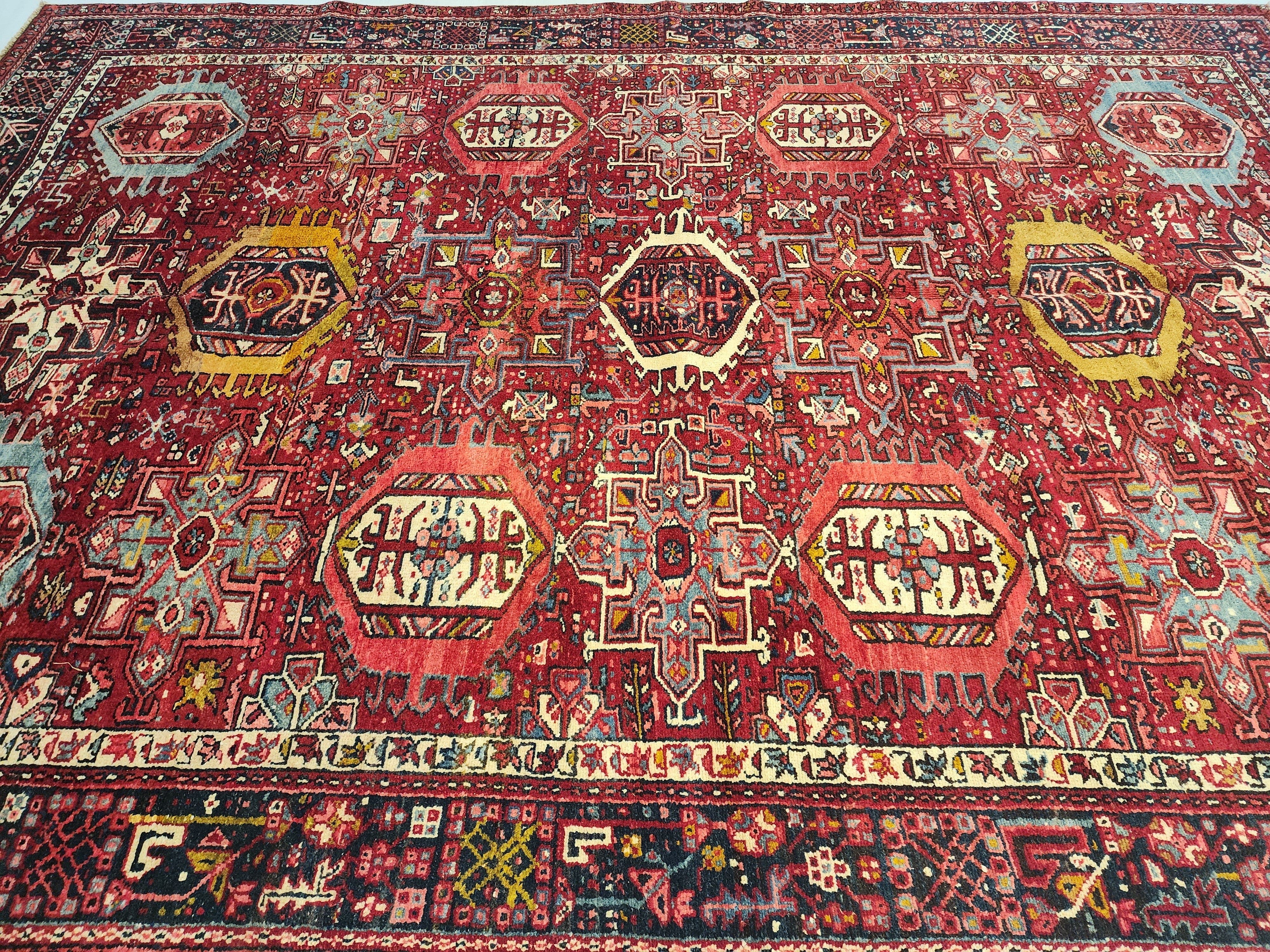
A rug cover is cut from a hand-knotted pile rug, where each knot is tied around the warp threads and then trimmed. The short pile gives a soft, slightly velvety surface and allows finer detail than a kilim. Many of ours are cut from vintage and antique Oushak rugs, known for their gentle, washed colours: rose, apricot, ivory and sage.
Rug covers are the easiest to mix into an existing room. Their faded tones sit well with linen, oatmeal and white upholstery. See our rug pillow covers, and if you like the Oushak palette, read what makes an Oushak rug different.
Tulu pillow covers
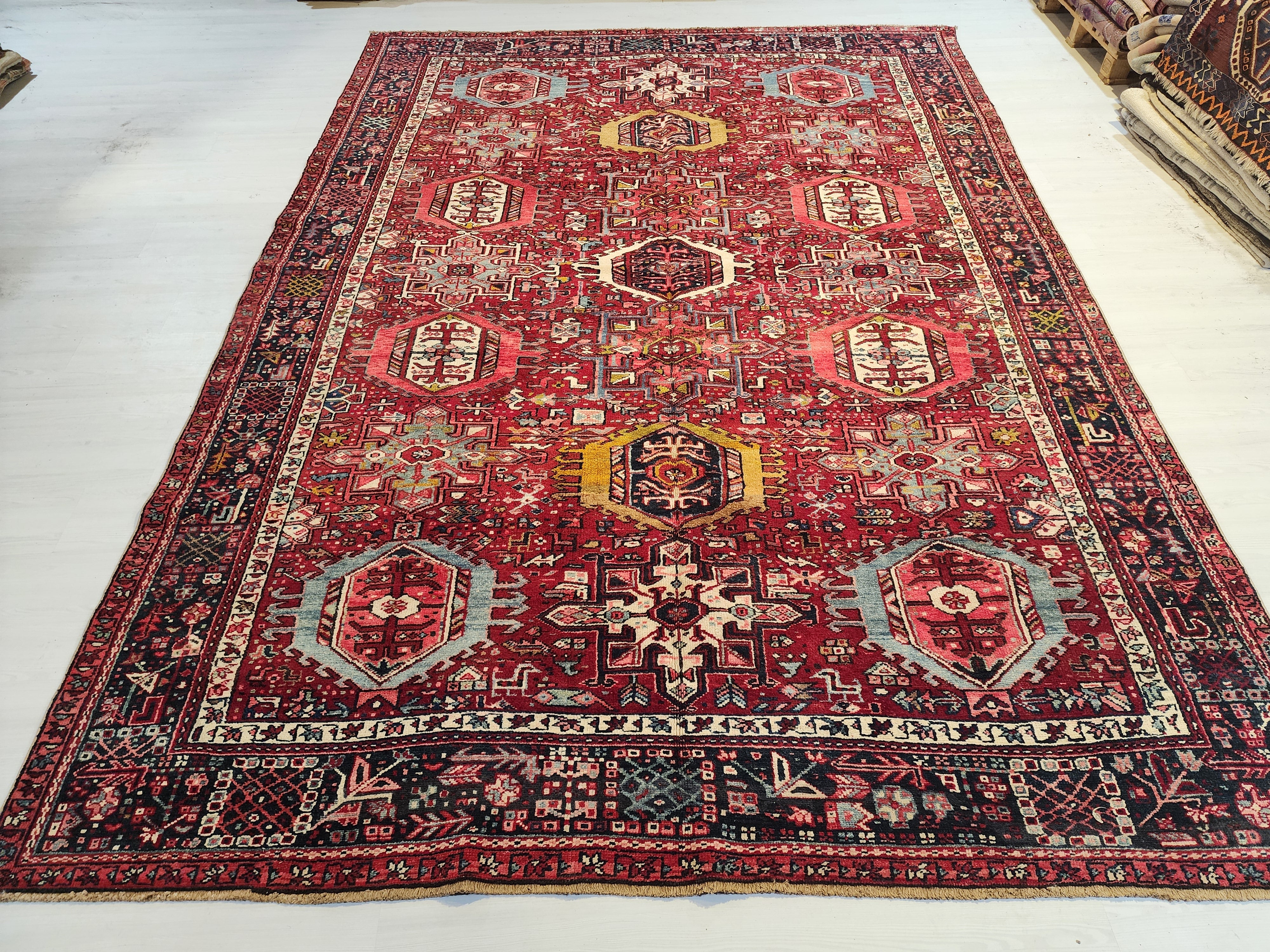
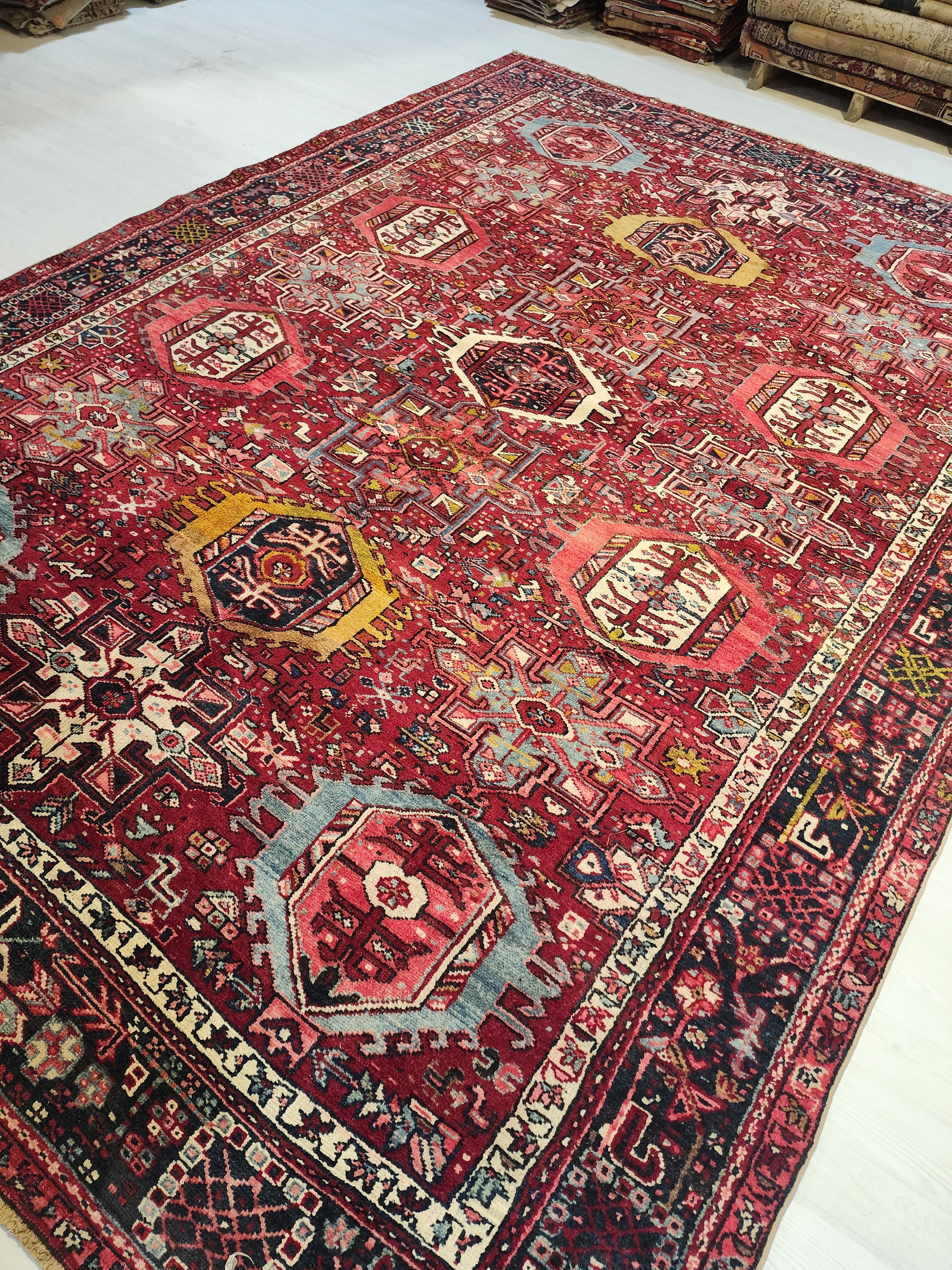
Tulu rugs are the long-pile rugs woven in villages of central Anatolia, especially around Konya. They were made for warmth, often used as bedding or blankets, so the pile is long, loose and soft, and the designs are usually simple, large fields of colour and bold medallions. In English-speaking markets they are often simply called shaggy rugs.
A Tulu cover is the most tactile of the three. It brings texture to a plain leather sofa or a crisp white bed. It also sheds a little when new and needs a gentle hand when cleaning. Learn more in What Is a Tulu Rug? or browse our Tulu pillow covers.
Can you mix them?
Yes, and they often look best mixed. A simple rule: pick one colour that appears in all of them and let the textures vary. For example, a pair of soft Oushak rug covers in rose, a kilim cover with rose in its pattern, and a single Tulu cover in a deeper red. We go further in How to Style Turkish Rug Pillow Covers.
Still deciding?
If you are not sure, think about how the cushion will be used. Leaned on every evening: kilim. Mostly decorative on a calm sofa: rug. On a bed or a reading chair where you want softness: Tulu. You can see them all together in all cushion covers.

