
What Is a Tulu Rug? Anatolia's Shaggy Village Rug Explained
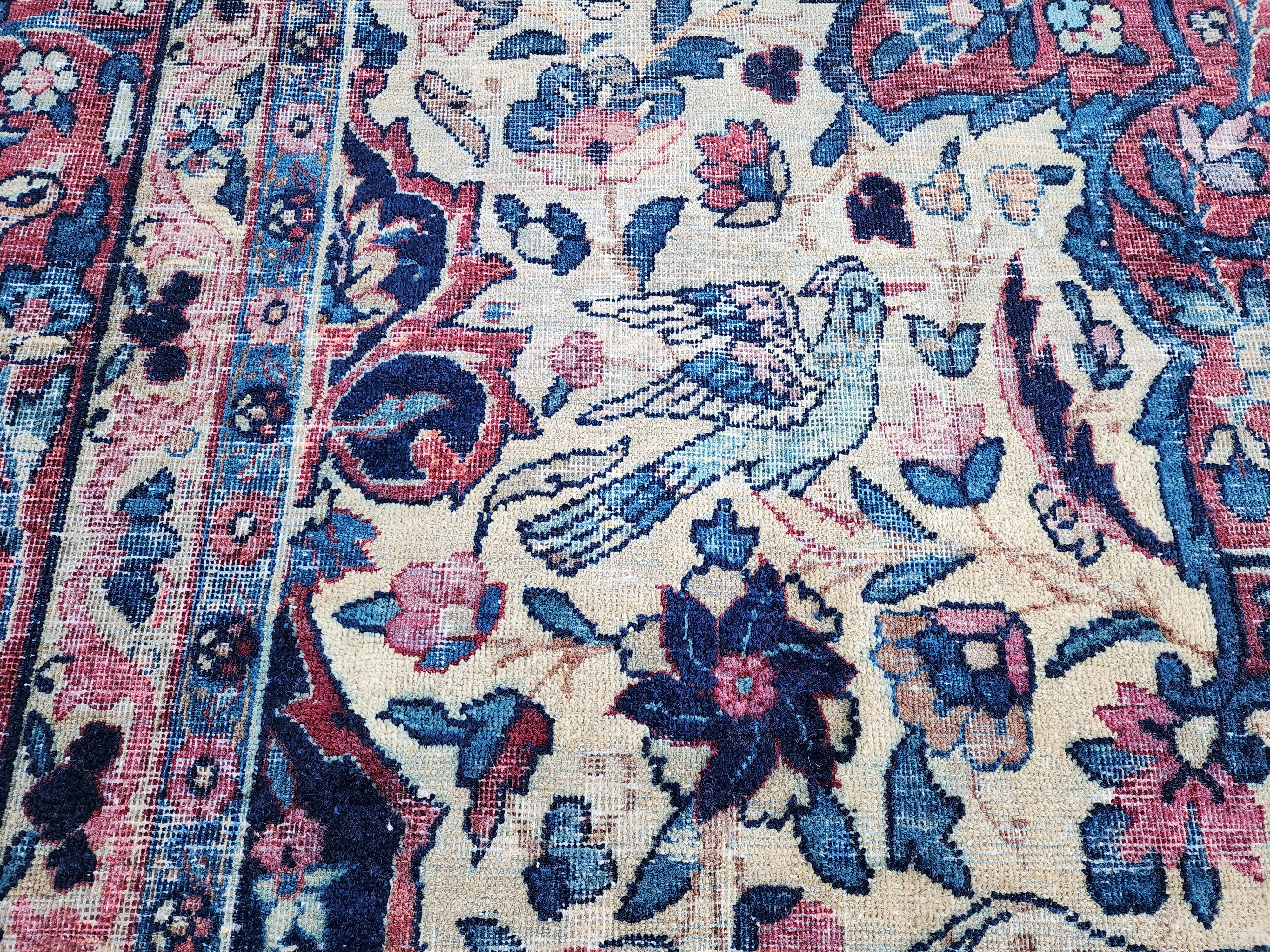
Most people picture a Turkish rug as a fine, flat-lying carpet with a detailed pattern. The Tulu is something else entirely. It is thick, soft and shaggy, with long wool pile and big, simple designs. In the villages of central Anatolia it was not made to be admired on a floor but to keep a family warm.
Where the name comes from
The word "tulu" is generally linked to the Turkish word for hair or fleece (tüy), which describes the rug well: it feels more like a fleece than a carpet. You will also see these rugs called shaggy rugs, long-pile rugs or yatak rugs, from the Turkish word for bed.
A rug made for sleeping
Winters on the Anatolian plateau are long and cold. In village homes and nomadic tents, a long-pile rug was used as a mattress, a cover or a blanket on the floor and on raised sleeping platforms. That is why the pile on a Tulu is so long: the wool held the warmth, and the deep pile made it comfortable to lie on.
Because they were used every day, many old Tulus were worn out and lost. Those that survive, especially from the Konya region and the villages around Karapınar and Kayseri, are now prized for their colour and texture.
How to recognise a Tulu
- Long pile. Much longer than a typical rug, often loose and slightly uneven.
- Fewer, larger knots. The knots are spaced more widely, so you can often see the foundation between the pile on the back.
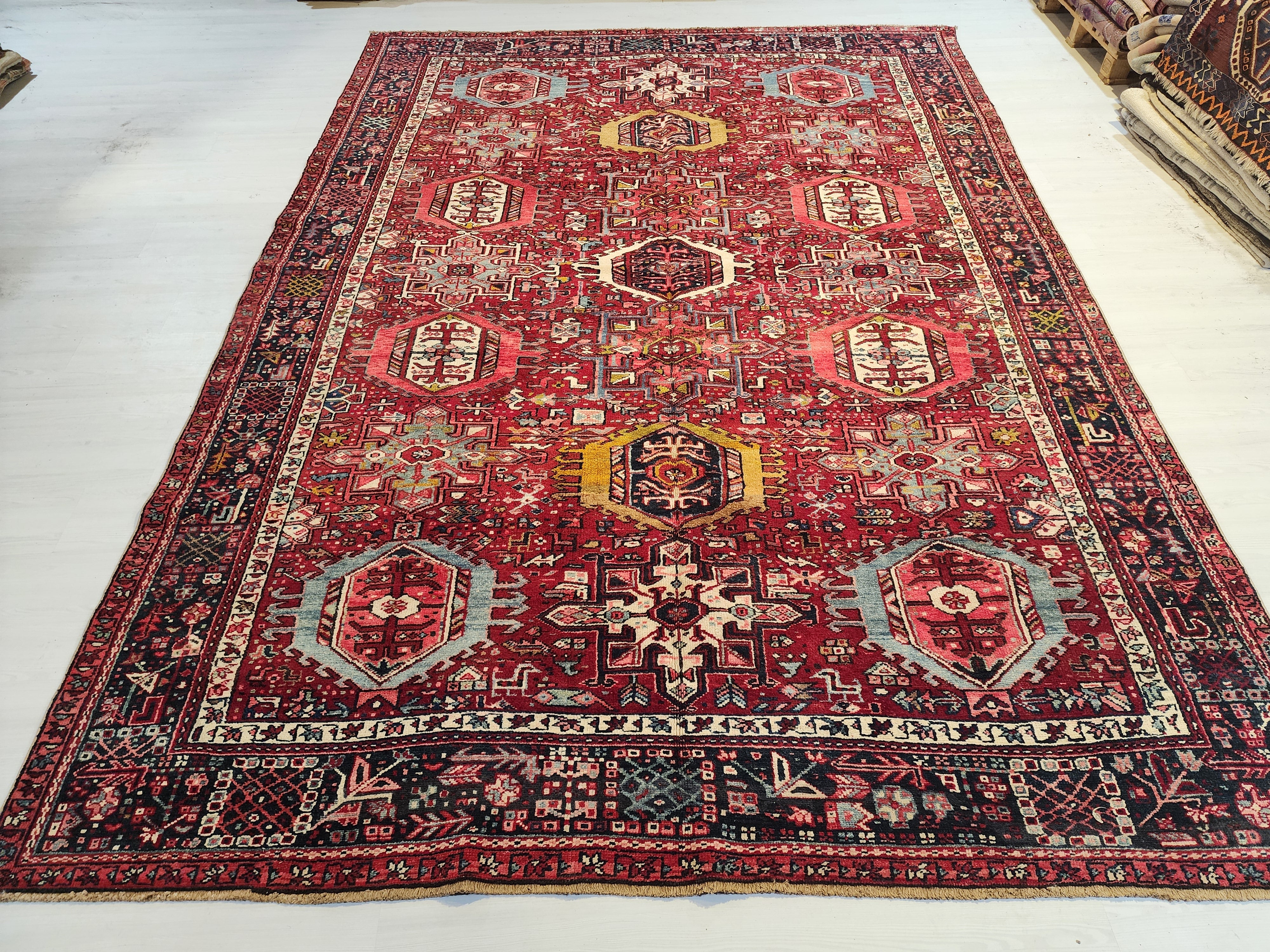
- Simple designs. Open fields of colour, large medallions, hooked shapes or stripes rather than fine floral detail.
- Lustrous wool. Good Tulus use long, glossy wool that catches the light.
- Strong colour. Deep reds, aubergine, saffron yellow and indigo are typical, often made with natural dyes. Read more in our guide to natural dyes and Anatolian rug colours.
Tulu and the Konya weaving tradition
Konya is one of the great weaving regions of Turkey, known for bold village rugs with strong reds and yellows. The Tulu belongs to this same world of colour. If you are interested in the wider region, see Konya, Kayseri and Hereke: the rug regions of Anatolia and our Konya rugs collection.
Using Tulu today
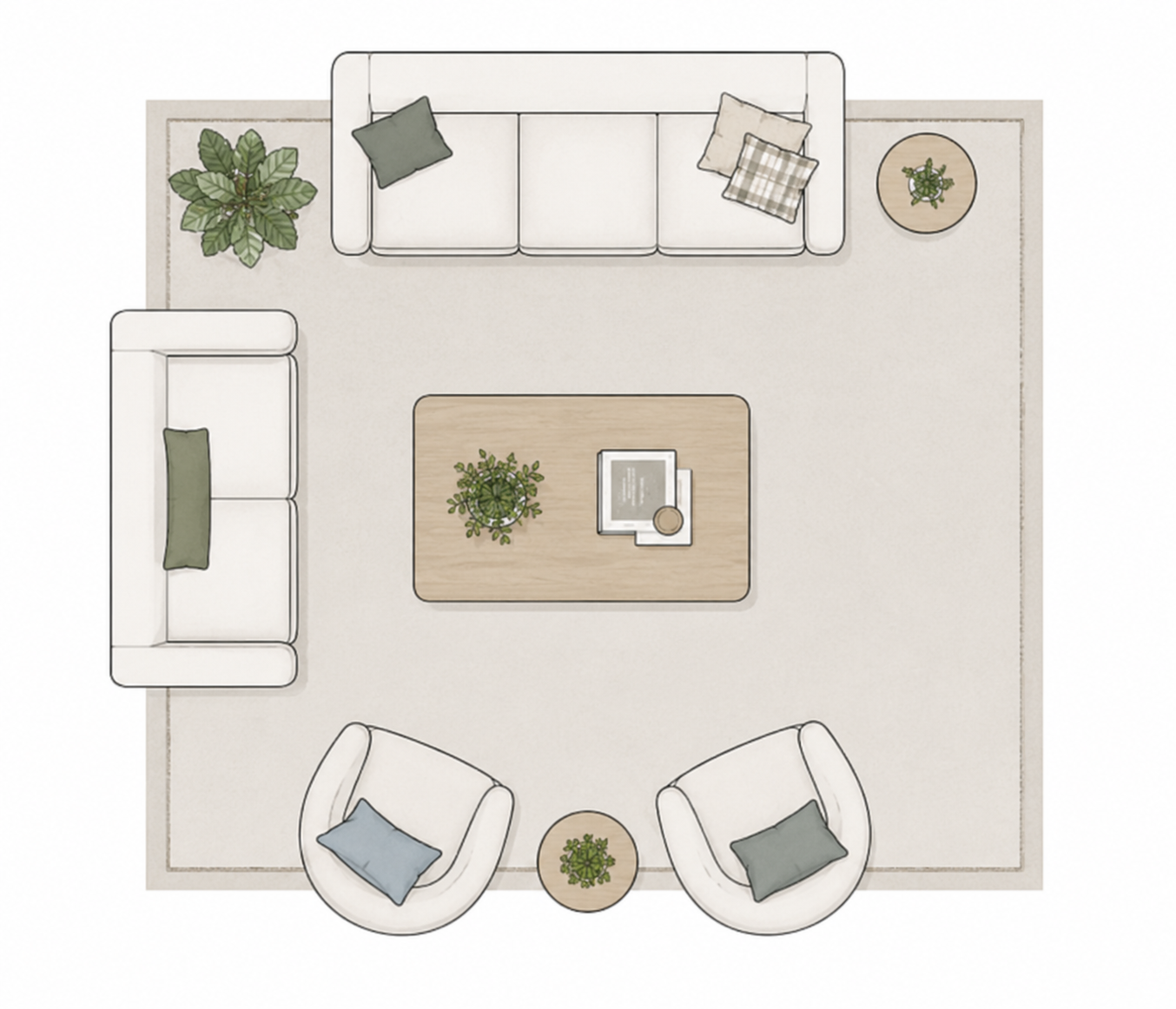
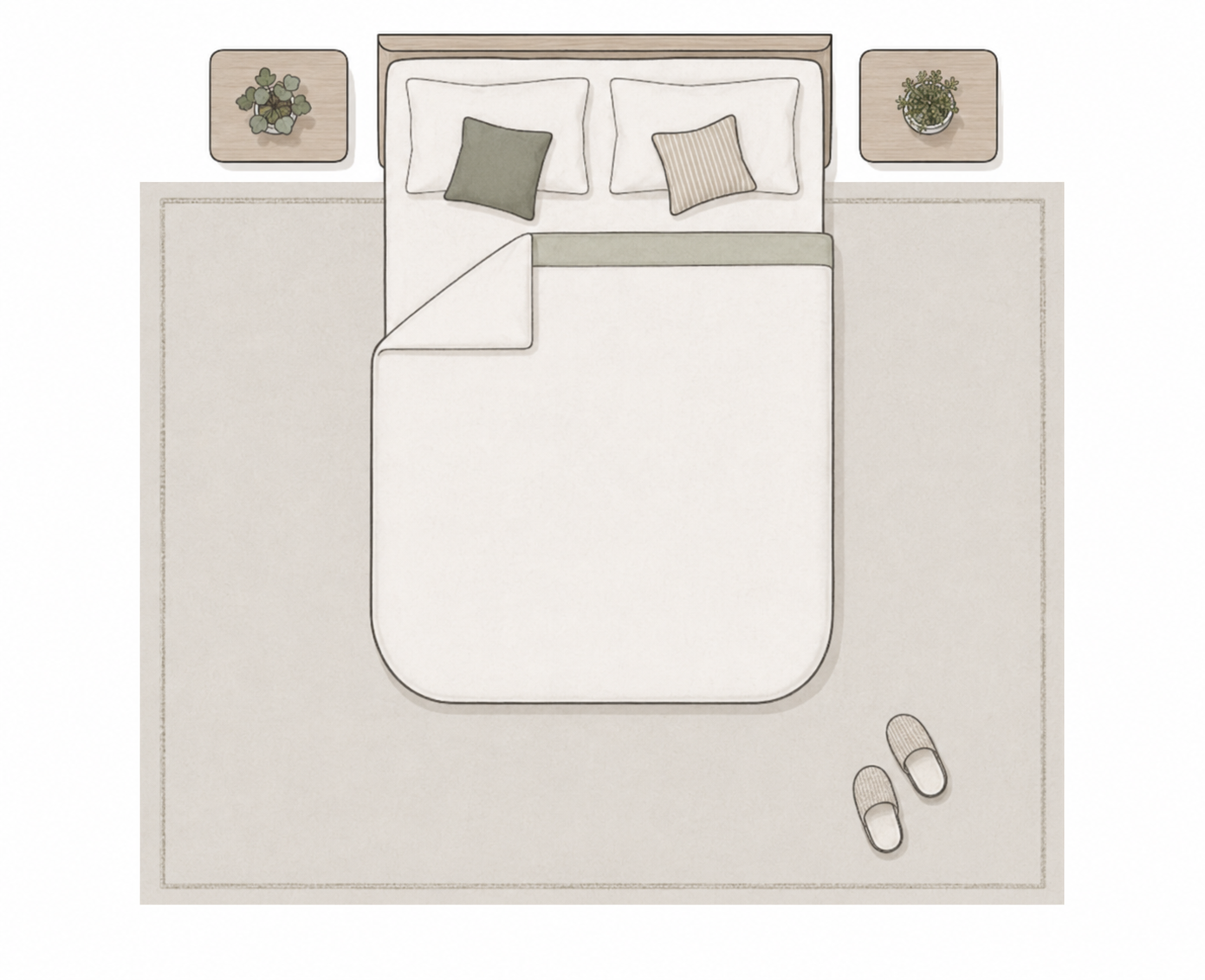
The same qualities that made a Tulu good for sleeping make it lovely in a modern home. A Tulu rug brings softness to a bedroom floor or a reading corner. Smaller pieces work well over the end of a bed or on a bench.
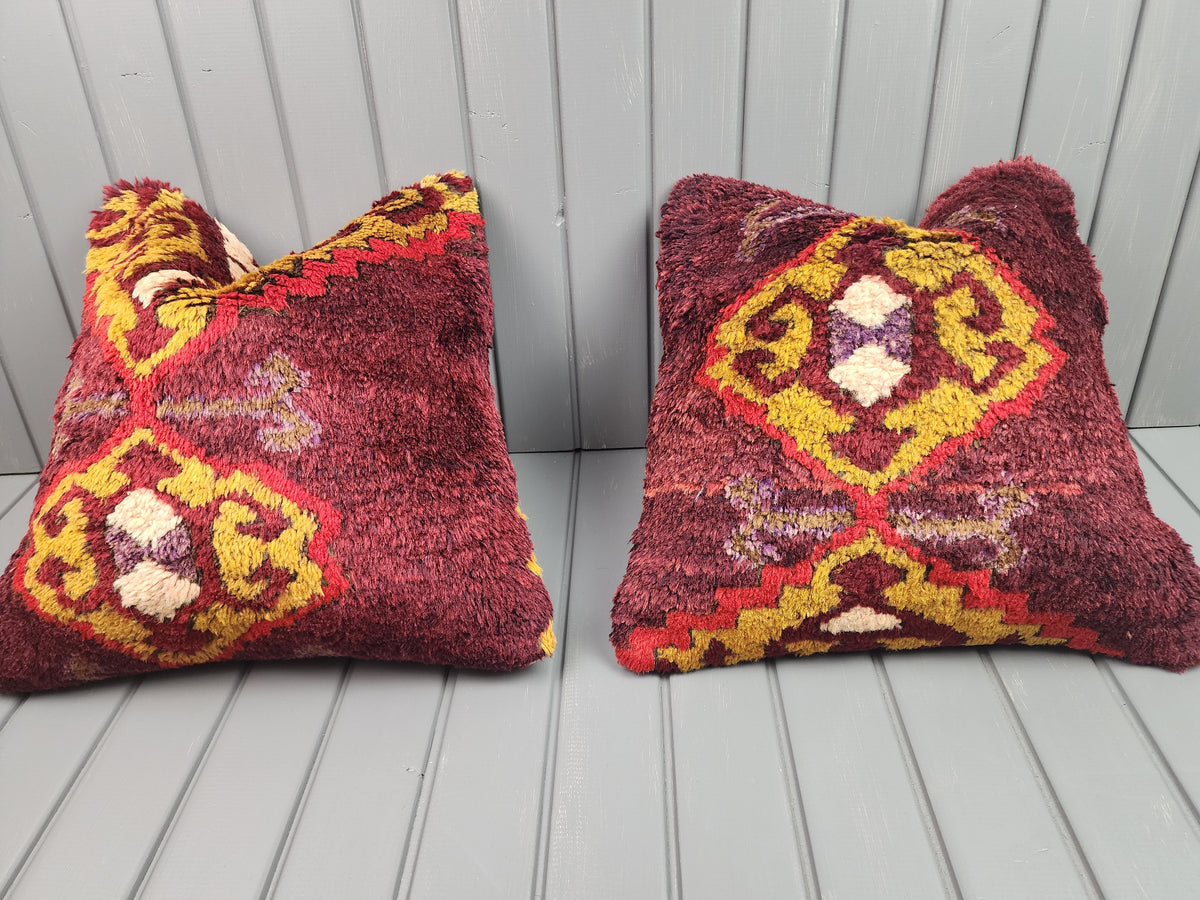
A Tulu pillow cover is the easiest way to try it. Cut from an old Tulu rug and backed with cotton, it adds deep texture to a plain sofa, a leather chair or a white bed. Each pair is unique, because no two Tulus were woven alike. See our Tulu pillow covers.
Caring for Tulu pile
Long pile needs a gentle hand. Shake it out rather than beating it, vacuum without the brush roll, and spot clean with cool water. For pillow covers, see How to Care for Kilim and Rug Pillow Covers. For full-size rugs, our vintage wool rug care guide applies.

