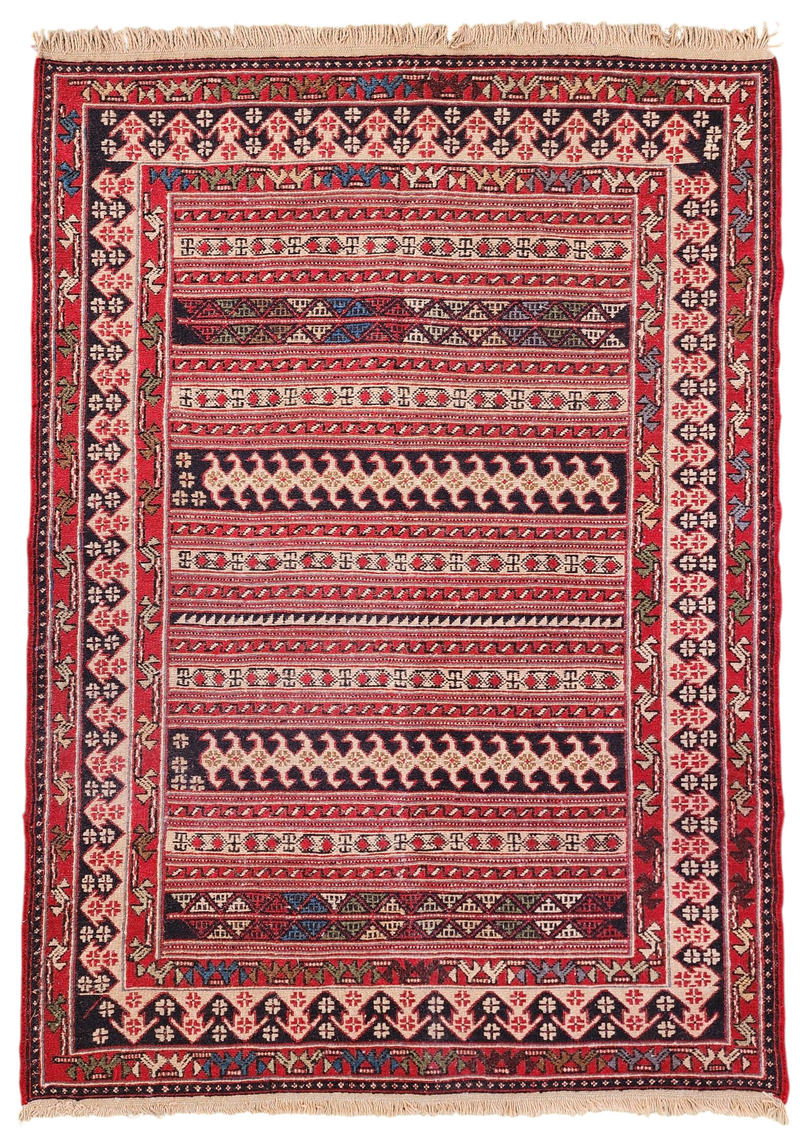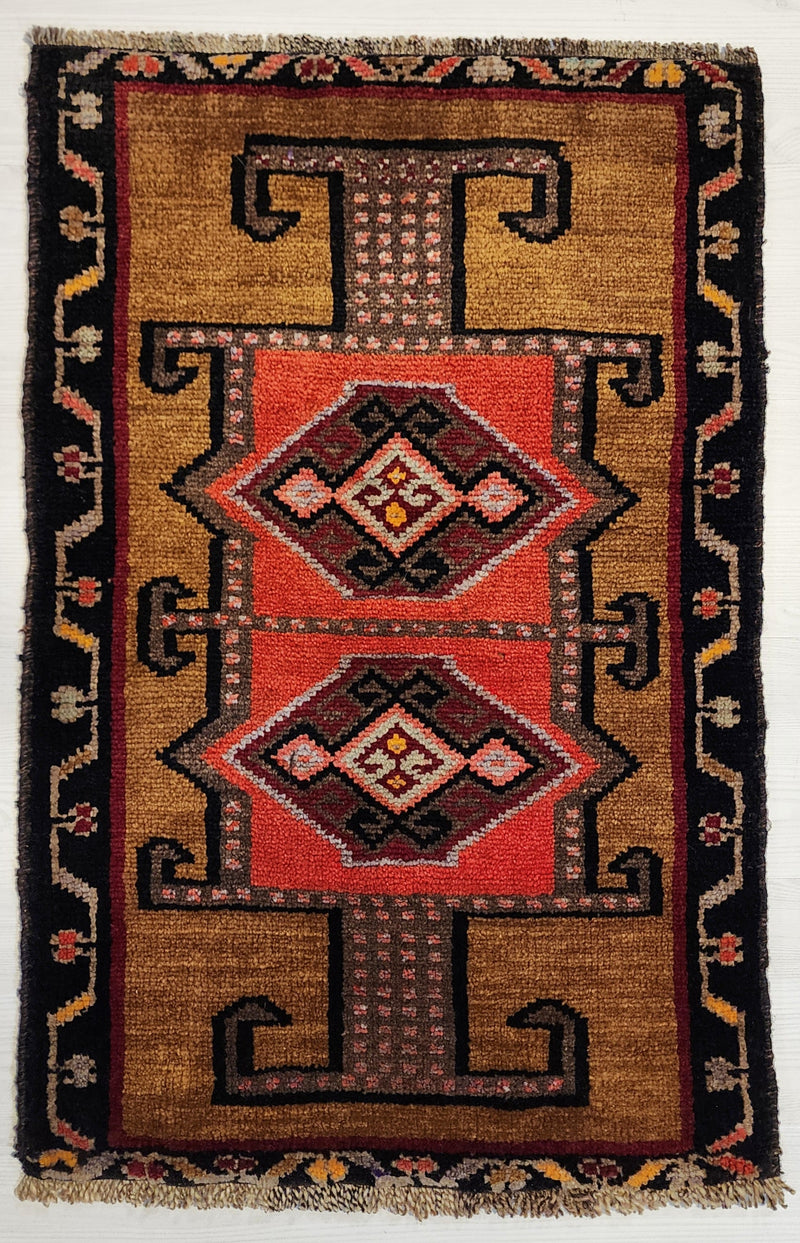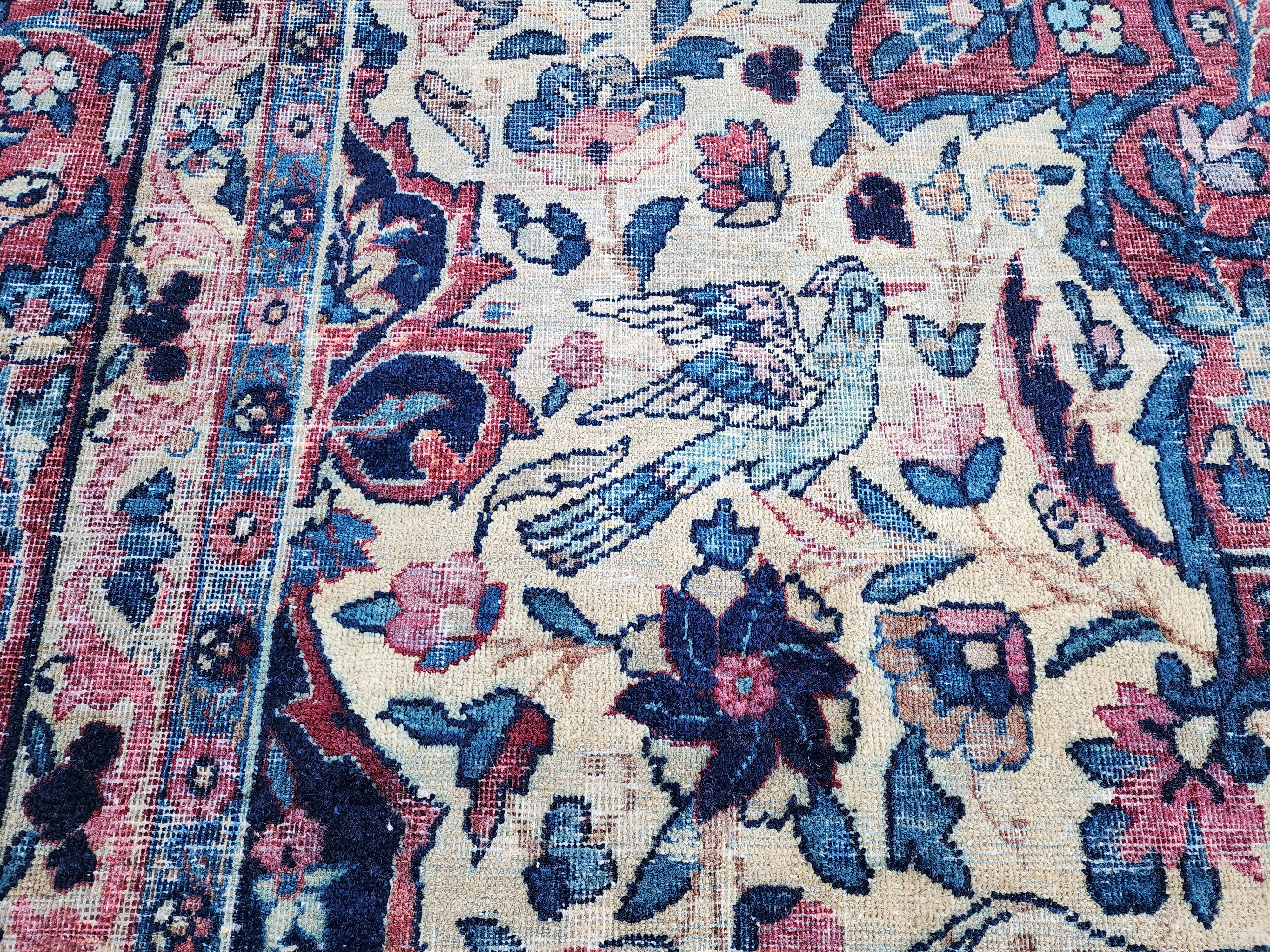
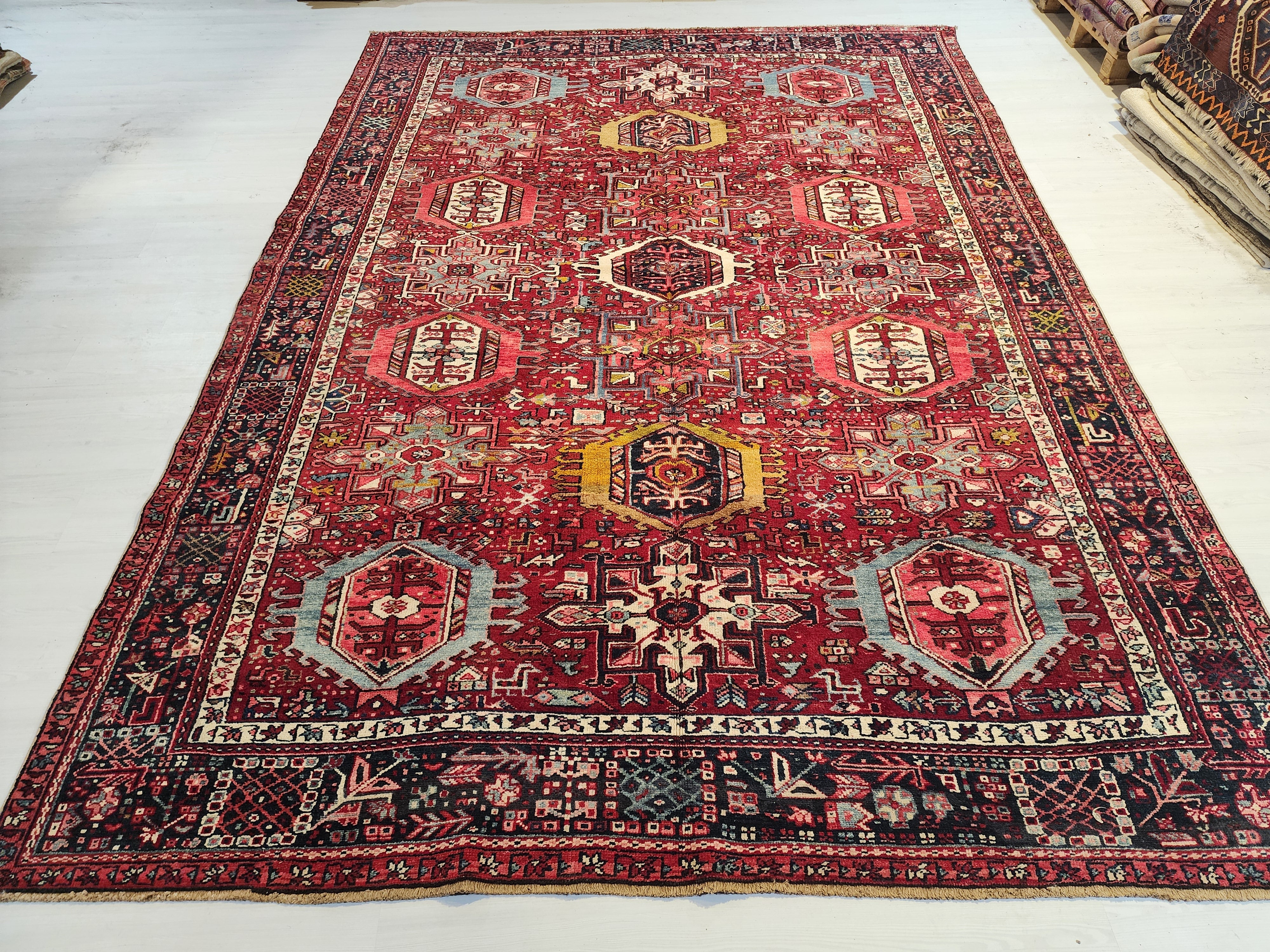
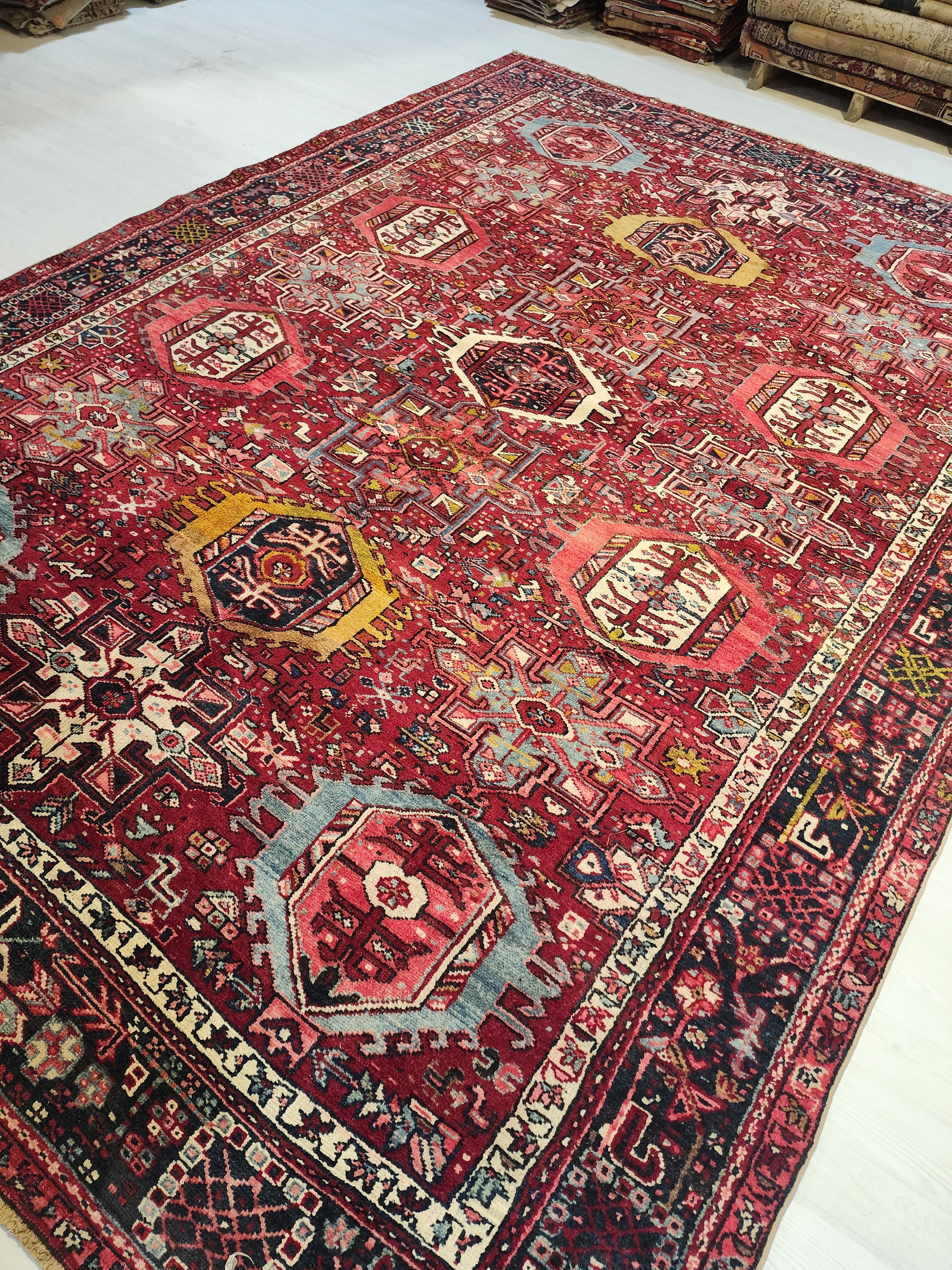
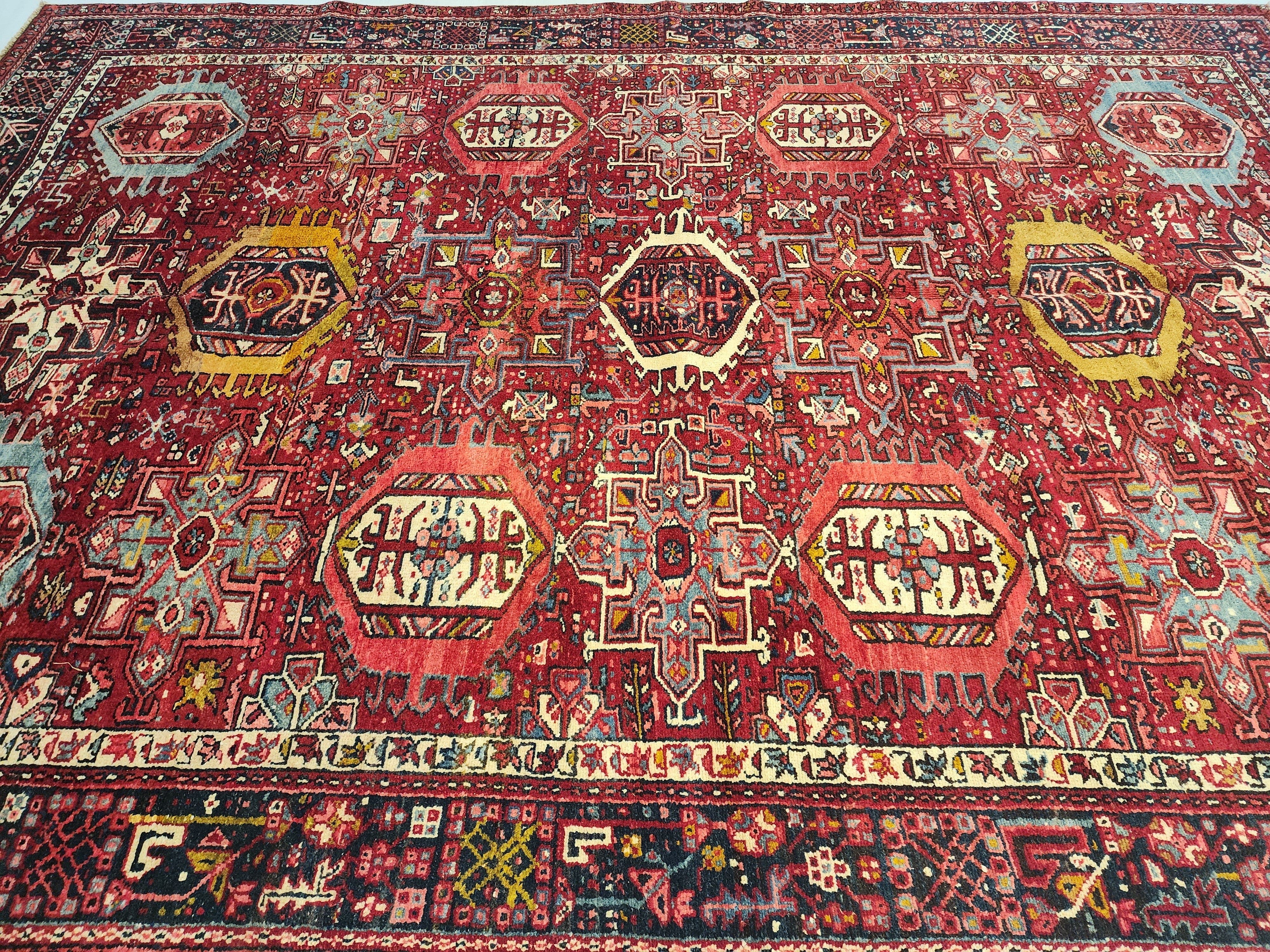
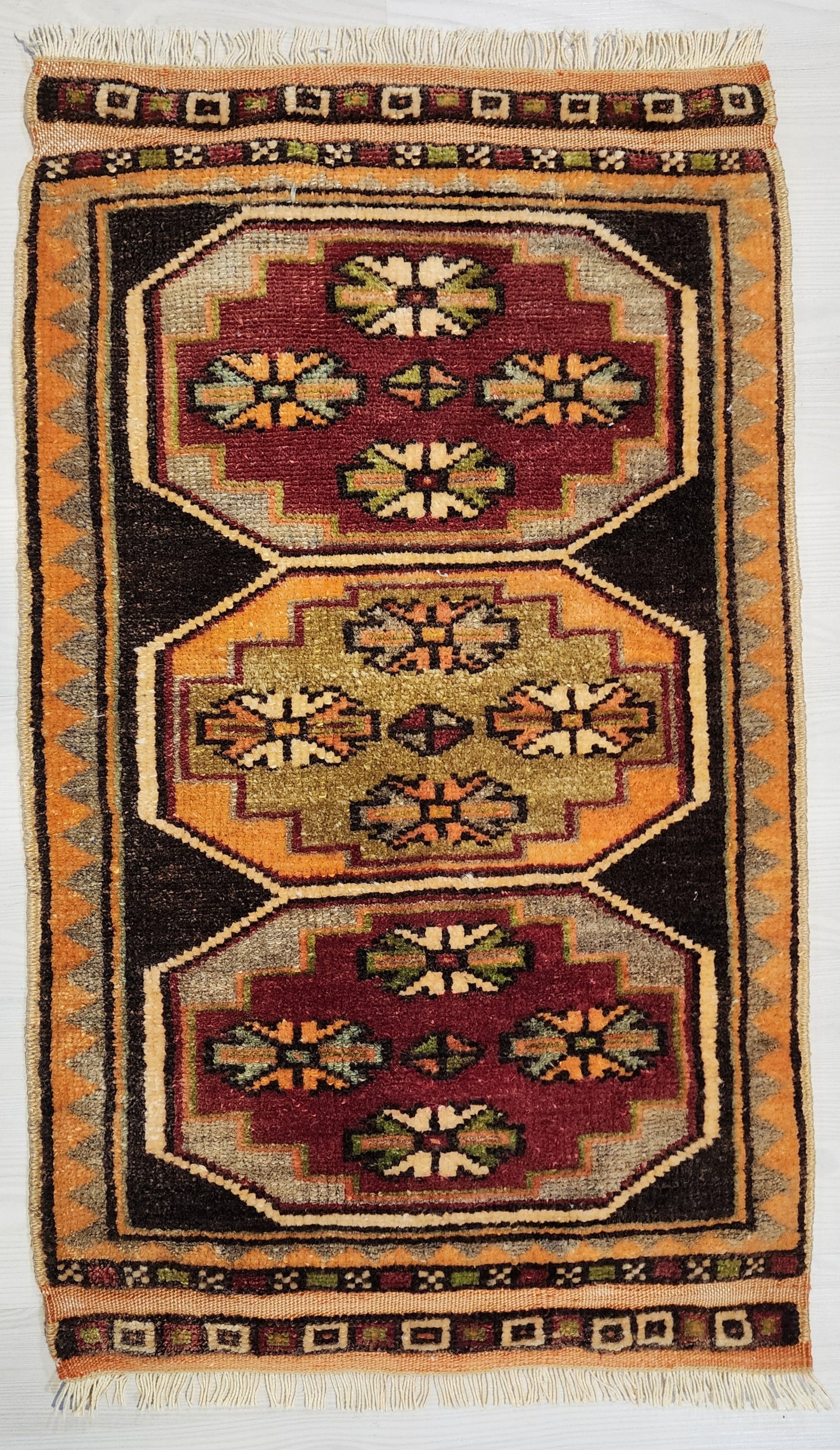
Why Are Turkish Rugs So Expensive? Real Reasons Behind the Pricing
Look online for a "Turkish rug" and you will find pieces ranging from $40 to $40,000 — same label, same general look. The price gap is not a scam. It is the difference between machine-made decoration and a genuine hand-knotted heritage object. Once you understand where the money actually goes, the pricing makes sense.
Here is the cost breakdown we walk clients through when they ask.
The labour math
Start with the simplest fact: a hand-knotted rug is made one knot at a time, by one person, with their hands.
A skilled weaver in Anatolia produces somewhere between 5,000 and 12,000 knots per day, depending on knot density and complexity. A modest 5×7 rug at 150 knots per square inch contains roughly 750,000 knots. Doing the math: that is 75 to 150 days of work for a single weaver.
At any reasonable wage — even at the modest rates paid in rural Turkey — that is months of labour. Before you have paid for wool, for dyes, for the loom, for transport, for restoration.
Now scale up. A 9×12 rug at 250 KPI is about 3.5 million knots. That is one weaver's full-time work for a year, maybe two. Hereke silk rugs at 1,000+ KPI take entire weaving families years to complete.
Material cost
Hand-knotted Turkish rugs are typically made from:
- Sheep wool — hand-spun, often from specific regional breeds, washed and prepared by traditional methods
- Cotton for the foundation in most cases
- Natural dyes for vintage and antique pieces — madder root, indigo, walnut hull, oak gall, pomegranate skin
- Silk for finer pieces
Compared to industrial synthetic fibre, every one of these is expensive per pound. Natural dyes require harvesting specific plants in season, fermenting or extracting the dye, mordanting the wool with mineral salts to fix the colour. Each step has cost.
A good wool rug uses 3-8 kg of wool depending on size. At the wool quality used in heritage pieces, that is significant material.
Skill
You cannot become a master weaver in six weeks. The skill is built over years, usually starting in childhood, passed down within families and villages. The weaver who can tie 10,000 knots a day at consistent quality, hold the pattern in their head, manage tension across the loom, and recognise when the wool needs adjustment — that person has 10-30 years of accumulated practice.
This skill base is also shrinking. Younger generations in many Anatolian villages have moved to other work. The weavers who remain — especially those producing village-quality work with natural dyes — are increasingly older women. In 20 years, this knowledge will be harder to find than gold.
The workshop / village economics
A rug does not just appear in a gallery. It goes through:
- Wool sourcing and preparation
- Dye preparation
- Setup on the loom (warp and weft preparation)
- Months of weaving
- Removal from the loom and edge binding
- Initial washing
- Drying and stretching to flat
- Transport from village or workshop to a dealer
- Restoration and cleaning
- Quality control
Each step is a separate person or trade. Each takes time and money. By the time a rug reaches our gallery, it has gone through perhaps 5-7 sets of hands.
Scarcity
For antique and high-quality vintage rugs, the supply is fixed and shrinking. Every year:
- Some rugs are destroyed by fire, flood, pests, or simple wear
- Some rugs disappear into private collections and never re-enter the market
- Production of equivalent new pieces (village wool, natural dyes, skilled weavers) is much lower than it was 80 years ago
This is the same dynamic as fine art or vintage watches. A 1920 antique Konya rug cannot be re-made. The wool comes from sheep that no longer exist, the dyes from a recipe local to that village, the weaver from a generation that is gone. The world supply of such pieces only goes down.
The "cheap Turkish rug" — what you actually buy
So what is a $50 "Turkish rug"? Almost always one of the following:
- Machine-woven in Belgium, Turkey, or Egypt, with a printed or jacquard-loom pattern that mimics traditional designs
- Hand-tufted — pile punched through a backing fabric and glued in place (lifespan: 5-15 years before degradation)
- Printed — a single layer of fabric with the design printed on the surface (not really a rug, more a floor cover)
- Hand-knotted but extremely low quality — synthetic fibre, synthetic dye, very low knot density, produced quickly for tourist markets
Some of these pieces are perfectly fine for what they are — a cheap, decorative floor cover for a rental apartment, a child's room, a temporary use. But they are not heritage pieces and they will not last.
Where your money actually goes (real breakdown)
For a $1,500 vintage hand-knotted Turkish rug from a reputable dealer, the rough breakdown looks like this:
- Weaver labour (originally): this was paid decades ago, but the value of skilled labour is preserved in the piece
- Materials: $50-150 in real cost
- Sourcing trip / village relationships: spread across many rugs but real
- Restoration and cleaning: $50-200 per piece for a quality dealer
- Transport (often from Turkey to destination market): shipping and customs
- Dealer margin: this is what funds the gallery, the website, the curation, the trust
The biggest question is not "why are these rugs expensive" — it is "why is anyone selling them for less than that, and what corners are they cutting?"
Is it worth it?
That depends entirely on what you value:
- If you want a floor cover for 5 years that looks decorative → buy machine-made, save the money
- If you want an object that lasts 30+ years and looks better with age → hand-knotted vintage wool
- If you want a piece that is also a small investment / heirloom → antique or fine vintage
For most clients in our gallery, the question becomes obvious once they handle a real piece. A genuine hand-knotted rug feels different in a way that is hard to describe but impossible to mistake.
The cost of "cheap"
The hidden cost of buying inexpensive synthetic rugs is replacement. A $200 machine-made rug that lasts 5 years and needs replacement costs $200 every 5 years. Over 40 years, that is $1,600 — not adjusted for the increasing cost of poor-quality goods. Meanwhile a $1,500 hand-knotted vintage wool rug bought once is still going at year 40.
This is the same math people apply to leather shoes versus plastic shoes. The piece that lasts always ends up cheaper.
Final note
Turkish rugs are not expensive because of marketing. They are expensive because of time, skill, materials, and scarcity — the same things that make any object valuable across cultures and centuries.
Our prices reflect this honestly. Every piece in our Turkish rugs collection is hand-knotted, sourced from a region we know, and priced for what it actually is.