
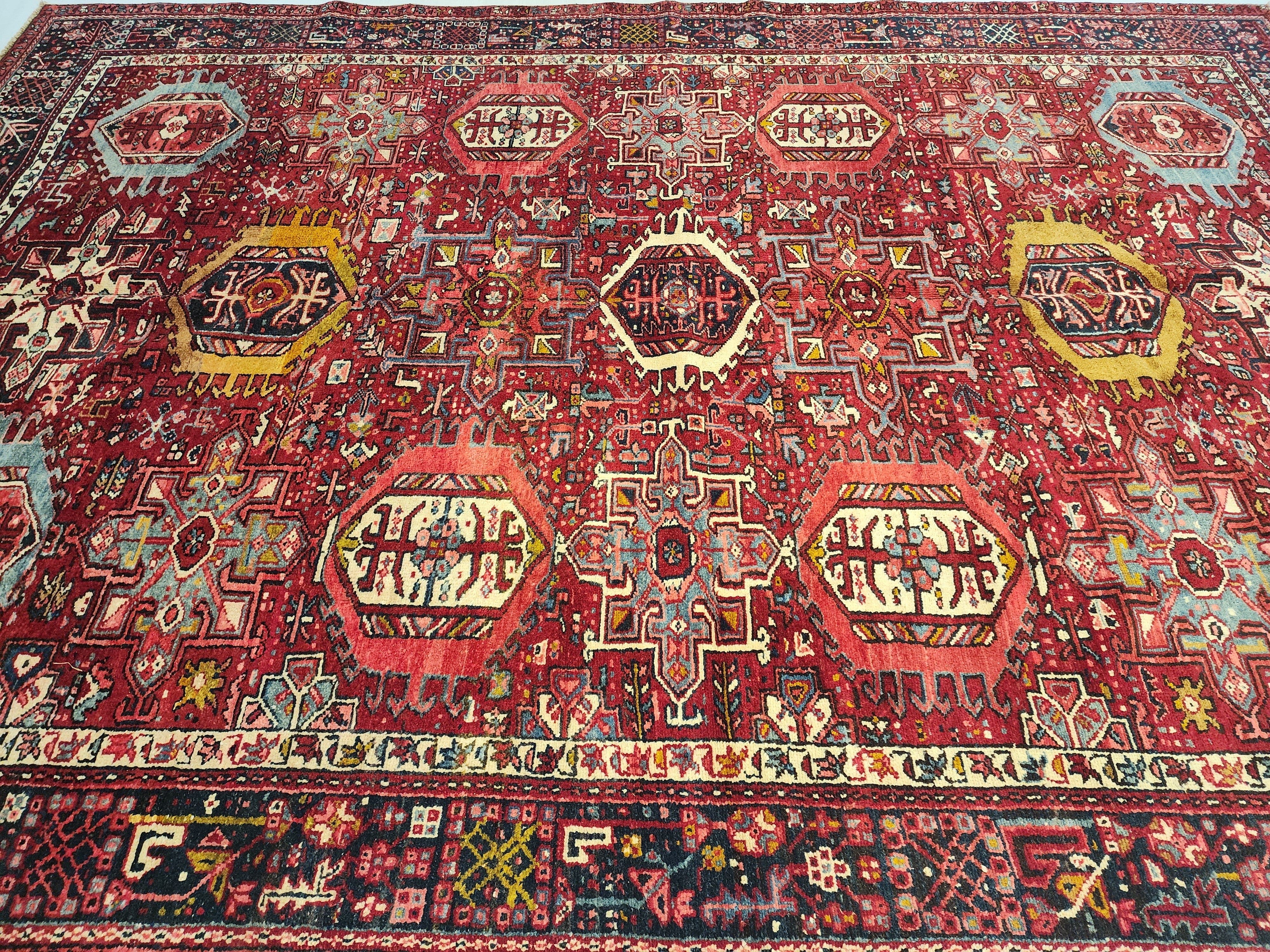

The Story of Anatolian Kilims: Silent Letters of the Loom
Anatolian kilims are far more than just beautiful floor coverings; they are silent letters, woven thread by thread, carrying the emotions, secrets, and prayers of the women who made them. In traditional Anatolian culture, women often could not openly voice their grief, love, hopes, or heartbreaks. Instead, they took to their looms, turning their emotions into a vibrant language of colors and geometric motifs.
One of the most famous and heartbreaking stories that illustrates this unspoken language is "The Story of Elif’s Kilim."
The Story of Elif’s Kilim: A Tale of Forbidden Love
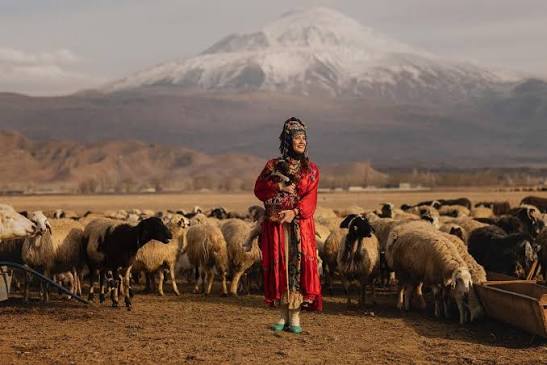
Long ago, in a remote mountain village in Anatolia, lived a beautiful young girl named Elif. She was deeply in love with Ali, the village shepherd, who loved her just as fiercely in return. However, Elif’s father was a wealthy and powerful village landlord. Deeming a poor shepherd unworthy of his daughter, he arranged for Elif to marry the son of another wealthy landlord against her will.
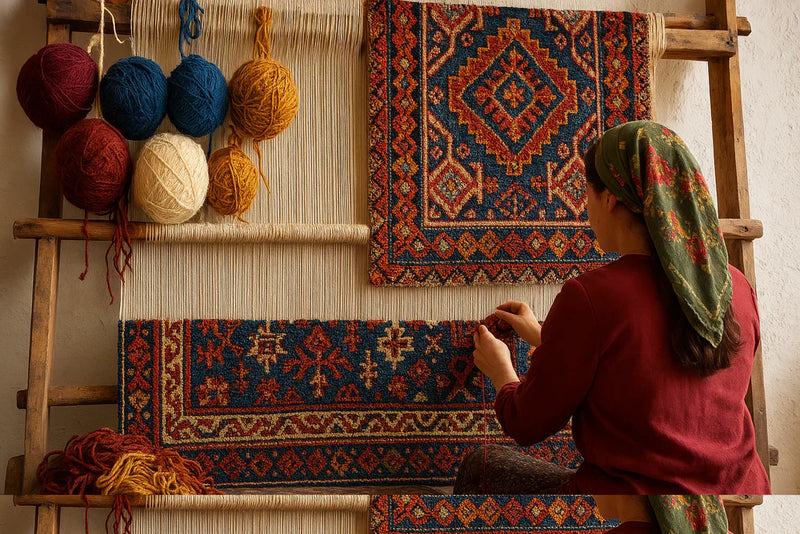
In those times, it was considered deeply disrespectful for a young woman to oppose her elders or openly say, "I love someone else." Trapped by tradition, Elif was completely helpless. She could not speak her truth, and her tears went unnoticed. Realizing her voice would never be heard, she sat down at her weaving loom to let her hands speak for her heart.
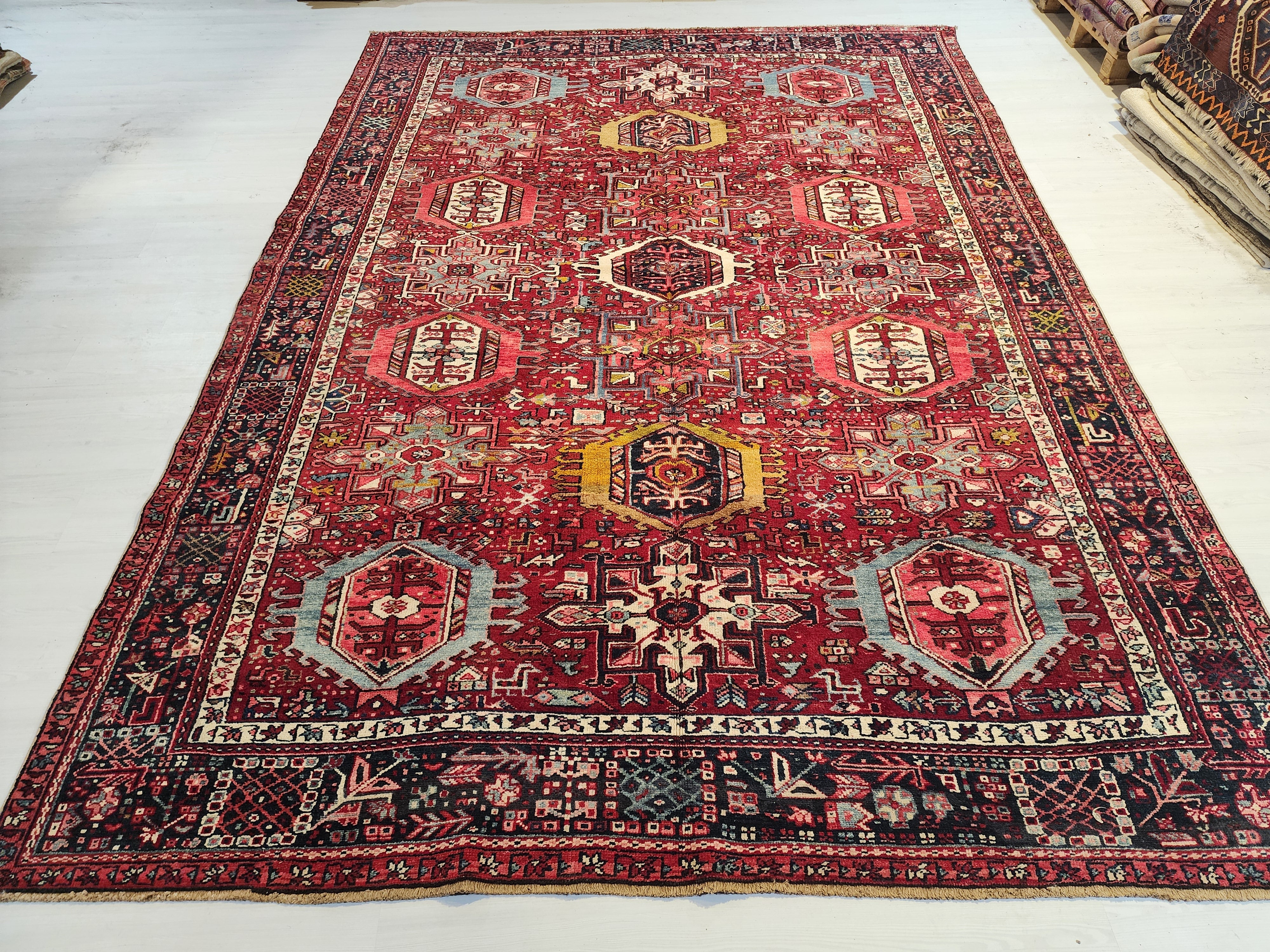
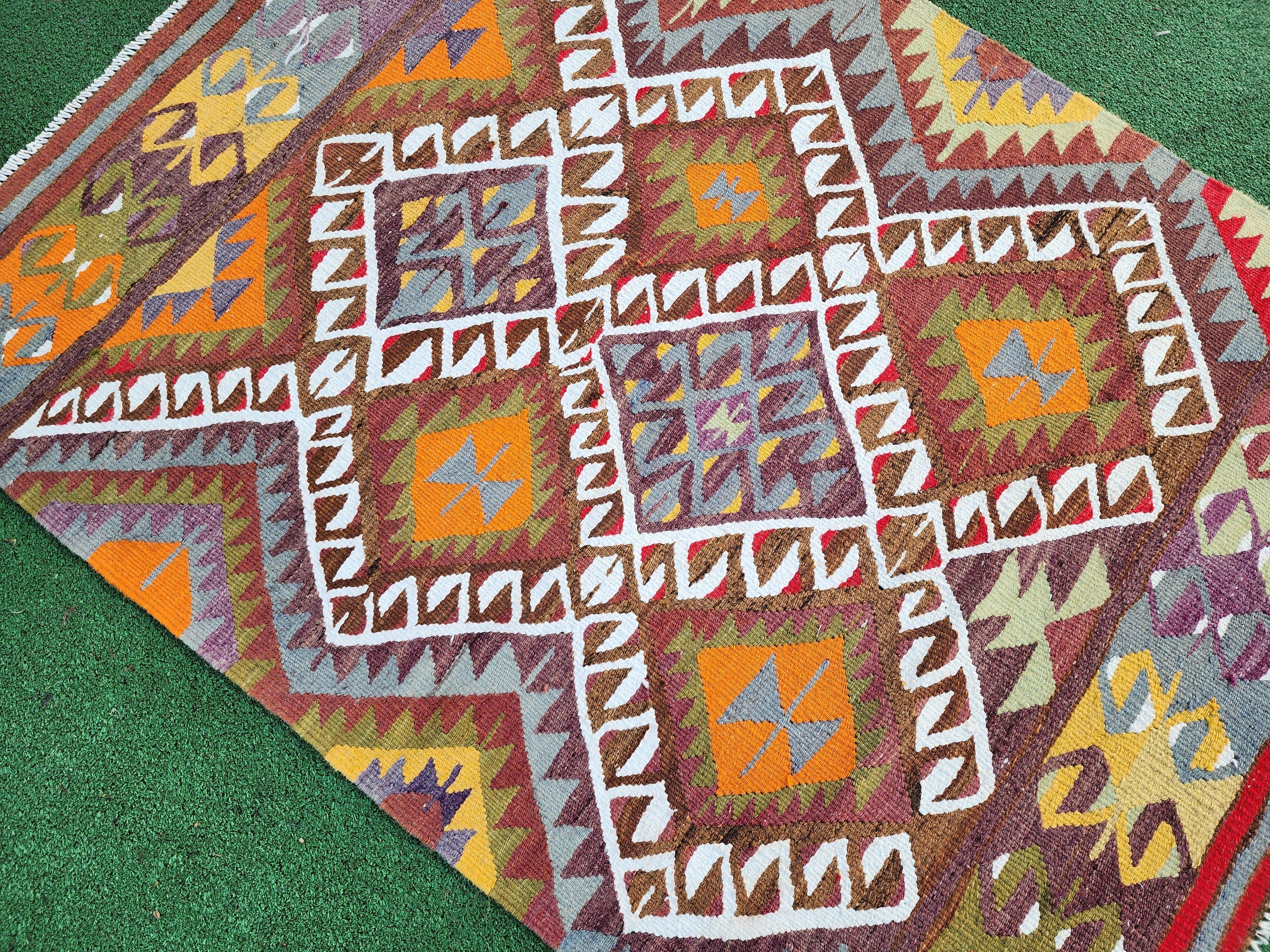
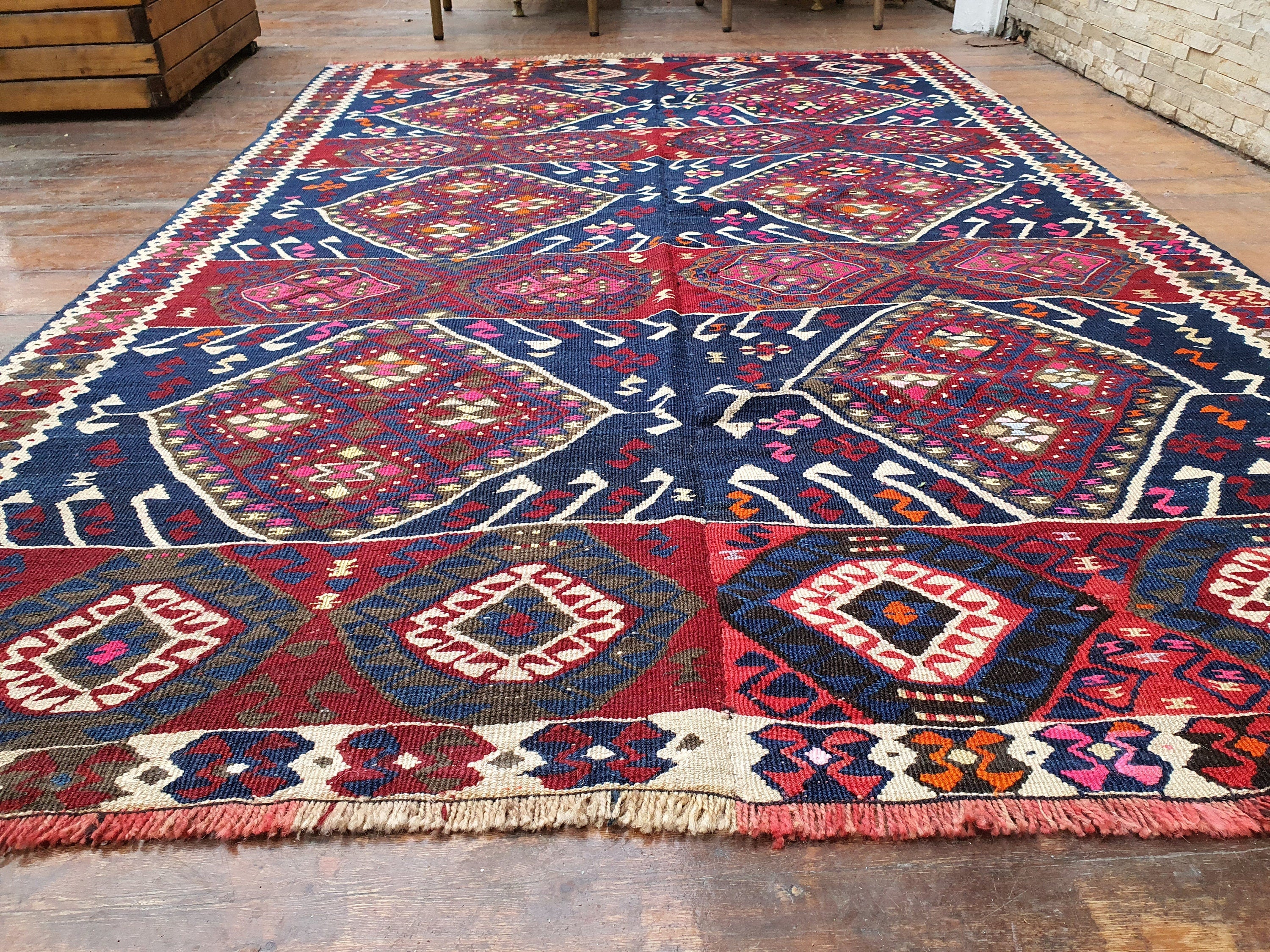
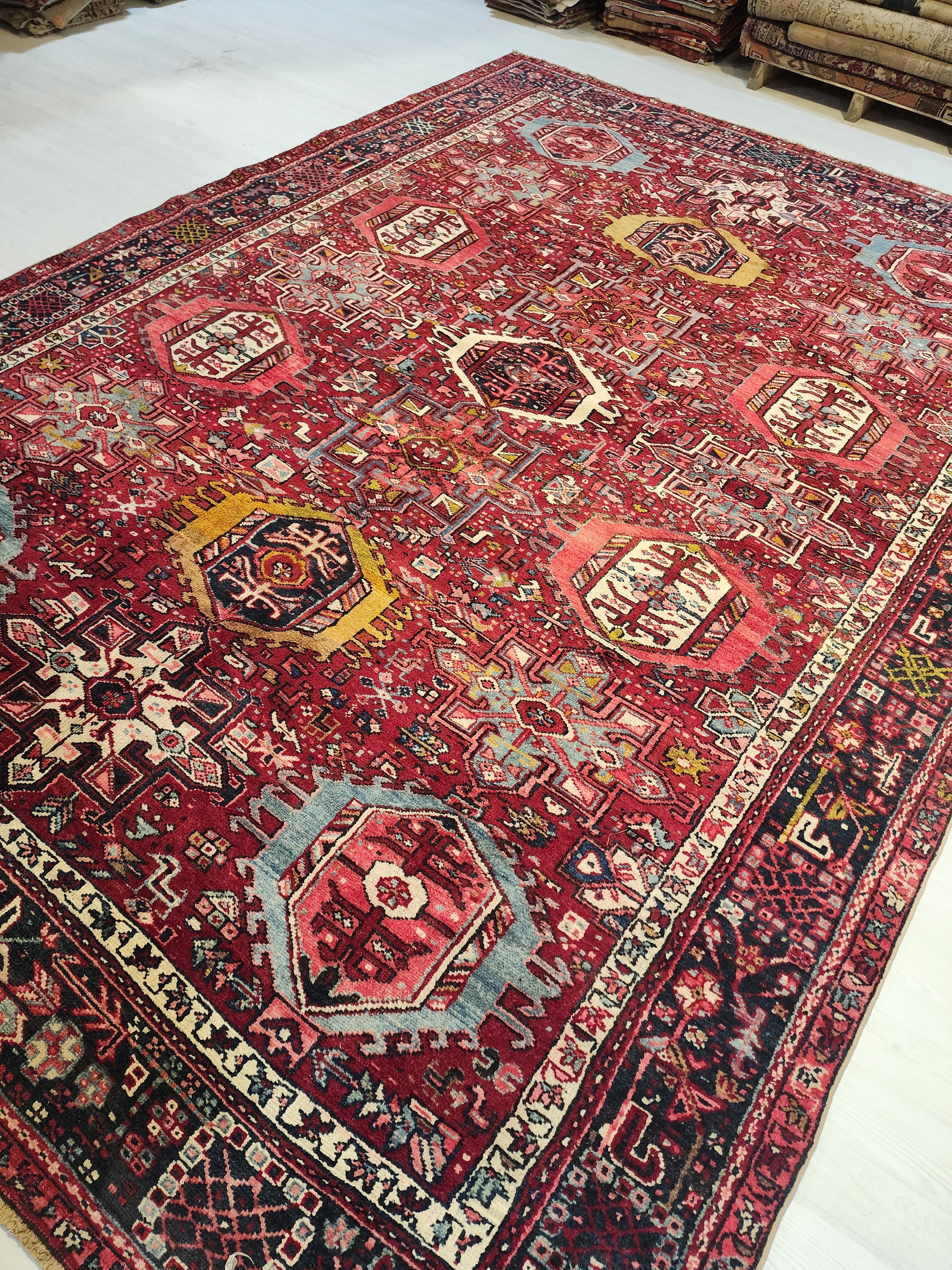
Elif wove day and night for weeks. When the kilim was finally finished, it wasn’t just a textile; it was a loud, visual scream for help.
-
The Color Red: Symbolized the burning fire within her chest and her undying passion for Ali.
-
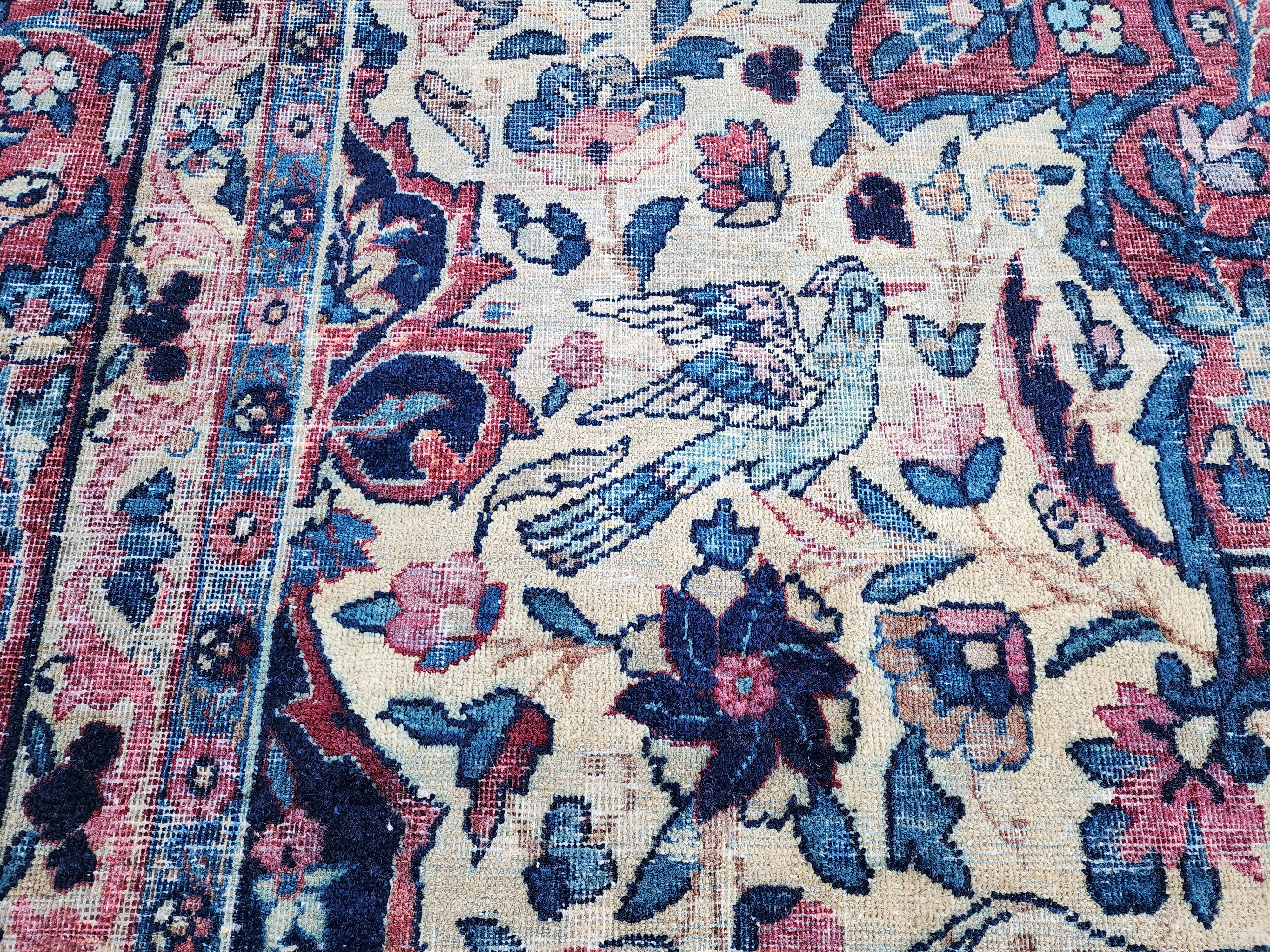
Bird Motifs: Represented longing, freedom, and the messages of love she could not fly out to her beloved.
-
The "Elibelinde" (Hands-on-Hips) Motif: Symbolized female power, pride, and her internal resilience against this injustice.
-
A Large Hook and Chain Motif in the Center: Indicated that she was being forcibly bound and shackled to a marriage she did not want.
-
The "Eye" Motif: Woven to ward off the evil eye and the cruel judgments of the village that tore them apart.
As the wedding procession arrived to take Elif to her new village, she left her freshly woven kilim in the middle of the village square. Ali and the villagers gathered around it. The village elders, who knew how to read the language of the loom, instantly understood its meaning. "This is not a kilim; this is Elif’s cry," they declared.
When Elif's father looked closely and read his daughter's silent, agonizing plea through the motifs, he realized the gravity of his mistake. While the true ending of Elif and Ali's fate remains a mystery of the past, this story cemented a timeless truth in Anatolia: "A kilim speaks what the heart feels; a kilim is love, a kilim is a language."
Decoding the Symbols: A Quick Guide to Anatolian Motifs
Every geometric symbol on an Anatolian kilim tells a specific story:
-
Ram’s Horn (Koçboynuzu): Symbolizes power, heroism, and fertility. It is often woven to represent masculinity and strength.
-
Burdock (Pıtrak): A prickly plant that sticks to clothing. In rugs, it is woven to ward off bad luck and bring abundance.
-
Running Water (Su Yolu): Highlights the vital importance of water, representing the flow of life, rebirth, and eternity.
-
Tree of Life (Hayat Ağacı): Symbolizes immortality, the connection between heaven and earth, and the continuity of family generations.
Anatolian kilims are the literature, history, and raw human emotion of women who didn’t write books, but instead chose to weave their souls into history.