



How to Clean a Wool Rug at Home: Safe Steps for Spots, Odours and Washing
Quick answer: To clean a wool rug at home, vacuum with suction only, blot spills at once with a white cloth, and treat stains with a teaspoon of wool-safe detergent in a cup of cool water. Rinse by blotting, then dry flat with a fan. Avoid hot water, bleach and steam, and leave antique pieces to a specialist.
Can You Clean a Wool Rug at Home?
Yes, in most cases you can, and for routine dirt you should. Wool is naturally resilient: the fibre has a scaly surface and a light lanolin content that resist soaking, so fresh spills and everyday dust sit on top for a while before they sink in. That gives you time to act. What wool dislikes is heat, harsh chemistry and too much water for too long.
Before you start, sort the job into one of three levels. Level one is dry maintenance (vacuuming, shaking, rotating). Level two is spot treatment of a fresh stain. Level three is a full wash. Most homes only ever need levels one and two, and many vintage rugs should never go past level two without a specialist.
If your rug is a hand-knotted vintage or antique piece, read our wider guide to caring for a vintage wool rug as well. This article focuses on the practical, step-by-step cleaning you can do on the floor of your own home.
What You Need Before You Begin
- A vacuum with a suction-only mode or with the beater bar switched off.
- Two or three clean white cotton cloths or towels (white, so no dye can transfer).
- A pH-neutral wool-safe detergent, or a small amount of clear, mild liquid soap with no bleach or optical brighteners.
- Cool or lukewarm water, never hot.
- A soft brush, such as a clean hairbrush or a soft upholstery brush.
- Plain white vinegar and bicarbonate of soda (baking soda) for specific situations.
- A fan and, ideally, a clothes airer or a few clean plastic-wrapped blocks to lift the rug while it dries.
Always test any product first. Dab a little diluted detergent on a hidden corner or on the fringe edge of the back, press with a white cloth for 30 seconds, and check for colour on the cloth. Natural dyes and some older synthetic dyes can bleed, especially reds and deep browns.
How Do You Vacuum a Wool Rug Properly?
Vacuuming is the single most useful thing you can do. Grit works down between the knots and cuts the wool at its base like tiny blades, so removing it protects the rug far more than any wash.
- Switch off the beater bar or rotating brush. It can snag loops and fray the pile. Use suction only.
- Vacuum in the direction of the pile first, then lightly against it to lift trapped dust.
- Never vacuum the fringe. Run the nozzle toward the fringe from the rug's body, not across it.
- Turn the rug over every few months and vacuum the back. Dirt often falls out from behind more easily than it comes out from the front.
In a busy room, vacuum once a week. In a bedroom or lightly used corner, every two weeks is enough. Rotate the rug 180 degrees every three to six months so sunlight and foot traffic wear evenly.
Shaking and beating
Small rugs (up to about 3 x 5 ft / 90 x 150 cm) can be shaken outdoors. Do not beat a vintage rug hard: old foundations of cotton or wool can be dry and brittle, and aggressive beating breaks warp threads. A gentle shake is plenty.
How Do You Spot Clean a Wool Rug Stain?
Speed matters more than product. The method is almost always the same, and the main rule is to blot, never rub. Rubbing pushes the stain deeper and roughens the pile.
- Lift off any solids with a spoon or a blunt knife.
- Blot with a dry white cloth, working from the outside of the stain toward the centre so it doesn't spread.
- Mix one teaspoon of wool-safe detergent into a cup (about 240 ml) of cool water. Dampen a cloth with it and blot the area.
- Rinse by blotting with a cloth dampened in plain cool water. Repeat until no suds remain.
- Press a dry towel on the spot with your weight on it for a minute to draw up moisture.
- Let it air dry, with a fan if possible.
Quick reference by stain type
| Stain | First step | Avoid |
|---|---|---|
| Red wine | Blot, then dilute with a little cool water and keep blotting. Salt can help absorb the liquid | Hot water, rubbing |
| Coffee or tea | Blot, then dilute detergent solution | Letting it dry in |
| Mud | Let it dry fully, then break up and vacuum | Wiping while wet |
| Wax | Harden with an ice pack, lift off carefully | Ironing on the rug |
| Pet accident | Blot, then diluted white vinegar (1 part to 3 parts water), then rinse | Ammonia-based cleaners |
| Grease or oil | Cover with bicarbonate of soda for several hours, then vacuum | Pouring water on it |
Does Baking Soda Work on a Wool Rug?
Baking soda is a good, gentle freshener for dry odours. Sprinkle a thin, even layer over the rug, leave it for several hours or overnight, then vacuum thoroughly. It absorbs smells and light oils without wetting the fibres. Always vacuum it all out afterwards, because leftover powder can dull dark colours and attract dirt.
Use it as a dry treatment only. Mixing it with vinegar creates fizz that looks dramatic but leaves little cleaning power behind, and wool prefers a gentle, near-neutral pH. If a rug smells musty, the cause is usually moisture, so move it to a dry, ventilated place first; then use the powder method.
How Do You Wash a Wool Rug Completely?
A full wash is a bigger commitment, and we only suggest it for sturdy, small to medium rugs in good condition, with colours that passed your bleed test. Large, very old or fragile pieces are better left to a professional rug cleaner who will wash them flat and dry them under controlled conditions.
- Vacuum both sides first. Washing a dusty rug turns the dust into mud.
- Lay the rug flat on a clean, waterproof surface such as a patio, garage floor or bath tub for small pieces.
- Wet the rug lightly with cool water from a hose or a bucket. Do not saturate.
- Work a diluted wool-safe detergent into the pile with a soft brush, moving in the direction of the pile.
- Rinse repeatedly with cool water until the water runs clear. Leftover soap attracts dirt, so this step matters.
- Press out water by walking on a towel placed over the rug, or by rolling it. Do not wring or twist; it distorts the weave.
- Dry flat, raised off the floor so air reaches the back. Use a fan. Avoid direct sun and radiators; sun fades dyes and heat shrinks wool.
Drying should take one to two days. If any part still feels cool and damp after 48 hours, keep the fan going. A rug that stays damp can develop mildew and weaken at the base.
What Should You Never Do to a Wool Rug?
- Never use bleach or chlorine products. They dissolve wool.
- Avoid hot water and steam cleaners. Heat can cause shrinkage and dye migration.
- Avoid carpet-cleaning machines for hand-knotted rugs. They push too much water into the foundation.
- Do not use the dryer or tumble. It felts wool.
- Do not leave a wet rug on a wooden floor. Moisture can leave marks on the floor and on the rug.
Is It Different for a Vintage or Antique Turkish Rug?
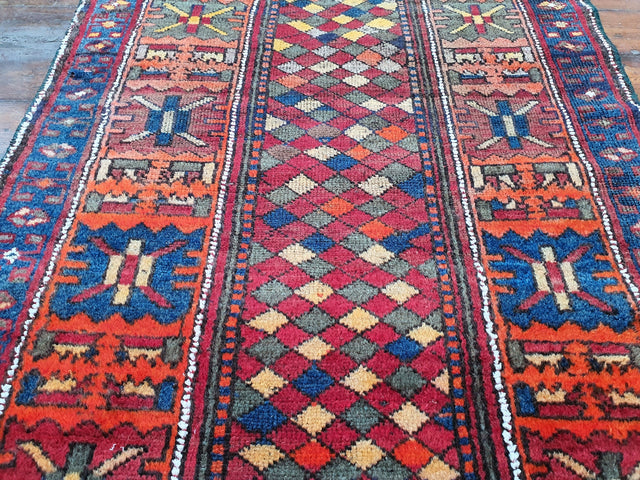
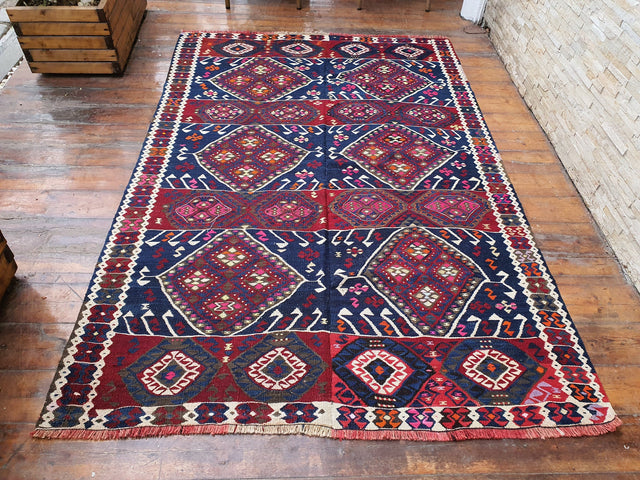
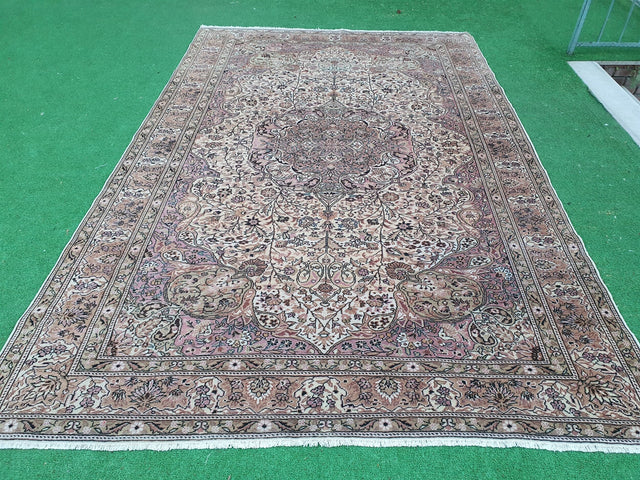
The basic rules are the same, but the margin for error is smaller. Hand-knotted Anatolian rugs are woven from wool pile on a cotton or wool foundation, and some are dyed with natural dyes that may be sensitive. Many vintage pieces have been washed by hand at the gallery before sale, but each one is different, and age leaves the foundation less forgiving.
We recommend that you limit yourself to dry maintenance and spot cleaning on anything antique, and have a specialist handle a full wash. Not sure how old a piece is? See how to tell if a rug is vintage for easy checks. If a rug has faded unevenly, our faded rug guide explains what is and is not fixable.
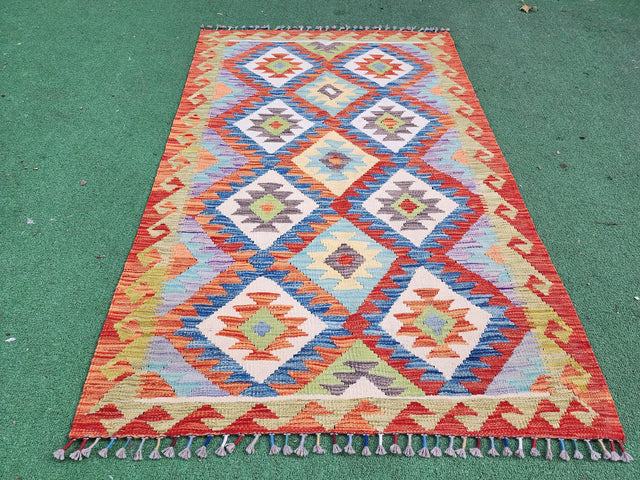
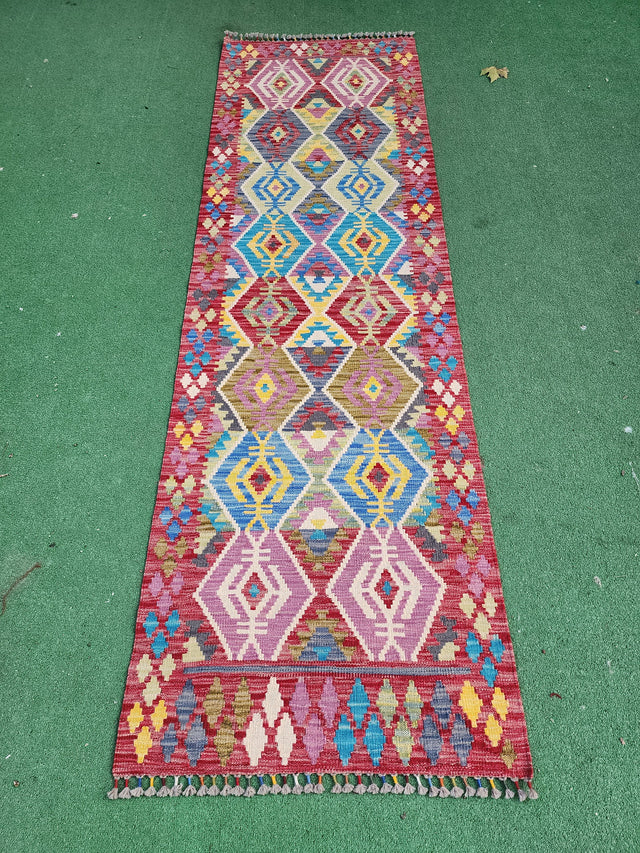
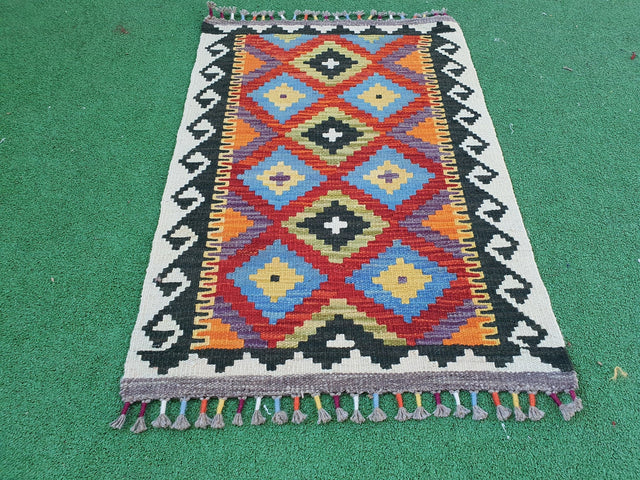
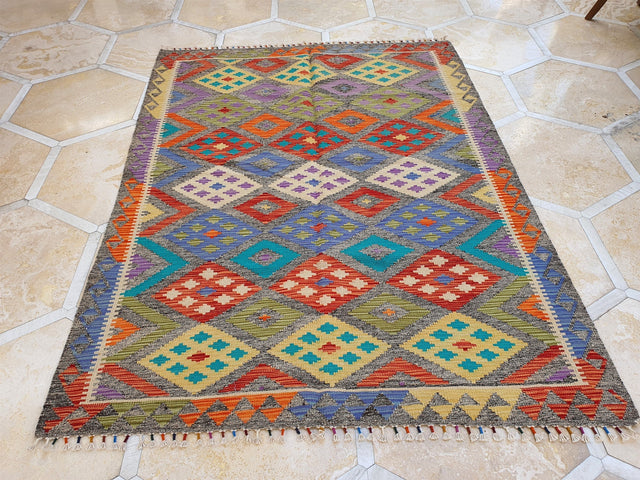
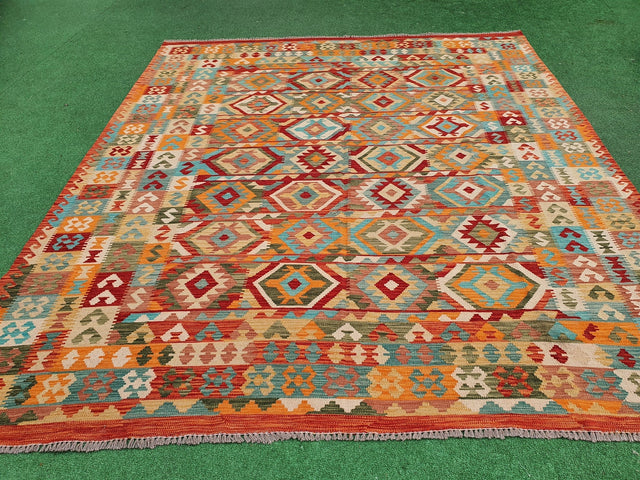
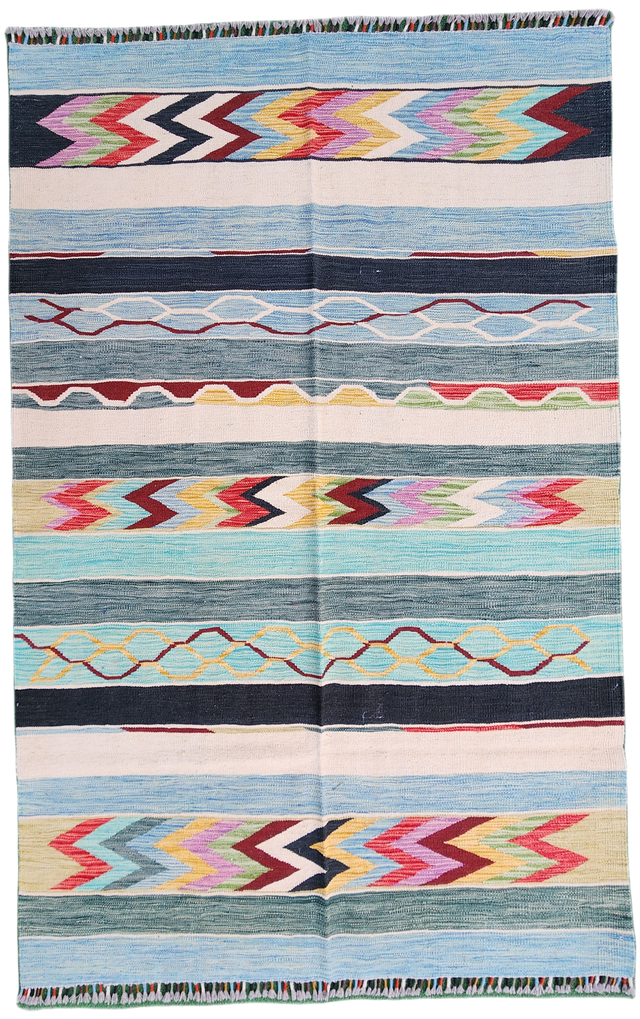
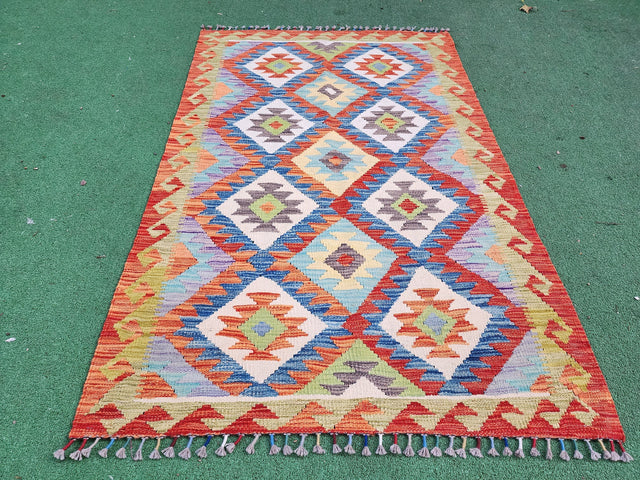
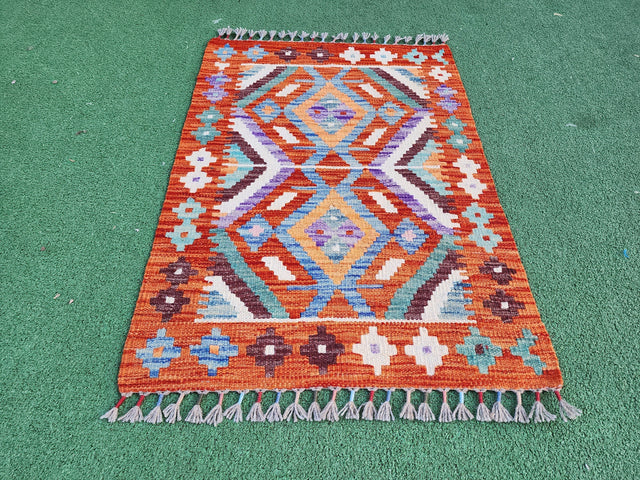
A flatwoven kilim is lighter and has no pile to trap dirt, so shaking and vacuuming on low suction work well, and it is usually easier to wash than a thick pile rug. If you are choosing, browse our kilim and flatwoven rugs or our wool rugs.
How Often Should You Clean a Wool Rug?
| Task | Living room / hallway | Bedroom / low traffic |
|---|---|---|
| Vacuum | Weekly | Every 2 weeks |
| Rotate 180 degrees | Every 3 months | Every 6 months |
| Vacuum the back | Every 3-4 months | Twice a year |
| Full wash | Every 2-3 years if needed | Every 3-5 years if needed |
Those are guidelines, not rules. A rug in a home with pets or children, or one by an entrance, will need more attention than one under a bed.
Small Habits That Keep a Wool Rug Clean Longer
- Use a breathable rug pad. It stops slipping, lets air circulate and reduces the wear on the back.
- Take shoes off at the door, or at least put a doormat outside.
- Keep the rug out of constant direct sunlight, or rotate it to even out exposure.
- Deal with spills immediately, and keep a white cloth nearby for the purpose.
- Lift furniture legs onto small cups or pads and move them a little from time to time to avoid dents.
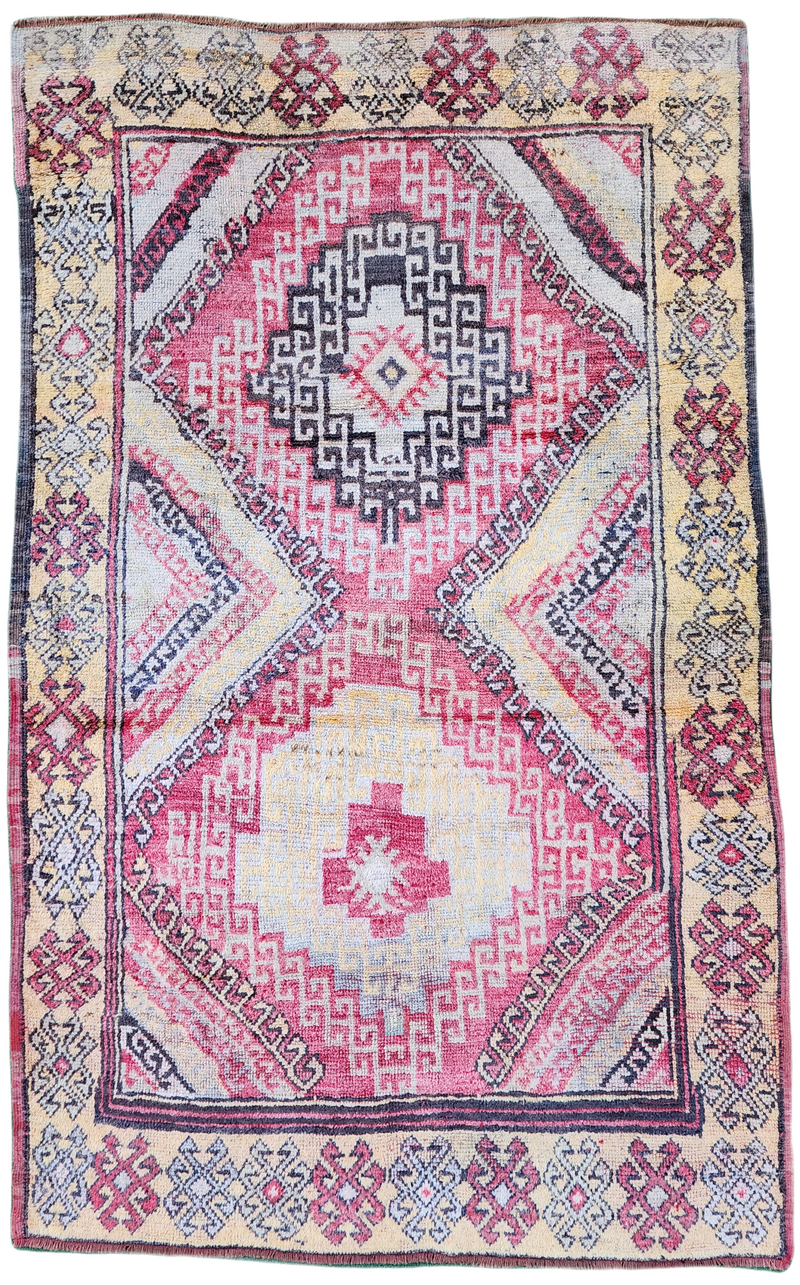
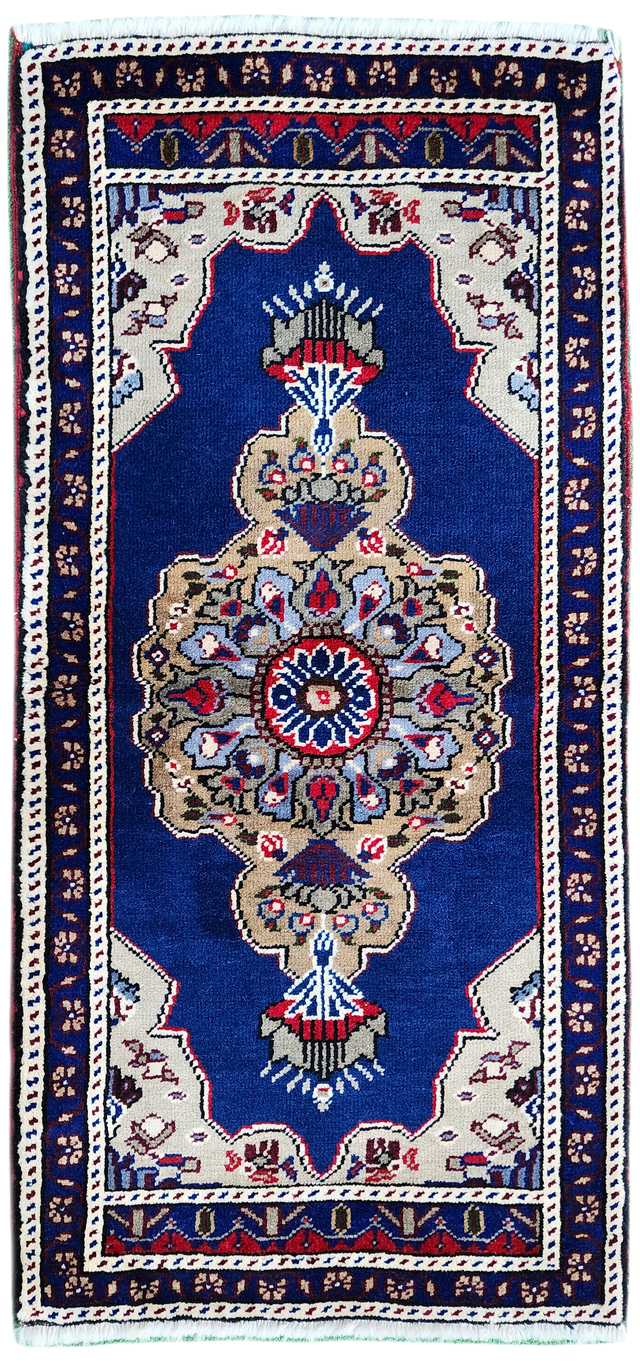
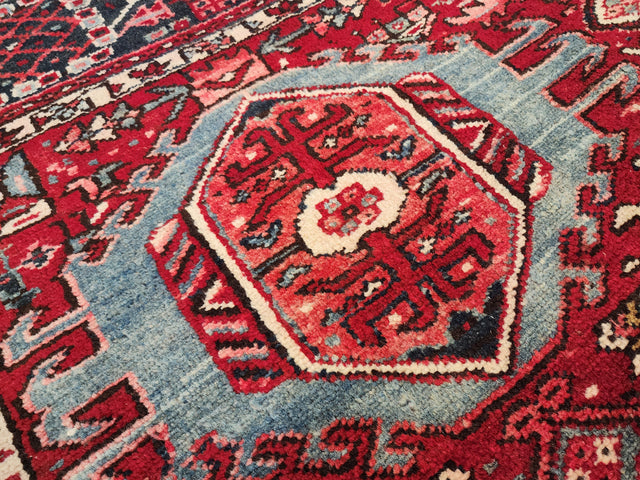
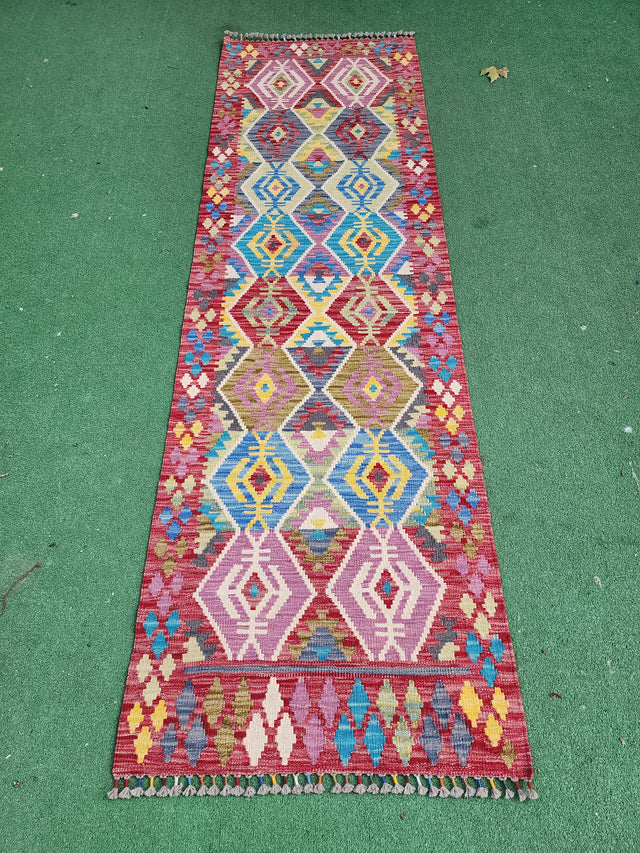
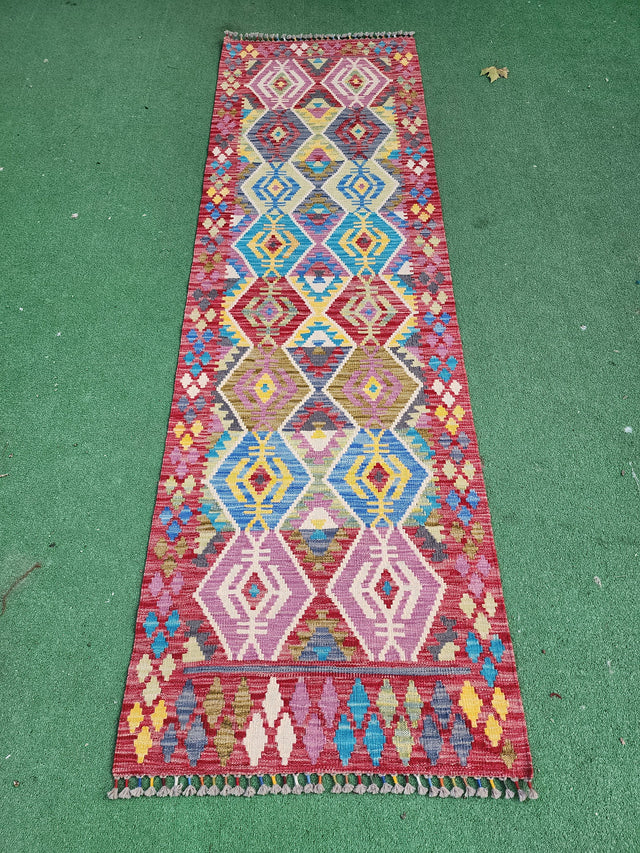
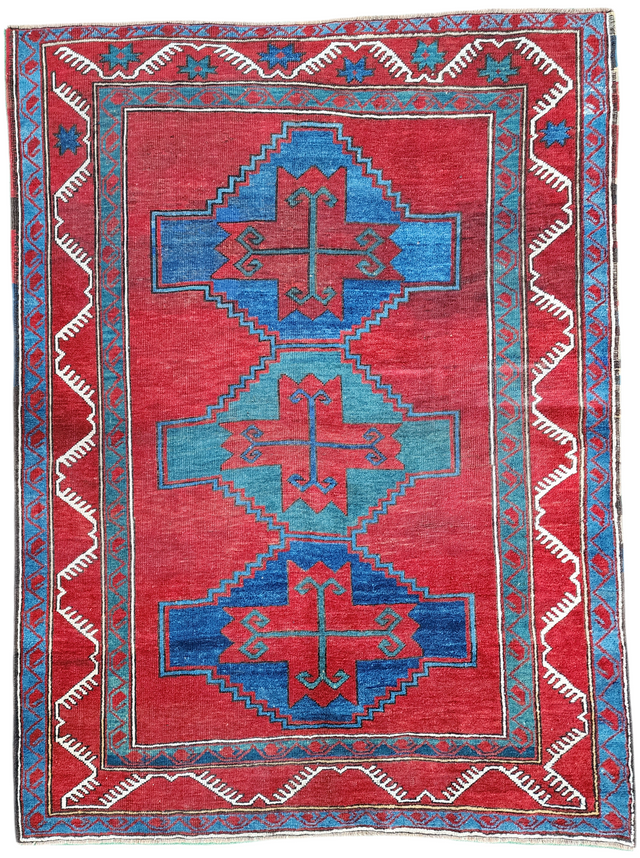
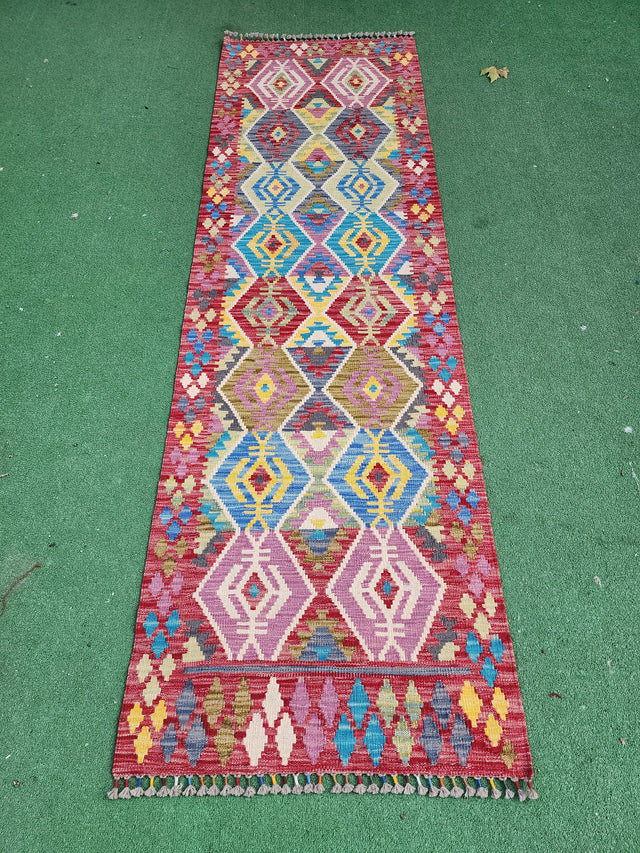
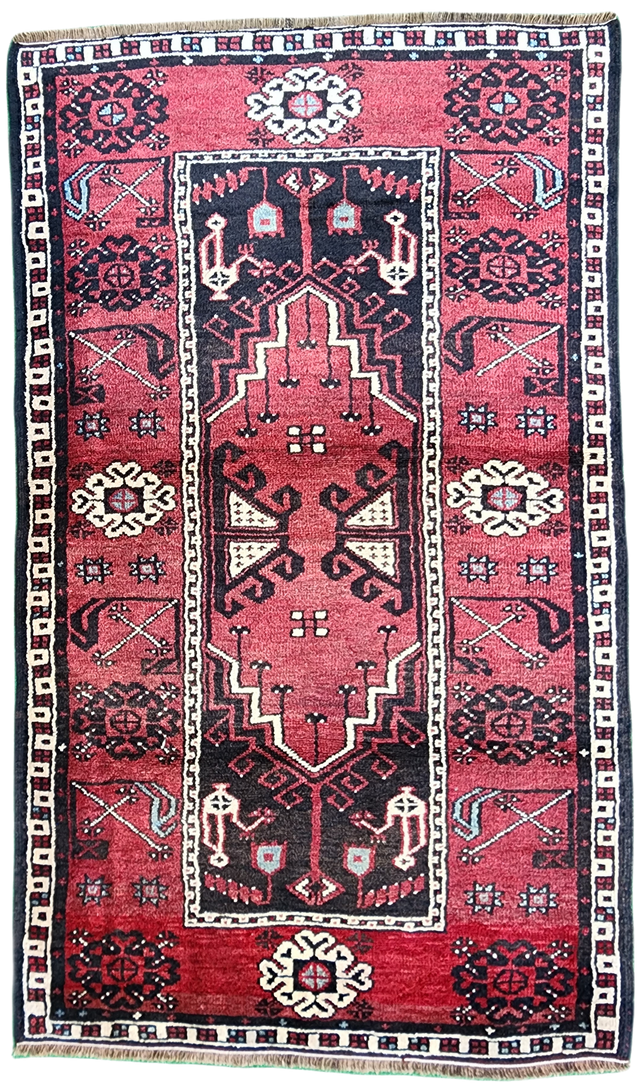
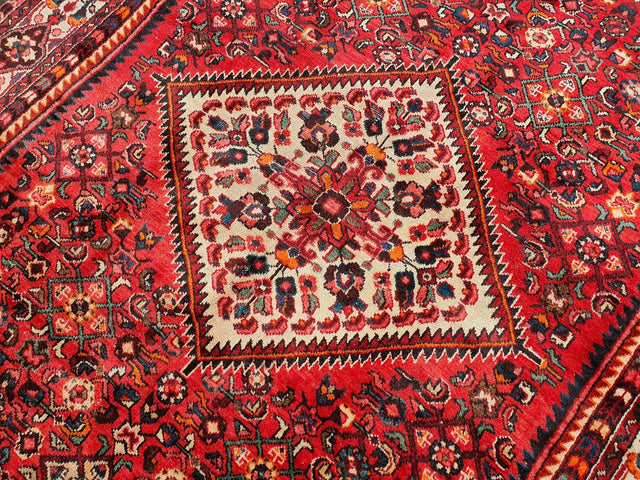
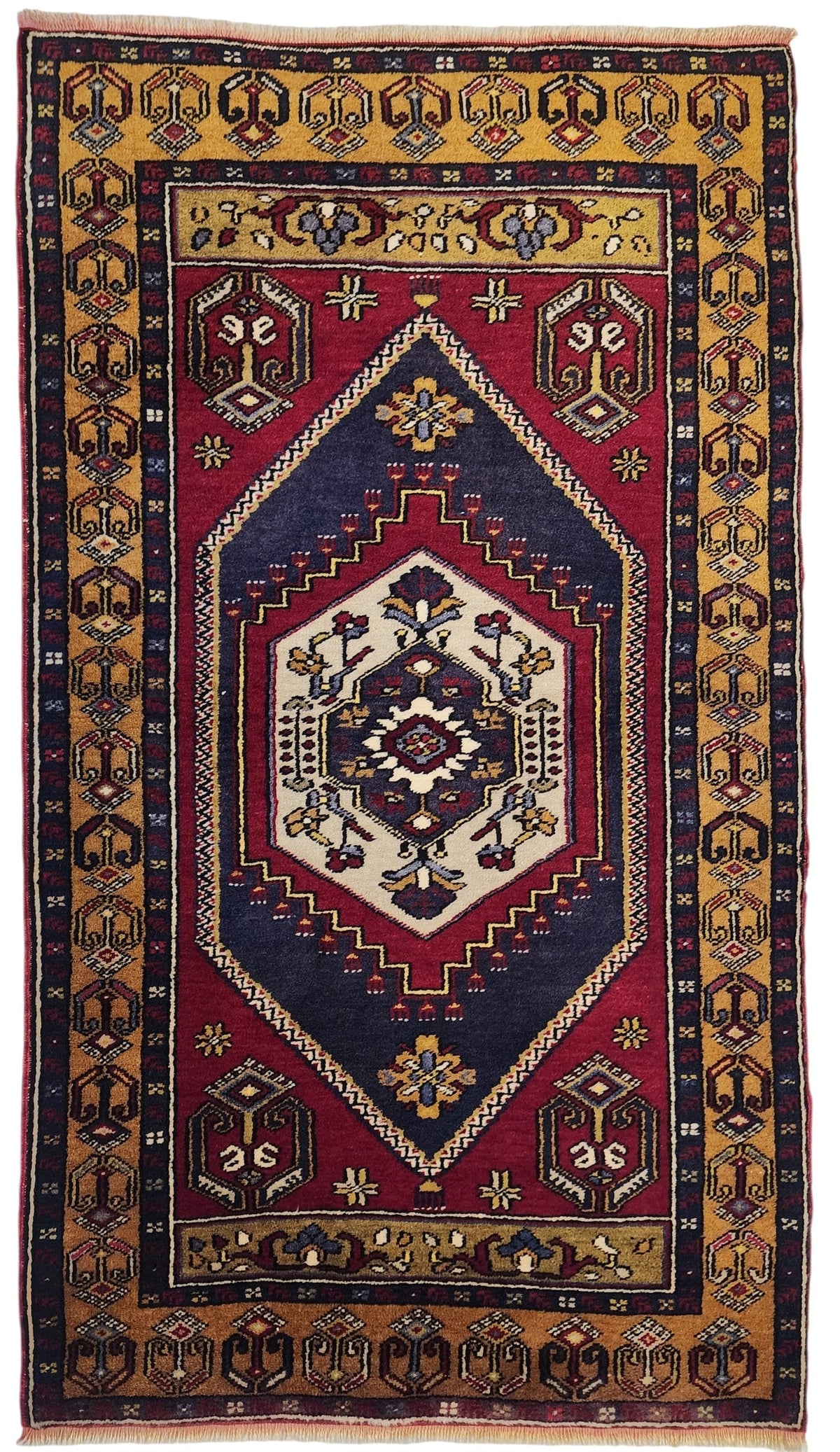
Wool sheds a little at first, which is normal for a handmade rug and settles after a few weeks of vacuuming. If you are looking for a piece that is easy to live with in a busy home, a shorter, denser pile and a mixed, medium-toned pattern hide everyday dirt very well. You can browse vintage rugs in a range of sizes and pick the one that suits your room. A small piece such as the vintage Yahyalı rug in red, blue and yellow (3x5 ft) is easy to vacuum, shake and care for.
Pieces from our collection
Every piece below is one of a kind and in stock today:
- Hekuba — Vintage Yahyalı Rug, 3x5
- Penthesilea — Vintage Işıklar Rug, 5x7
- Statira — Vintage Anatolian Wool Small Rug
Frequently asked questions
Can I use a steam cleaner on a wool rug?
We advise against it. Steam and hot water can shrink wool, make dyes run and push moisture deep into the cotton or wool foundation, where it dries slowly. Use cool water, a wool-safe detergent and gentle blotting, or hand a valuable rug to a specialist who washes rugs flat.
How do I get a smell out of a wool rug?
First find the cause. Musty smells usually mean trapped moisture, so air the rug in a dry, ventilated spot out of direct sun. Then sprinkle bicarbonate of soda, leave it overnight and vacuum it fully. For pet odours, blot, apply a weak vinegar solution, rinse with cool water and dry well.
Is it safe to wash a hand-knotted Turkish rug at home?
Small, sturdy pieces in good condition can be washed carefully by hand if the colours pass a bleed test. Large, fragile, or antique rugs are better handled by a professional. For everyday care, vacuuming without the beater bar and quick spot cleaning are safe and enough for most homes.
How long does a wool rug take to dry after cleaning?
Allow one to two days. Lay it flat, lift it off the floor so air can circulate beneath, and use a fan. Keep it away from radiators and direct sun. If it still feels cool and damp after 48 hours, continue drying, since lingering moisture can cause mildew.
Can I use carpet cleaner or shampoo on a wool rug?
Only if the label says it is safe for wool and pH-neutral. Many carpet shampoos are alkaline and leave residue that harms wool and attracts dirt. A teaspoon of mild, wool-safe detergent in a cup of cool water is gentler, and you should test it on a hidden corner first.
Written by the team at Heritage Nomadic Art Gallery in Sultanahmet, Istanbul, the gallery behind TurkishRug.com, where every rug and pillow is chosen, washed and photographed by hand. Last updated November 18, 2026.