Vintage Turkish Rug Throw Pillow: Sizes, Styling and Care
Quick answer: A vintage Turkish rug throw pillow is a cushion cover cut from a real hand-made Anatolian rug, finished with a cotton back and a concealed zipper. Choose 45 or 50 cm (18 or 20 in) for sofas, 30 x 50 cm for lumbar support, and buy an insert 2 to 3 cm larger than the cover.
A vintage Turkish rug throw pillow is a cushion cover cut from a worn-in, hand-made rug and fitted with a cotton back and a zipper. It gives you the colour, wool texture and pattern of a real Anatolian rug in a piece small enough to hold in two hands. Below we explain how these covers are made, what sizes work, how to style them and what to look for before you buy.
What Makes a Throw Pillow "Vintage Turkish Rug"?
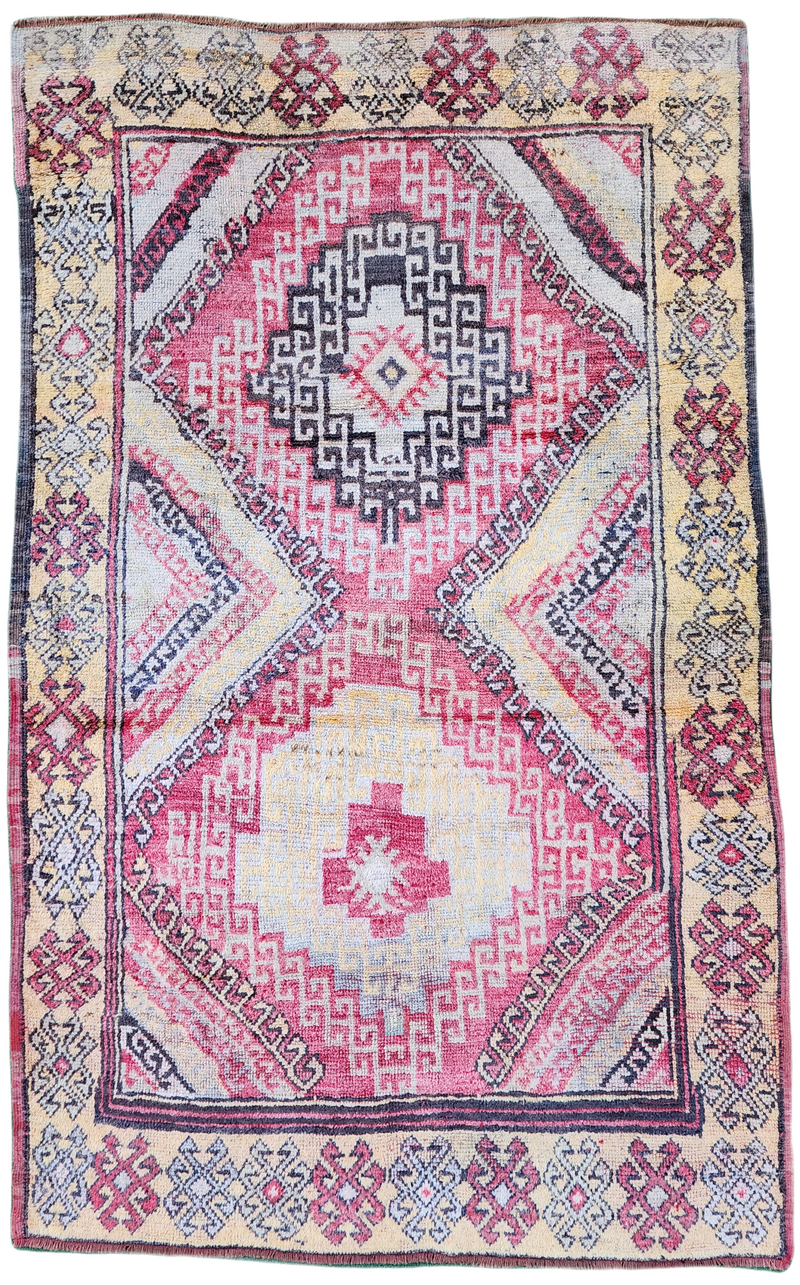
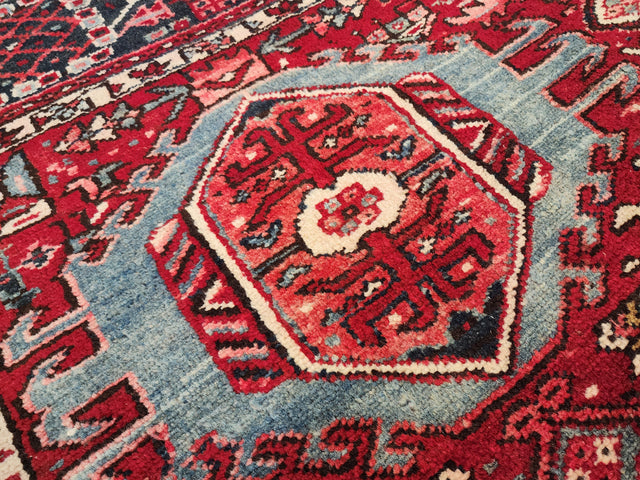
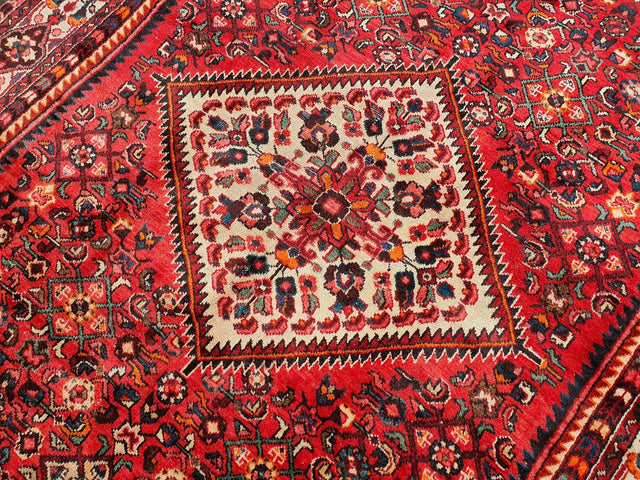
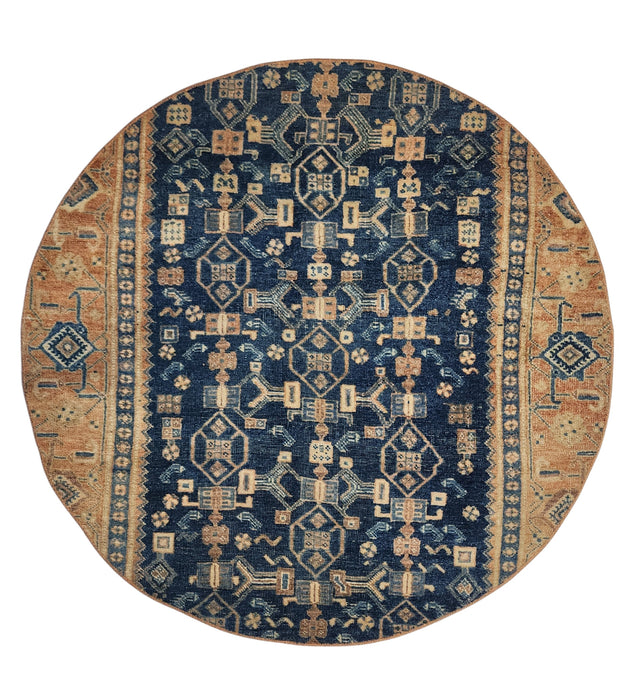
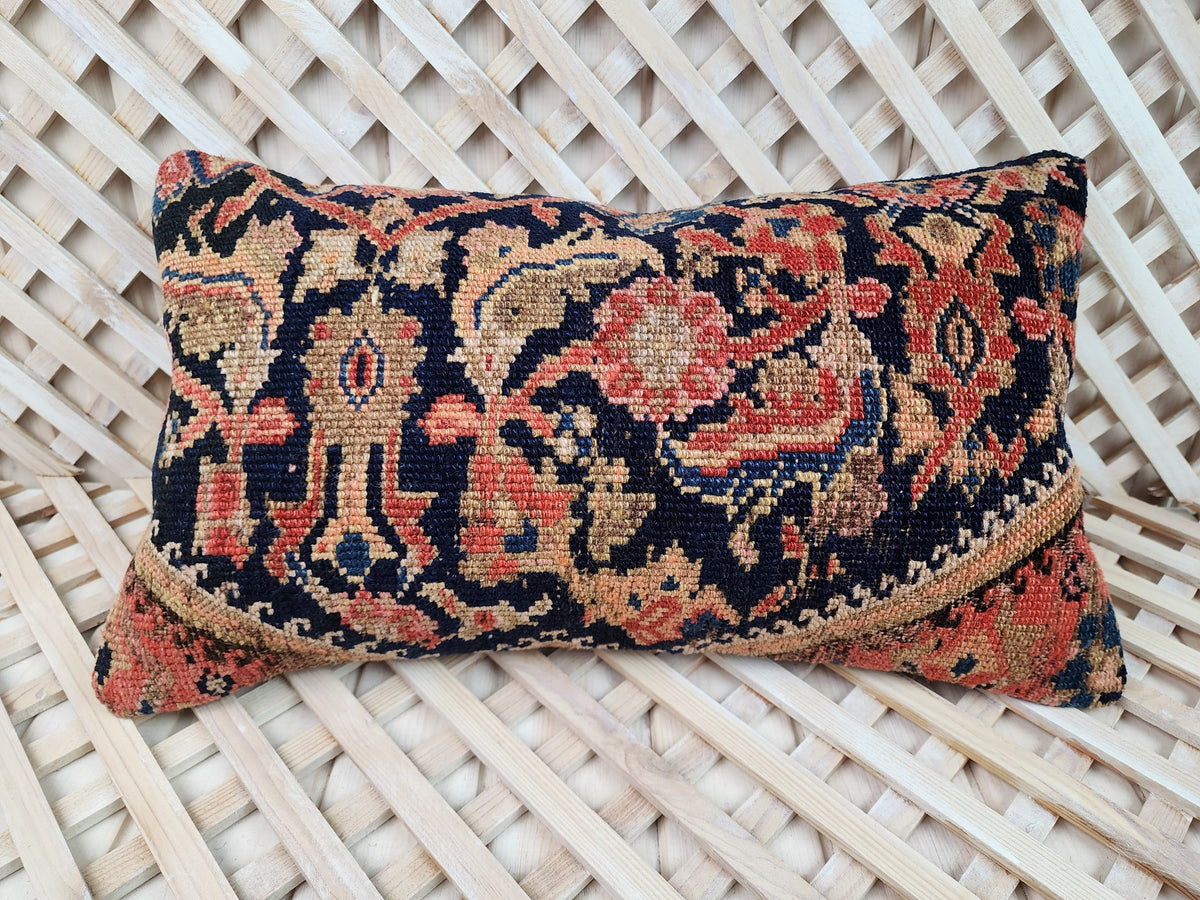
The front of the cover is a section of a genuine hand-made rug or kilim from Anatolia, not a printed pattern. Because it is cut from a real rug, no two covers are alike: the wool, the dye shades and the wear differ from one cover to the next, and each one is one of a kind.
Our covers have a cotton back and a concealed zipper. Inserts are not included, so you choose the fill that suits your sofa. Covers are sold singly or as a pair.
Rug face, kilim face and tulu face
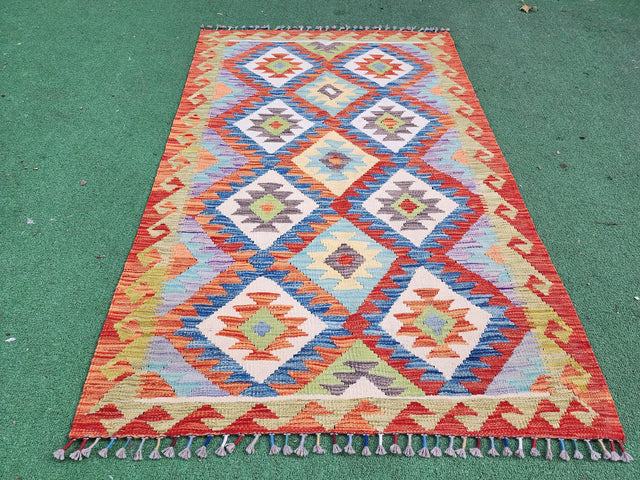
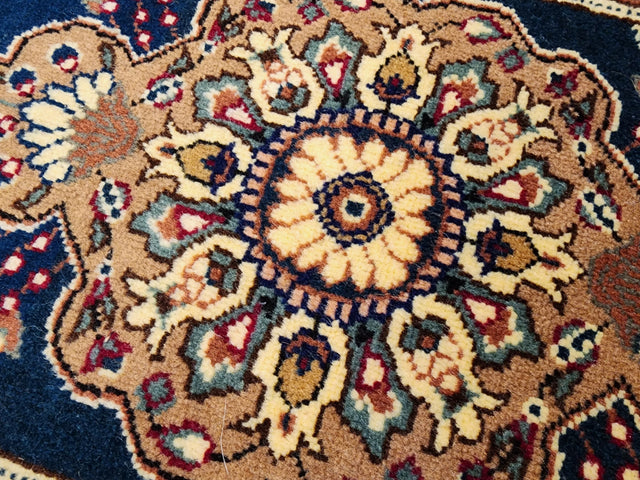
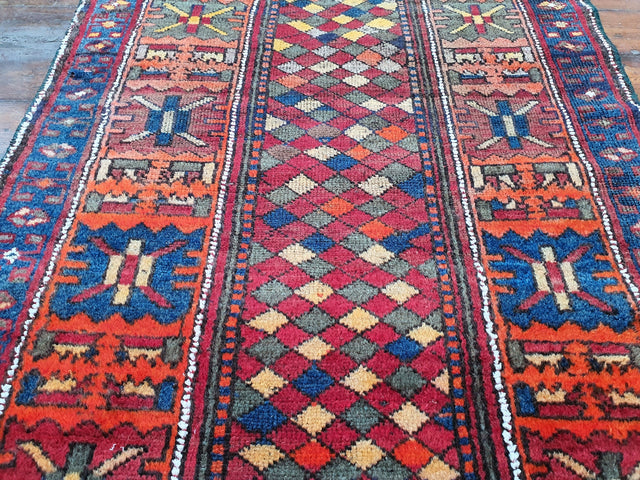
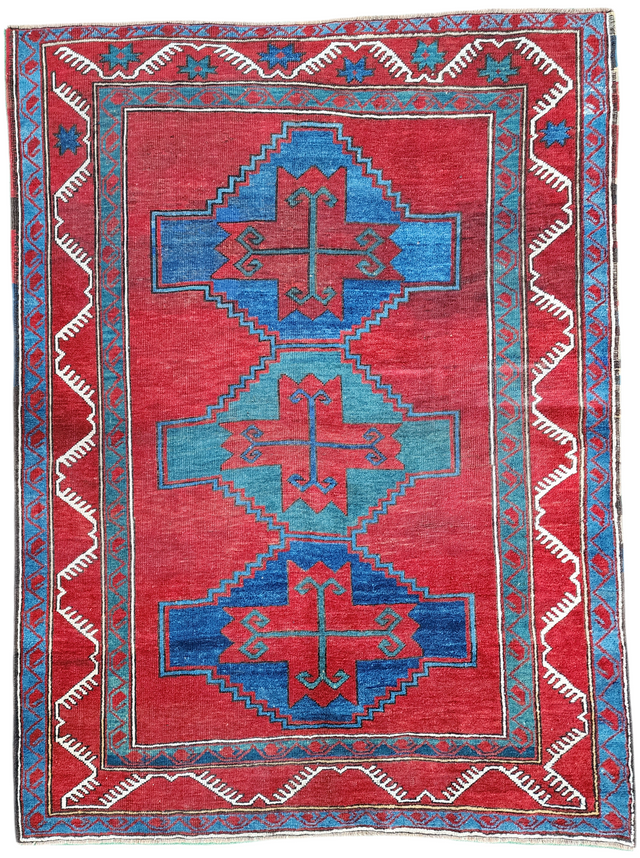
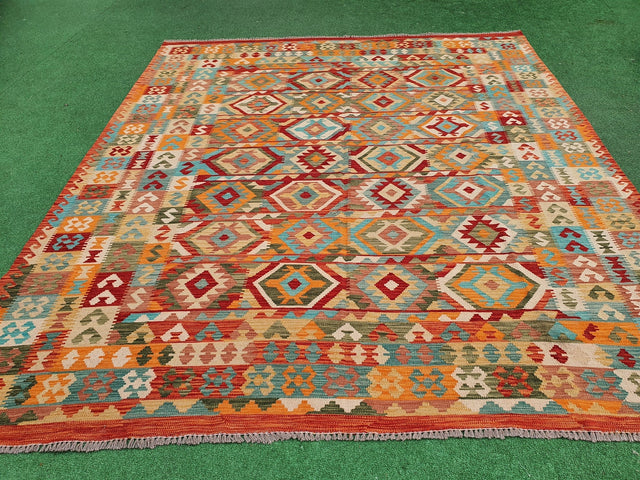
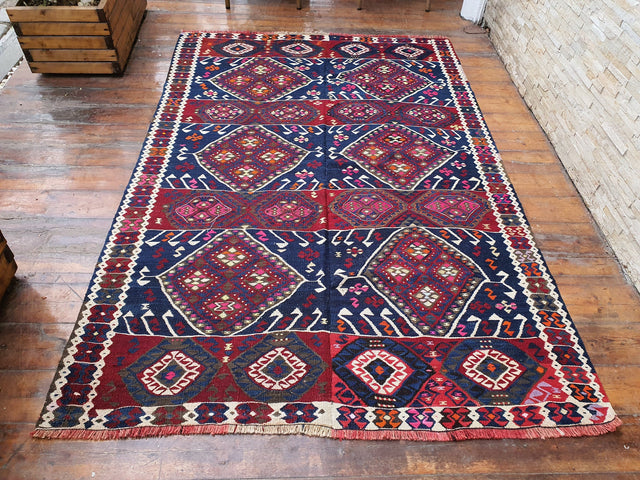
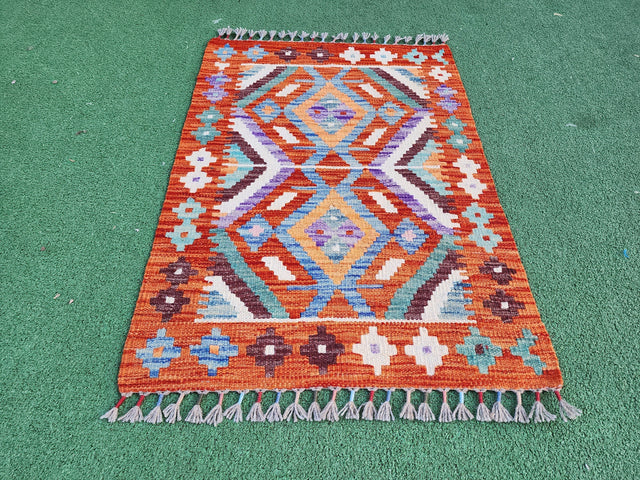
We cut covers from three kinds of source. A rug face comes from a knotted pile rug, so it feels dense and soft with a slight sheen from the wool. A kilim face is flat-woven and lighter, with crisp geometric edges. A tulu face is long, shaggy wool. This article is about the first group, but our guide to kilim, rug and tulu pillow covers compares all three side by side.
Why a worn rug works so well
Rugs that have been on the floor for decades have softened. Colours settle, the pile evens out, and the surface feels mellow rather than stiff. When the best part of a rug is cut into a cover, that mellow character comes with it. You can read more about how age is judged in our article on antique versus vintage Turkish rugs.
Which Size Throw Pillow Should You Choose?
Rug-face covers come in the usual cushion sizes, plus rectangular lumbar shapes, depending on the piece of rug available. Always read the exact size on the product page, because the cut follows the rug and is not standardised.
| Cover size | Inches | Best for |
|---|---|---|
| 40 x 40 cm | 16 x 16 in | Armchairs, small accents, layering in front of larger cushions |
| 45 x 45 cm | 18 x 18 in | Everyday sofa cushions, beds, window seats |
| 50 x 50 cm | 20 x 20 in | Large sofas, a fuller look |
| 60 x 60 cm | 24 x 24 in | Floor seating, oversized beds, statement pieces |
| 30 x 50 cm | 12 x 20 in | Lumbar support, chair backs, bench seats |
For a snug, plump result, choose an insert about 2 to 3 cm (roughly 1 inch) larger than the cover. A 45 cm cover looks best with a 48 cm insert. For one size in detail, see kilim cushion covers 60 x 60 cm.
How Do You Style Vintage Rug Throw Pillows?
The simplest rule is to let one element lead. If your sofa is plain, a single rug-face pillow in a strong colour gives it a focal point. If the room already has pattern, choose covers that pick up one shade from it.
- Pick a colour from the room. Take one shade from the rug, curtains or art and choose a cover that includes it.
- Mix scales. Combine a large-pattern cover with a quieter one so the patterns do not compete.
- Use odd numbers. Three covers on a sofa usually look more relaxed than two.
- Vary the sizes. Put a 50 cm cushion at the back and a 40 cm one in front.
- Add a plain companion. A linen or cotton cushion in a solid neutral lets the rug face stand out.
Pairing with a rug on the floor
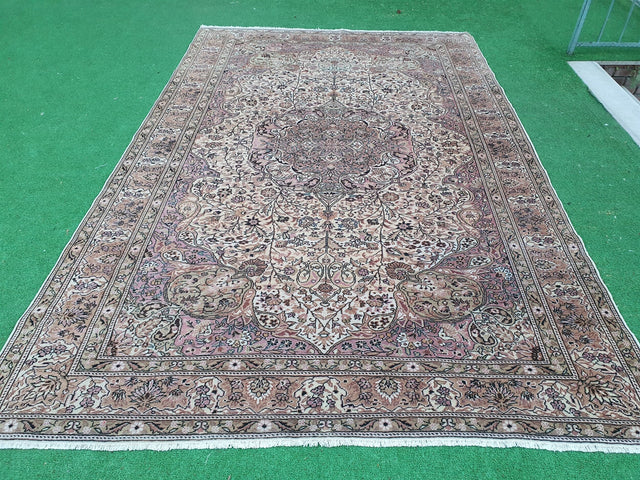
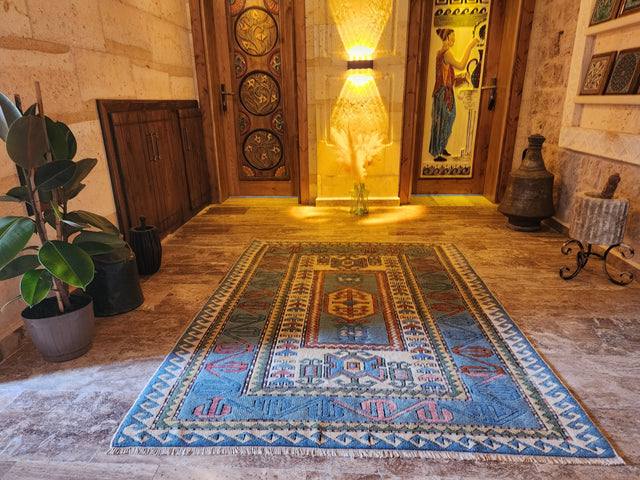
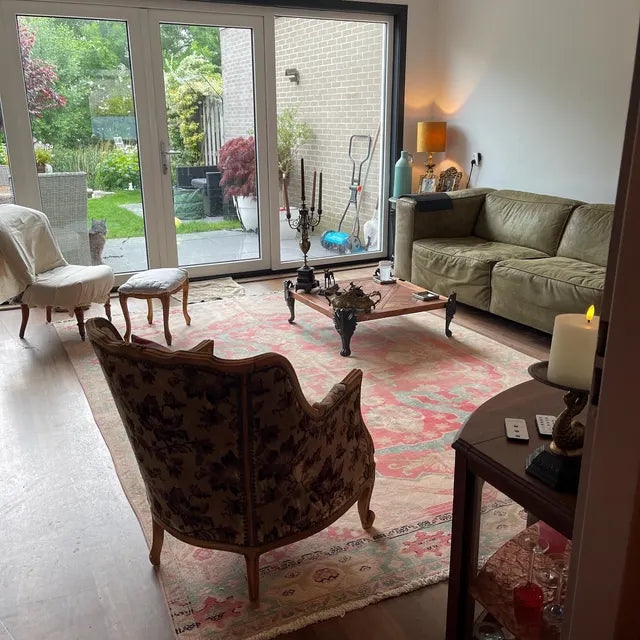
You do not need to match the rug underfoot exactly. Matching the same shades loosely, such as rust with terracotta or navy with indigo, often looks better than an identical pattern. We cover this in depth in rug and pillow combinations and in our general guide to styling Turkish rug pillow covers.
Rooms where they work
- Living room: on a leather, linen or velvet sofa, where the wool adds warmth.
- Bedroom: as a front-row accent on a bed, or on a bench at its foot.
- Reading corner: a 30 x 50 cm lumbar cover on an armchair.
- Entryway: on a bench, where a single cover lifts the corner.
What Should You Look For Before You Buy?
Because each cover is cut from a different rug, check the following on the product page and photos.
- Pattern placement. Look at where the motif sits on the cover. A centred medallion reads differently from an all-over repeat.
- Colour. Screens vary, so compare the photos in daylight if possible.
- Surface wear. Slightly lower pile in places is part of a vintage rug. It is not a defect.
- Back and zipper. Ours have a cotton back and a concealed zipper, so you can remove the cover and change the insert.
- Single or pair. If you want a matching set, check whether the listing is a pair.
Browse the full range in our rug pillow covers collection or look at everything in all cushion covers.
Choosing the insert
Inserts are not included. Down and feather inserts give a soft, slumped look. Polyester fibre fill keeps its shape and is easier to care for. A firmer foam core suits a lumbar shape. Whichever you pick, buy one slightly larger than the cover.
How Do You Care for a Rug Throw Pillow?
Wool is naturally resilient, but a cover cut from an old rug needs gentle handling. Our full advice is in how to care for kilim and rug pillow covers. The short version:
- Remove the insert and vacuum the front on a low setting with a soft brush.
- Air the cover indoors or in shade, out of direct sun, now and then.
- Blot spills with a clean white cloth and cool water. Do not rub.
- Avoid hot water, bleach and tumble drying.
- Rotate the cushion so wear is spread evenly.
If you are unsure about washing, read can you wash wool pillow covers first.
Are Vintage Rug Pillows Worth It?
A throw pillow is the lowest-commitment way to bring a real Turkish rug into a room. You do not need floor space, and you can move the piece when you redecorate. Each one is cut from a hand-made rug, so you are buying a small piece of that rug rather than a printed copy.
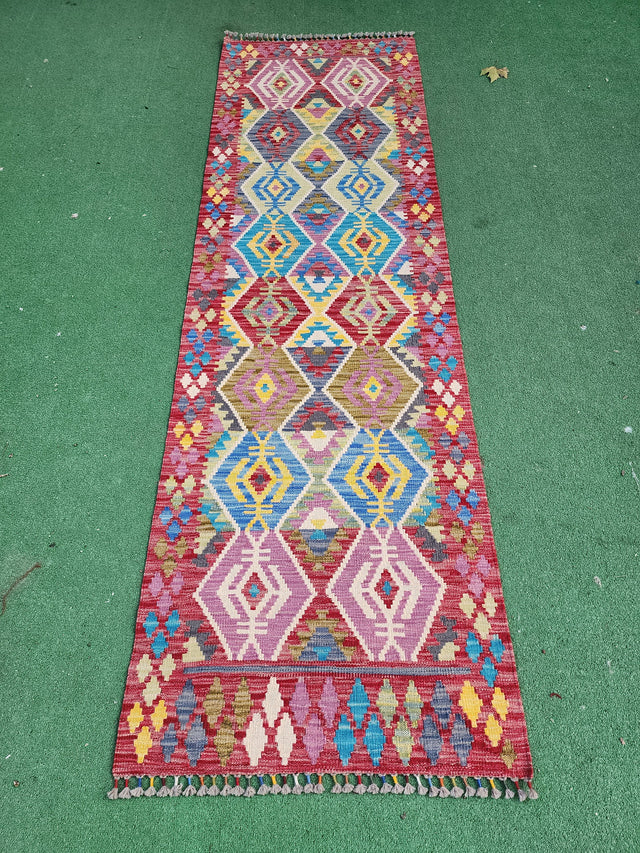
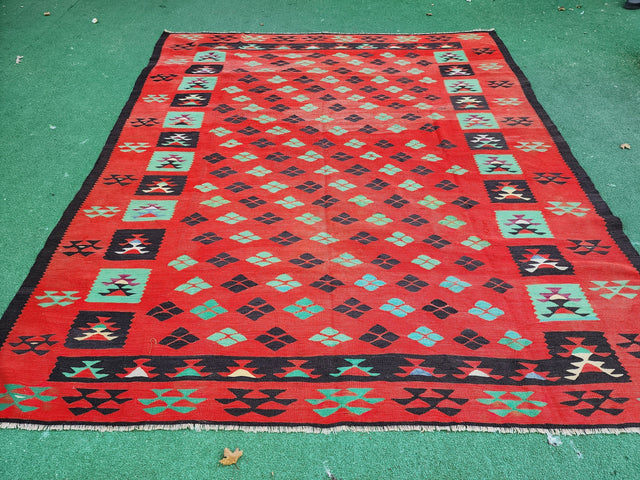
All our pieces ship free worldwide, with import duties pre-paid for the US, UK, EU and Canada, and a 14-day return period. Start with a cover such as Iole, a vintage Turkish pillow cover, and add a second if you want a pair. For a rug to go with it, see our vintage rugs, or the featured pieces below.
A quick buying summary
| Question | Our advice |
|---|---|
| First cover for a sofa | One 45 or 50 cm cover with a colour from the room |
| Bed | Two 45 cm covers plus a plain cushion |
| Armchair | A 40 cm square or a 30 x 50 cm lumbar |
| Insert | 2 to 3 cm larger than the cover, bought separately |
When you are ready to choose, spend time with the photos and read the size. Think about where the cushion will sit, which colour you want to repeat, and whether you prefer pile or flat weave. A single good cover can change a sofa, and a second, in a different size, turns it into a considered arrangement.
Common Mistakes to Avoid
- Buying too many patterns at once. Two or three strong covers are plenty.
- Using an insert that is too small. The cover will look flat at the corners.
- Placing the cushion in strong sun. Direct light can fade even good dyes over time.
- Treating it as a seat. A cover cut from a rug is made to lean against, not to be sat on all day.
- Ignoring the room's tones. Warm reds and golds sit best with warm woods, while blues and greys suit cooler rooms.
Once you have these basics settled, buying becomes straightforward: measure the sofa, decide on a size, pick a colour that already exists in the room, and choose the cover whose pattern sits where you like it. That approach works for a first cushion and for the tenth.
Pieces from our collection
Every piece below is one of a kind and in stock today:
- Iole — Vintage Turkish Pillow Cover
- Manae — Vintage Kilim Pillow Cover
- Pontoporeia — Vintage Kilim Pillow Cover
Frequently asked questions
Are inserts included with a vintage Turkish rug throw pillow?
No. Our covers are sold without inserts, so you can choose down, feather or polyester fill to suit your sofa or bed. We suggest an insert 2 to 3 cm (about 1 inch) larger than the cover, which fills the corners and keeps the front of the rug looking plump rather than flat.
Is each rug pillow cover unique?
Yes. Every cover is cut from a real vintage or antique hand-made rug, so the pattern, the dye shades and the wool texture differ from piece to piece. If you want a matching set, check that the listing is sold as a pair, since two single covers will never be identical.
What size throw pillow works best on a sofa?
For most sofas, 45 x 45 cm (18 in) or 50 x 50 cm (20 in) is the right range. Mix two sizes for a layered look, such as a 50 cm cushion at the back and a 40 cm one in front. A 30 x 50 cm lumbar cover suits armchairs and benches.
Can I remove the cover from the insert?
Yes. Each cover closes with a concealed zipper and has a cotton back, so you can take it off to vacuum the wool, air it or swap the insert. We advise against hot water, bleach and tumble drying, because they can harm old wool and its dyes.
Do you ship rug pillow covers internationally?
Yes. We ship worldwide for free from Istanbul, with import duties pre-paid for the US, UK, EU and Canada. Returns are accepted within 14 days, so you can check how the colour looks in your own room.
Written by the team at Heritage Nomadic Art Gallery in Sultanahmet, Istanbul, the gallery behind TurkishRug.com, where every rug and pillow is chosen, washed and photographed by hand. Last updated November 22, 2026.