Antique Greek Rug from Cappadocia – A Rare Testament to Anatolia’s Multicultural Heritage
Deep in the heart of Central Anatolia lies Cappadocia, a land shaped by volcanic stone, underground cities, rock-carved monasteries, and centuries of intertwined civilizations. Long before modern borders existed, Greeks, Turks, Armenians, and many other communities lived together throughout this mystical region, leaving behind an extraordinary artistic and cultural legacy. Among the most precious survivors of this heritage are the antique rugs woven by the Greek Orthodox communities who once lived in Cappadocia during the Ottoman era.
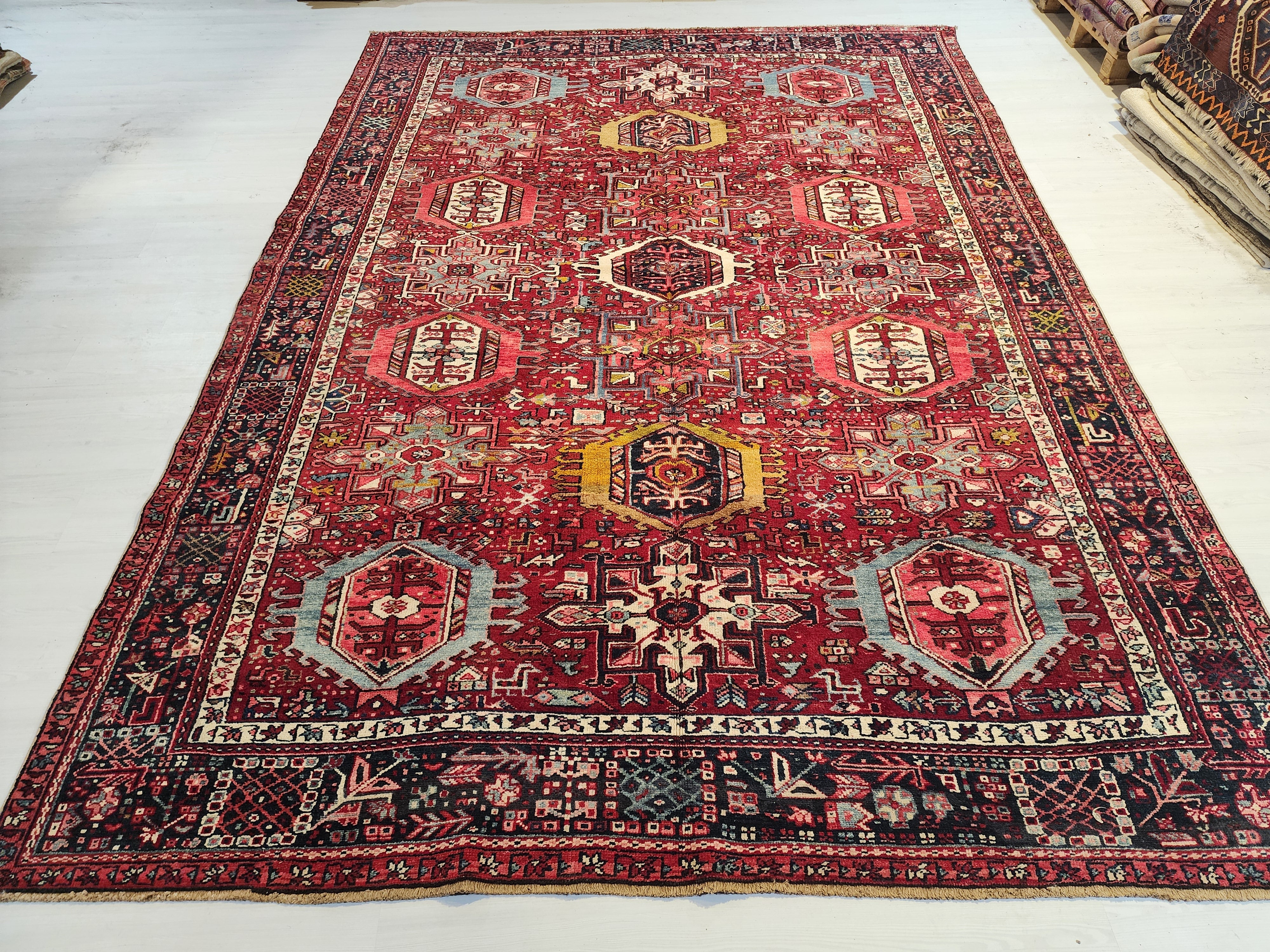
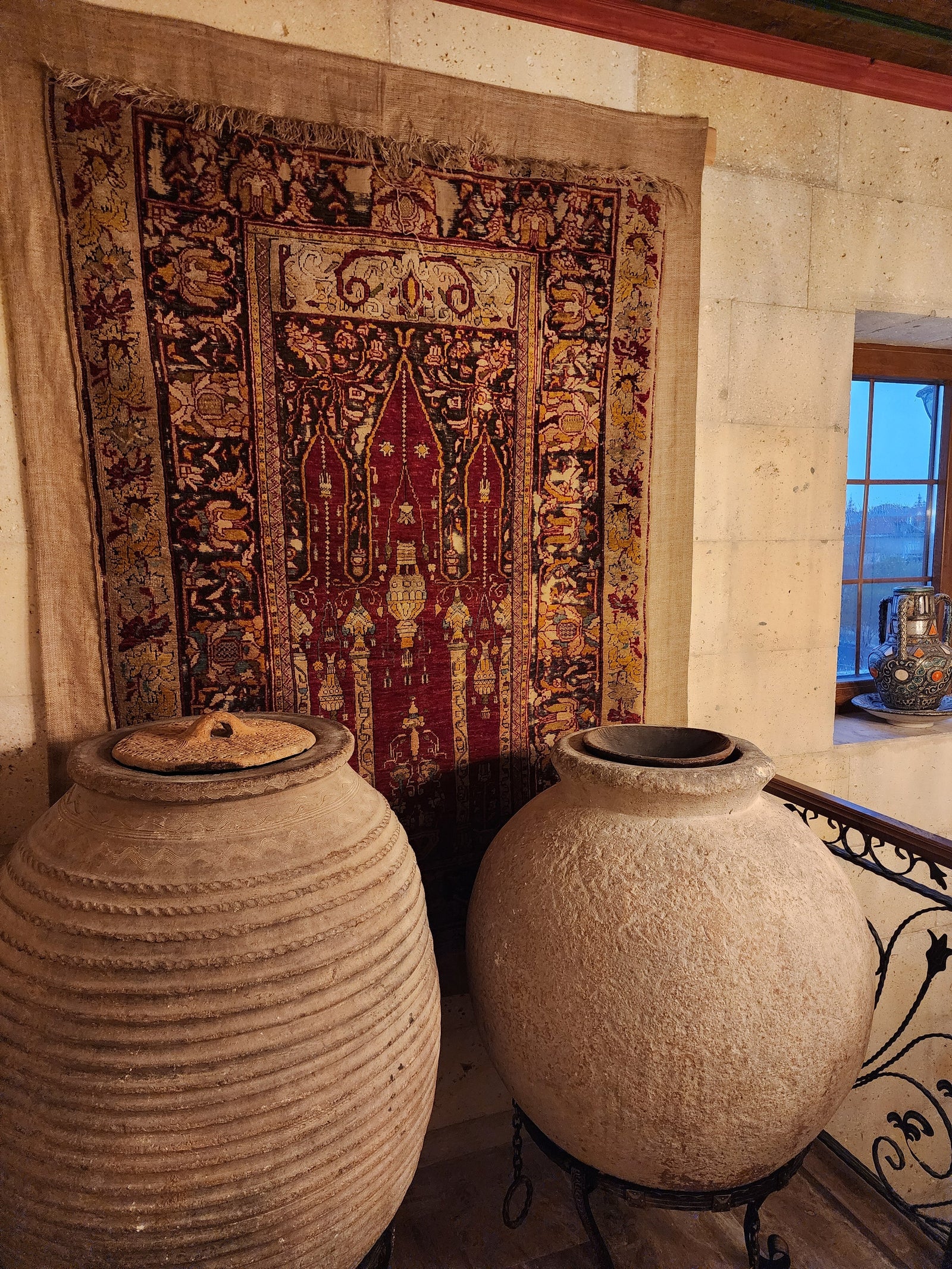
This exceptional antique Greek rug, believed to date back to the 1820s, is more than a decorative textile — it is a woven historical document carrying the spiritual memory of a vanished world.
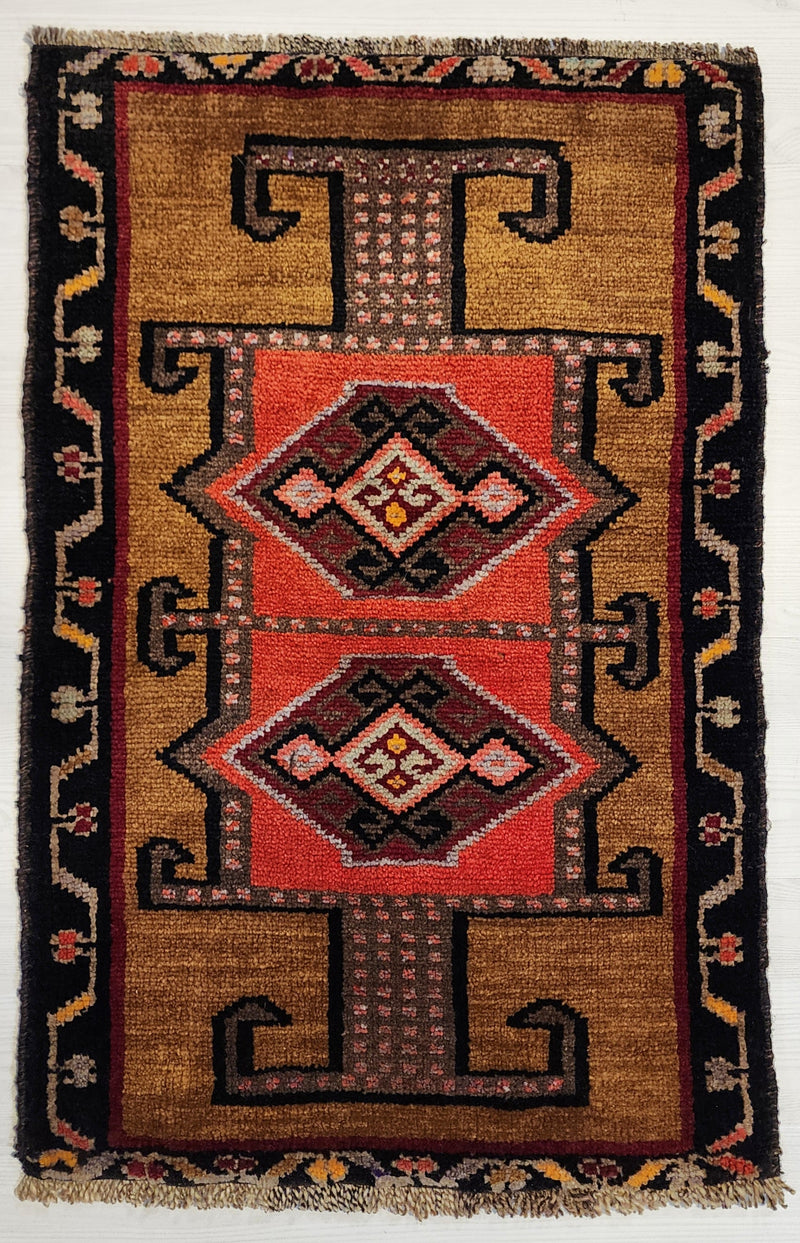
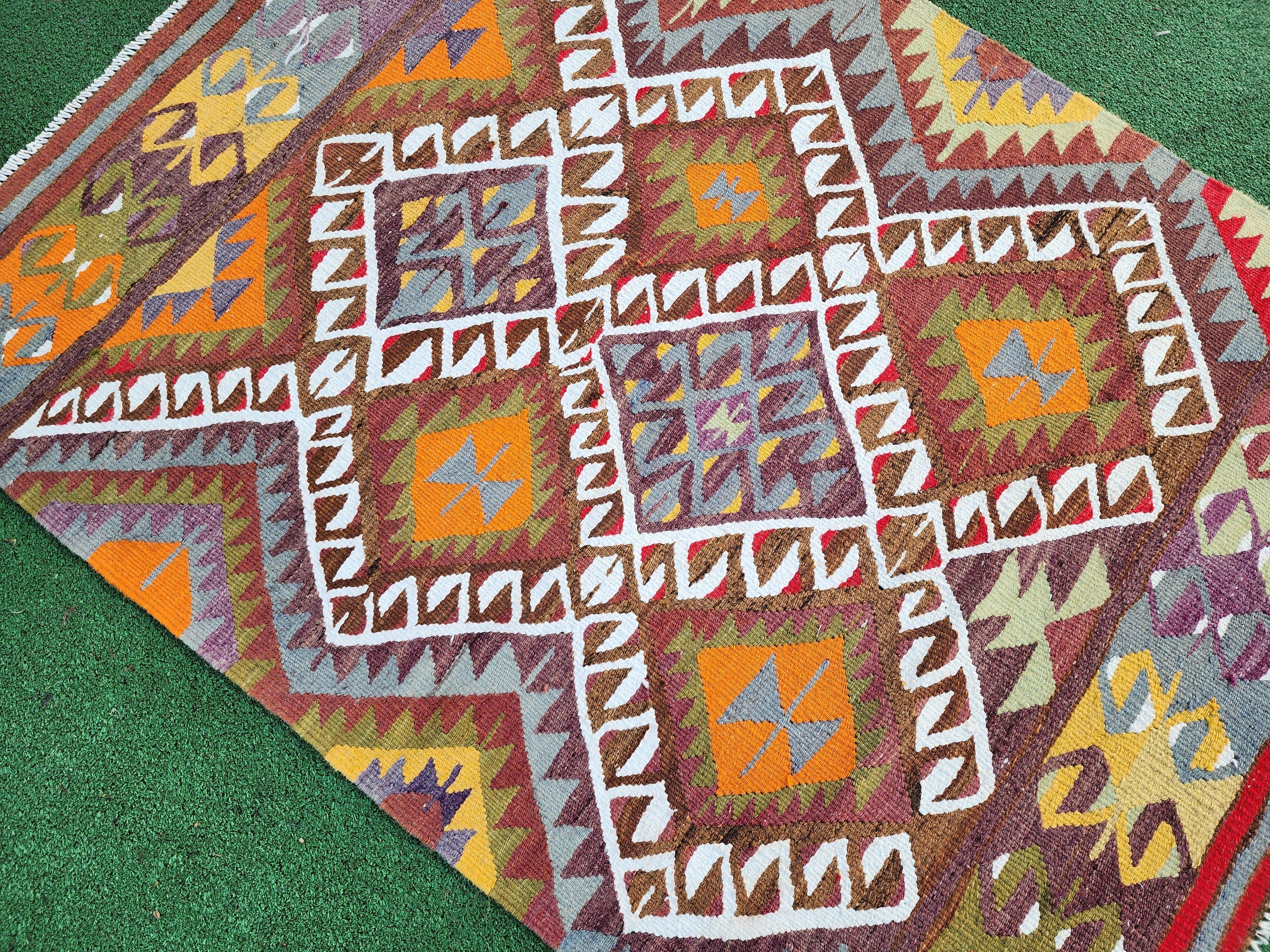
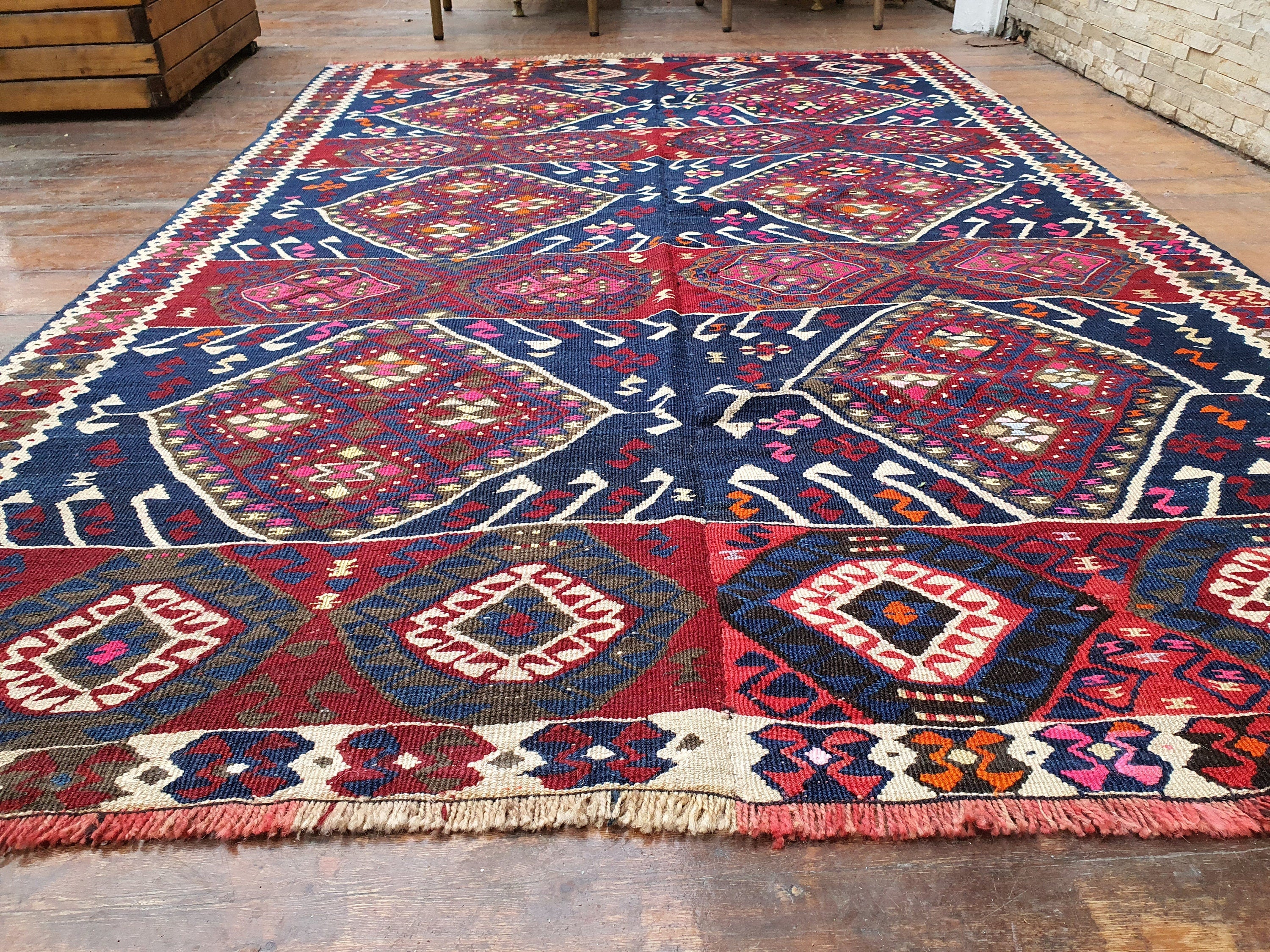
The rug reflects the refined artistic traditions of the Anatolian Greek people who lived around Cappadocia for centuries. Every motif woven into its surface tells a symbolic story inspired by the sacred interiors of Byzantine and Orthodox churches that once stood throughout the region. The elegant columns, hanging chandeliers, architectural forms, and ceremonial compositions visible in the design are deeply connected to the religious life of the Cappadocian Greek communities.
In many churches carved into the volcanic rocks of Cappadocia, magnificent hanging oil lamps and chandeliers illuminated dark stone interiors with a mystical glow. This rug beautifully captures that atmosphere. The central field resembles the spiritual symmetry of church architecture, while the detailed motifs echo ancient sanctuaries where generations gathered for worship, celebration, and daily life.
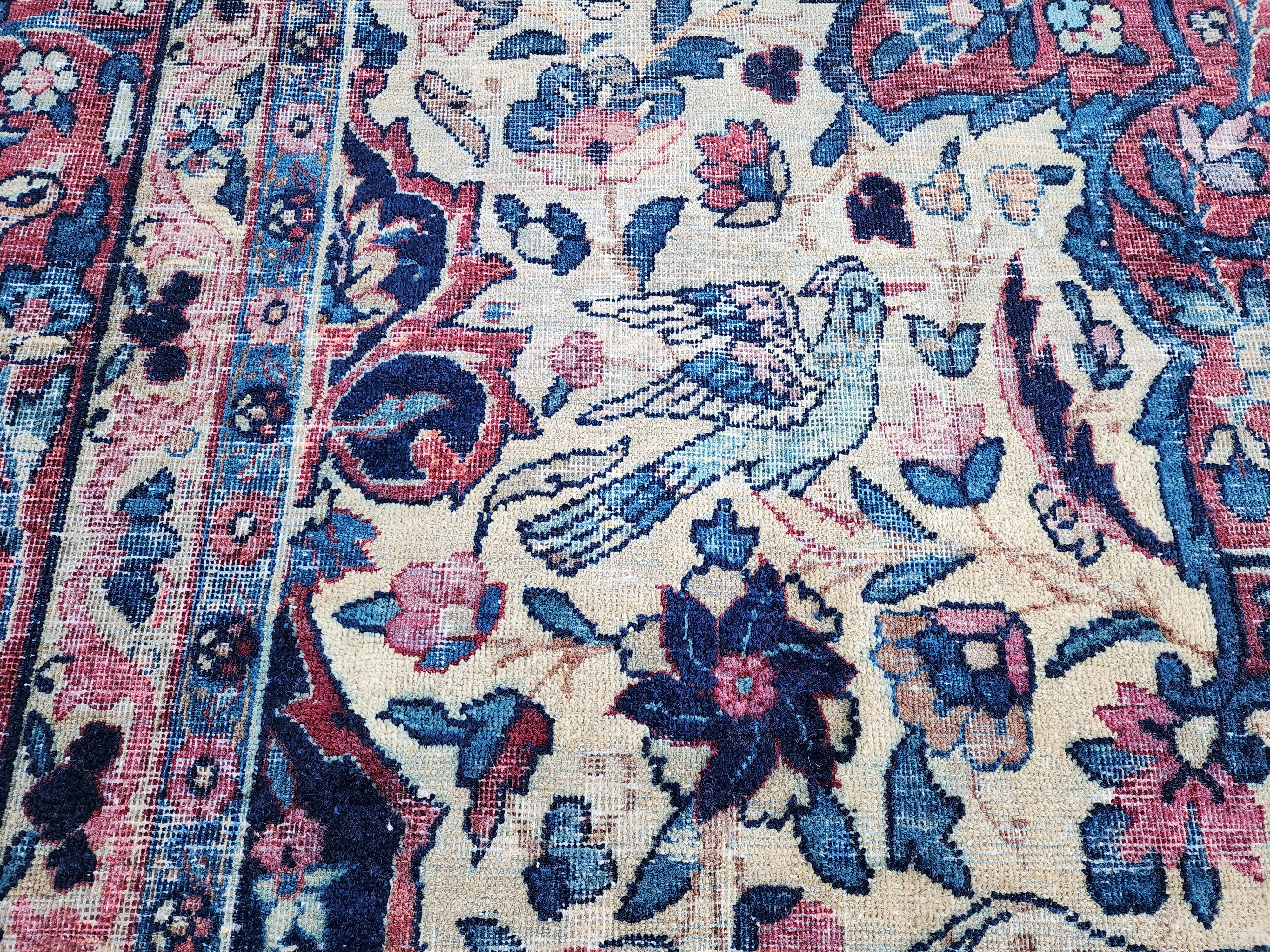
Handwoven entirely from wool and dyed with natural pigments available in Anatolia during the early 19th century, the rug carries the warmth and authenticity that only true antique textiles possess. The soft abrasions, faded tones, and aged texture are not imperfections — they are the visible fingerprints of time itself.
What makes this piece especially remarkable is its cultural significance. After the population exchanges and migrations of the early 20th century, many Greek families left Cappadocia, and countless heirlooms disappeared forever. Very few textiles from this era survived intact. Pieces like this antique rug offer a rare glimpse into the artistic and spiritual world of the Anatolian Greeks who once flourished in the region.
Today, this rug stands as both an artwork and a historical treasure — connecting modern interiors with centuries of Anatolian history, faith, craftsmanship, and cultural coexistence.
Whether displayed on a wall, placed in a collector’s interior, or preserved as a museum-quality textile, this antique Cappadocian Greek rug carries the soul of old Anatolia within every knot.